Smart Glass and Electrochromic Glazing: The Future of Dynamic Windows for Australian Homes and Commercial Buildings
MC
Author
2026-08-14
Published
8 min read
Reading time
The buildings we live and work in have changed dramatically in the last two decades, but the windows in those buildings have largely remained passive — fixed glazing that lets in whatever the sun and weather deliver. That is starting to change. Smart glass, also called dynamic glazing or switchable glazing, can adjust its light transmission, solar heat gain, and even colour on demand or in response to environmental conditions. For Australian buildings facing intense solar loads in summer, heat loss in winter, glare on east and west facades, and increasingly stringent NCC Section J energy targets, smart glass represents a significant opportunity to improve comfort, reduce energy consumption, and meet compliance with less dependence on external shading devices.
This article explains the technology behind smart glass and electrochromic glazing, the practical performance differences between competing technologies, the current cost realities, and the code compliance pathway for installing dynamic glazing in Australian construction. MEICHEN Windows & Doors integrates electrochromic and thermochromic glazing options into its commercial curtain wall and premium residential systems, manufactured under CSI-certified AS2047 quality systems and supported by NATA-accredited test data.
What Is Smart Glass?
Smart glass is an umbrella term covering several distinct technologies that change their optical properties in response to an external stimulus. The most commercially relevant technologies in 2026 are:
- Electrochromic glazing: Changes light transmission when a low-voltage DC current is applied. Tints darken within 5-20 minutes and can hold their state for hours without additional power.
- Thermochromic glazing: Changes light transmission in response to temperature, darkening as the glass heats up. No electrical control is required.
- Photochromic glazing: Changes light transmission in response to UV light, similar to transition eyeglass lenses. Not commonly used in buildings because the response is not user-controllable.
- Suspended Particle Device (SPD) glazing: Uses light-absorbing particles suspended in a fluid between two conductive layers. Switching speed is fast (1-3 seconds) but requires continuous power to maintain the clear state.
- Polymer Dispersed Liquid Crystal (PDLC) glazing: Switches between transparent and opaque for privacy control. Not typically used for solar control because the opaque state still admits significant heat.
For Australian residential and commercial projects, electrochromic glazing is the dominant technology because it provides the best combination of solar control, energy efficiency, aesthetics, and integration with building management systems.
How Electrochromic Glass Works
Electrochromic glass consists of multiple thin layers deposited on a single glass ply. The five-layer structure is:
- Glass substrate: Typically 3-6 mm of clear or Low-E coated glass.
- Transparent conductive layer (TCO): Indium tin oxide (ITO) or fluorine-doped tin oxide, applied to the glass surface. The TCO is electrically conductive but optically transparent.
- Electrochromic layer: Tungsten oxide (WO₃) is the most common electrochromic material. In its oxidised state (no voltage applied), the layer is transparent. When a small voltage is applied, ions from the ion storage layer migrate into the tungsten oxide, reducing it to a blue-grey tinted state.
- Ion conductor (electrolyte): A lithium-based electrolyte that conducts ions between the electrochromic layer and the ion storage layer.
- Ion storage layer: A complementary material (often nickel oxide) that supplies ions during tinting and accepts them during clearing.
The two conductive layers are connected to a low-voltage (typically 3-5 V DC) power supply. Applying voltage of one polarity drives the tinting reaction; reversing the polarity drives the clearing reaction. The power consumption is minimal — typically 1-3 W per square metre during switching, and effectively zero to maintain a steady state.
The colour range of electrochromic glass is most commonly blue-grey or neutral grey, though bronze and other tints are available from some manufacturers. The light transmission range varies from approximately 60% visible light transmission (VLT) in the clear state to 1-5% VLT in the fully tinted state. The dynamic range is the key benefit — the user adjusts the glass to suit the current condition, rather than accepting a fixed compromise.
Performance Benefits of Electrochromic Glazing
Solar Heat Gain Control
The solar heat gain coefficient (SHGC) of electrochromic glass changes with the tint state. A typical configuration might have an SHGC of 0.40 in the clear state and 0.10 in the fully tinted state. This dynamic range allows the glazing to admit solar heat when wanted (winter morning, cool evening) and reject solar heat when unwanted (summer afternoon, west-facing facade).
Real-world energy savings data from Lawrence Berkeley National Laboratory and other research institutions demonstrate 20-30% reductions in cooling energy and 10-20% reductions in lighting energy for electrochromic-equipped buildings compared to fixed Low-E glazing. The combined effect is a 15-25% reduction in total HVAC energy consumption.
Glare Reduction
Glare is a major cause of occupant dissatisfaction in modern commercial buildings. Electrochromic glazing reduces glare dynamically by lowering visible light transmission from 60% to 5% as the sun’s position changes. Unlike internal blinds, electrochromic tinting does not block the view — occupants maintain visual connection with the outdoors while gaining comfort. This is particularly valuable in conference rooms, healthcare patient rooms, and residential living areas where view and natural light are valued.
Daylight Harvesting
Electrochromic systems can be integrated with daylight sensors to automatically adjust tinting in response to available daylight. In a perimeter zone, the electrochromic glass can remain clear when overcast (admitting maximum daylight) and tint automatically when direct sunlight hits the facade. This daylight harvesting strategy reduces the need for artificial lighting and supports NCC Section J compliance for office buildings.
Acoustic and Thermal Performance
The thermal performance of electrochromic glazing is determined by the underlying glass construction. A standard double-glazed electrochromic unit with Low-E coating achieves a U-value of approximately 1.6 W/m²K and SHGC ranging from 0.10 to 0.40. A triple-glazed electrochromic unit can achieve U-values below 1.0 W/m²K with similar dynamic SHGC range.
Acoustic performance depends on glass thickness and interlayer selection. Laminated electrochromic glass (with PVB or acoustic interlayer) achieves Rw ratings of 35-42 dB. MEICHEN integrates electrochromic glazing into its Slim & Silent system to deliver dynamic solar control combined with acoustic performance up to 45 dB.
Smart Glass Cost Considerations
Smart glass is more expensive than fixed glazing, but the price differential has narrowed significantly. Indicative Australian supply prices in 2026:
| Glazing Type | Approx. Cost (AUD/m²) | Notes |
|---|---|---|
| Standard double Low-E | $200-$350 | Baseline reference |
| Triple glazed Low-E | $400-$600 | Premium passive house |
| Electrochromic double glazed | $700-$1,200 | Premium residential, commercial |
| Electrochromic triple glazed | $1,000-$1,600 | Passive house, high-end commercial |
| SPD switchable | $900-$1,500 | Fast switching, requires constant power |
| PDLC privacy | $600-$1,000 | Privacy applications |
The price premium for electrochromic glazing is typically recovered within 8-15 years through reduced HVAC energy costs, reduced lighting costs, and reduced need for external shading devices. In commercial buildings, the productivity benefit of reduced glare is often cited as more valuable than the energy savings alone — research by the World Green Building Council indicates that access to natural light with glare control can improve worker productivity by 5-15%.
Control Systems and Integration
Electrochromic glazing requires a control system to manage tinting state. The control system can be:
- Manual: Wall-mounted switches or remote controls, similar to lighting controls. Suitable for residential applications and small commercial projects.
- Automatic with sensors: Photo sensors measure outdoor illuminance and adjust tinting to maintain a target interior light level. Rain sensors and temperature sensors can also influence the control algorithm.
- Building Management System (BMS) integration: The glazing controller interfaces with the BMS via BACnet, Modbus, KNX, or proprietary protocols. The BMS can schedule tinting states, coordinate with HVAC and lighting systems, and log energy performance data.
- Voice and smart home integration: Major platforms including Google Home, Amazon Alexa, and Apple HomeKit support electrochromic control through manufacturer-supplied gateways or third-party integrations.
MEICHEN’s electrochromic glazing is supplied with a control system that supports all four integration pathways. The controller can be configured as a standalone system for residential projects or as a networked system for commercial installations.
AS2047 and NCC Compliance
Electrochromic glazing is tested to AS2047 for air infiltration, water penetration, and wind load performance in the same way as conventional glazing. The test procedure does not change because the coating is electrically active — the assembly is tested as a complete unit with the electrical connections in place.
For NCC Section J compliance, the energy modelling must account for the dynamic SHGC of the glazing. NatHERS-accredited energy assessors use the average annual SHGC or the seasonally adjusted SHGC depending on the building class and the control algorithm. For commercial buildings, the Green Star and NABERS frameworks recognise dynamic glazing as a positive contributor to energy and comfort performance.
Fire-rated applications are possible with electrochromic glazing when combined with intumescent laminated interlayers. MEICHEN supplies fire-rated electrochromic assemblies tested to AS1530.4 for use in fire-rated boundary walls and stair enclosures.
Applications in Australian Construction
Commercial Offices
Electrochromic glazing is increasingly specified in Australian commercial offices, particularly in premium-grade CBD buildings where tenant expectations include glare-free daylight, energy efficiency, and modern aesthetics. Major projects in Sydney, Melbourne, and Brisbane have integrated electrochromic glazing into facades ranging from 500 m² to over 10,000 m².
Healthcare
Hospitals and aged care facilities benefit from electrochromic glazing because patient comfort is enhanced by natural light without glare. Privacy can be managed through tinting rather than blinds, reducing infection control concerns related to blind dust accumulation.
Residential
Premium residential projects — particularly architect-designed homes, apartments, and units with extensive glazing on east, west, or north facades — use electrochromic glazing to manage solar heat gain and glare without resorting to external screens, shutters, or internal blinds. MEICHEN’s residential electrochromic packages integrate with C-Bus, KNX, and Wi-Fi smart home platforms.
Schools and Universities
Educational facilities are increasingly specifying electrochromic glazing in classrooms and lecture theatres to maintain daylight without glare on interactive displays and whiteboards. The technology is particularly valuable in rooms with east or west solar exposure.
Limitations and Considerations
Electrochromic glazing is not without limitations:
- Switching speed: The 5-20 minute tinting time means the system is best suited to managing slow-changing solar conditions, not rapid glare flashes. For applications requiring faster response, SPD technology is more appropriate.
- Lifespan: Modern electrochromic products are rated for 20-30 years of typical use, with cycle testing confirming performance after 100,000+ switching cycles. The end-of-life failure mode is typically the failure to fully clear rather than failure to tint.
- Haze: Some electrochromic products exhibit haze in the intermediate tinting states, which can be aesthetically undesirable. Higher-quality manufacturers minimise this through improved electrolyte chemistry.
- Power dependency: Electrochromic glass requires electrical wiring to the controller. Failure of the power supply can leave the glass in an unintended state, although most products default to a clear or partially tinted state on power loss.
- Cost recovery period: For residential applications with modest glazing areas, the payback period may exceed 20 years. The decision is often driven by lifestyle and aesthetic considerations rather than energy economics alone.
MEICHEN’s technical team works with architects, builders, and homeowners to evaluate whether electrochromic glazing is appropriate for a specific project, considering facade orientation, glazing area, building use, and occupant expectations.
FAQ: Smart Glass and Electrochromic Glazing
Q1: How much does electrochromic glass cost in Australia?
As of 2026, electrochromic double-glazed units are approximately $700-$1,200 per square metre supply-only, depending on size, configuration, and manufacturer. Triple-glazed electrochromic units range from $1,000 to $1,600 per square metre. Installation, control systems, and electrical infrastructure are additional costs.
Q2: Can electrochromic glass replace blinds?
Electrochromic glass provides effective glare and solar heat control that often replaces the need for blinds. However, complete blackout for sleep or media viewing may still require supplementary blinds or curtains. MEICHEN offers combined systems where electrochromic glass provides daytime control and integrated blinds provide nighttime privacy.
Q3: How is electrochromic glass controlled in a smart home?
Electrochromic glass connects to the home automation system through a low-voltage controller that supports standard protocols including Wi-Fi, Zigbee, Z-Wave, and KNX. Users can set schedules, trigger based on time of day, or automate based on sun position and weather data. Integration with Google Home, Amazon Alexa, and Apple HomeKit is available through manufacturer gateways.
Q4: Is electrochromic glass energy efficient?
Yes. The U-value of a double-glazed electrochromic unit is typically 1.6 W/m²K, comparable to fixed Low-E glazing. The dynamic SHGC provides additional energy benefits by reducing cooling loads in summer. Energy modelling shows 15-25% reductions in total HVAC energy for electrochromic-equipped buildings compared to fixed glazing.
Q5: Can electrochromic glass be used in fire-rated applications?
Yes. Electrochromic coatings can be combined with intumescent laminated glass to produce fire-rated assemblies tested to AS1530.4. The fire-rated assemblies typically achieve -/60/60 or -/120/120 ratings depending on glass thickness and interlayer configuration. MEICHEN supplies tested fire-rated electrochromic assemblies for projects requiring both solar control and fire resistance.
Conclusion
Smart glass and electrochromic glazing represent a significant step forward in building envelope technology, offering dynamic control over light, heat, and glare that fixed glazing cannot match. Australian buildings, with their demanding solar exposure and increasingly stringent NCC Section J requirements, are particularly well-suited to the technology. As prices decline and product availability expands, electrochromic glazing is moving from a premium option to a mainstream specification in commercial offices, healthcare facilities, and architect-designed homes.
MEICHEN Windows & Doors integrates electrochromic, thermochromic, and SPD glazing into its AS2047-certified window and door systems, manufactured under CSI quality assurance and supported by NATA-accredited test data. With detailed control system documentation, on-site technical support, and proven performance in Australian conditions, MEICHEN provides dynamic glazing solutions that meet the comfort, energy, and code compliance requirements of modern Australian construction.
Related Articles
Installation Best Practices for AS4666 Compliance in Australia
AS4666 compliance starts long before the first fixing is driven into the wall. For builders,…
NCC 2025 Glazing and Energy Efficiency: What Australian Homeowners Need to Know
Windows and external glazing are usually the weakest links in a house’s thermal envelope, which…
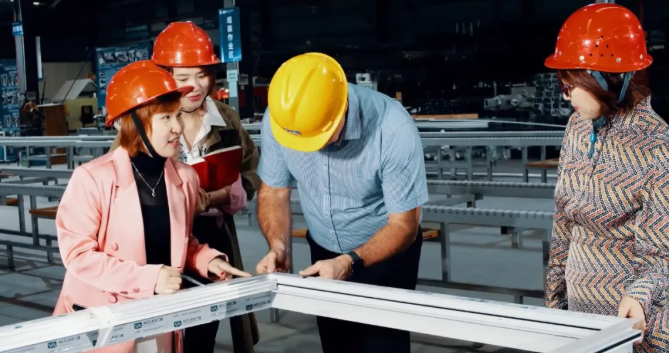
Meichen High Tech Industries Zhaoqing Base: Australian & New Zealand Standard Manufacturing in the Greater Bay Area
In the Zhaoqing High-Tech Zone, a factory with signage entirely in English stands out. This…