Builder’s Checklist Before Ordering Custom Aluminium Windows
admin
Author
2026-07-22
Published
3 min read
Reading time
Quick Answer
Before ordering custom aluminium windows, builders should verify architectural drawings, confirm rough opening dimensions, review glazing requirements, coordinate installation details and ensure the selected window system satisfies the project’s structural and performance requirements. Careful planning helps reduce manufacturing errors, site delays and costly variations.
Custom aluminium windows are manufactured specifically for each project.
Unlike off-the-shelf products, they cannot simply be exchanged if measurements or specifications change after production has begun.
For builders, careful preparation before placing an order can improve:
- Project scheduling
- Installation efficiency
- Cost control
- Site coordination
- Overall construction quality
At MEICHEN Windows & Doors, we work closely with builders throughout the design, manufacturing and delivery process to help minimise errors and support successful project outcomes.
Before preparing a window order, confirm that the construction team is working from the latest approved documentation.
Review:
- Architectural drawings
- Window schedules
- Structural drawings
- Engineering revisions
- Consultant updates
Ordering from outdated drawings can result in incorrect window sizes or specifications.
The rough opening should be measured carefully before final production dimensions are confirmed.
Verify:
- Width
- Height
- Squareness
- Plumb
- Level
Measurements should be taken at multiple points because construction tolerances can vary.
Do not assume every opening is perfectly square.
Window installation details differ depending on the wall system.
Examples include:
- Timber frame
- Steel frame
- Brick veneer
- Double brick
- Concrete construction
- Lightweight cladding systems
The wall type influences:
- Flashing details
- Fixing methods
- Waterproofing
- Installation sequencing
Each opening should match the approved schedule.
Common window types include:
- Awning windows
- Casement windows
- Sliding windows
- Fixed windows
- Double hung windows
Confirm:
- Opening direction
- Handing
- Ventilation requirements
- Safety considerations
Glass selection should be confirmed before production begins.
The specification may include:
- Double glazing
- Low-E glass
- Toughened safety glass
- Laminated safety glass
- Obscure glass
- Acoustic glazing
The final selection should align with the project documentation and applicable Australian Standards.
Different projects require different performance levels.
Confirm requirements for:
- Wind loading
- Water penetration resistance
- Air infiltration
- Energy performance
- Acoustic performance
These requirements should be identified before manufacturing starts.
Frame finishes should match the approved architectural specification.
Review:
- Powder-coated colours
- Surface finish
- Internal and external colour selections
- Finish consistency across the project
Ordering all windows together may help maintain colour consistency for large developments.
Hardware should suit both the design intent and building function.
Review:
- Handles
- Locks
- Hinges
- Friction stays
- Restrictors (where required)
Also confirm any accessibility or security requirements before production.
Custom windows are manufactured specifically for each project.
Builders should coordinate:
- Manufacturing schedule
- Delivery sequence
- Site readiness
- Storage area
- Installation programme
Receiving windows too early may increase the risk of site damage, while late delivery can delay following trades.
Before delivery, verify that:
- Openings are complete.
- Waterproofing is ready.
- Flashings have been coordinated.
- Access equipment is available.
- Installation crews understand the project requirements.
Good preparation improves installation efficiency and helps maintain product performance.
Builders can reduce delays by avoiding these common issues:
- Measuring before structural work is complete.
- Using outdated window schedules.
- Changing specifications after manufacturing begins.
- Forgetting to confirm glazing requirements.
- Overlooking hardware selections.
- Failing to coordinate installation sequencing.
Early planning is generally less costly than making changes later.
Custom window systems should be considered alongside applicable Australian Standards.
AS 2047
AS 2047 specifies performance requirements for external windows and glazed doors, including:
- Structural performance
- Air infiltration
- Water penetration resistance
- Operating force
AS 1288
AS 1288 provides requirements relating to:
- Glass selection
- Safety glazing
- Installation considerations
Builders should ensure glazing specifications remain consistent with project documentation.
AS/NZS 1170 Series
Structural engineers use the AS/NZS 1170 series to determine project wind actions.
Window systems should be specified to satisfy the engineering requirements for the building.
MEICHEN manufactures customised aluminium windows and doors for Australian residential and architectural projects.
Our services include:
- Custom manufacturing
- Technical support
- Project coordination
- Quality-controlled production
- Performance glazing options
- Flexible project scheduling
We work with:
- Builders
- Architects
- Developers
- Residential construction companies
to support efficient project delivery.
When should builders finalise window sizes?
Window dimensions should be confirmed only after the relevant structural openings and project documentation have been verified.
Can specifications be changed after production starts?
Changes may affect manufacturing schedules and project delivery. Final specifications should therefore be confirmed before production begins.
Why is the rough opening important?
The rough opening determines whether the manufactured window can be installed correctly while allowing appropriate installation tolerances and weatherproofing.
Should builders coordinate with manufacturers during design?
Early coordination often improves constructability, reduces variations and helps identify practical manufacturing considerations before production.
Why choose custom aluminium windows?
Custom manufacturing allows window systems to match the project’s architectural design, structural openings and performance requirements instead of relying on standard sizes.
Ordering custom aluminium windows is a critical milestone in any residential construction project.
By confirming drawings, dimensions, glazing, finishes, hardware and performance requirements before manufacturing begins, builders can reduce delays, improve installation efficiency and minimise unnecessary variations.
MEICHEN Windows & Doors partners with Australian builders to manufacture customised aluminium window systems that support efficient construction, reliable performance and high-quality residential outcomes.
Related Articles
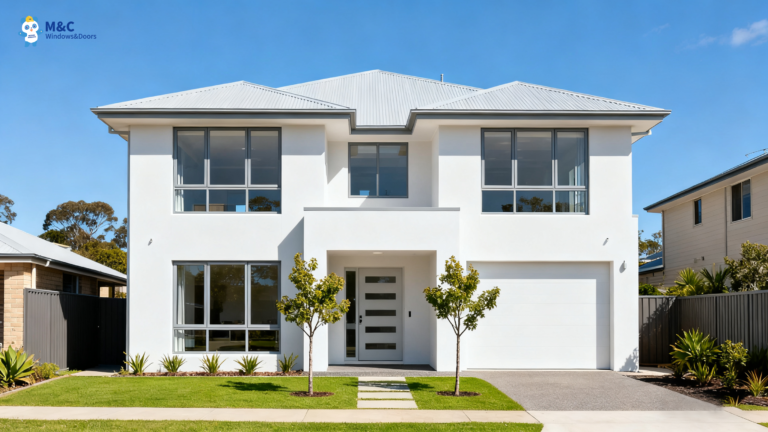
Sydney Builders Must-Read: Which Chinese AS2047-Certified Black-Frame Aluminum Window Manufacturers Are Worth Recommending?
In Sydney’s residential and commercial construction market, black-frame aluminum windows have become a signature of…
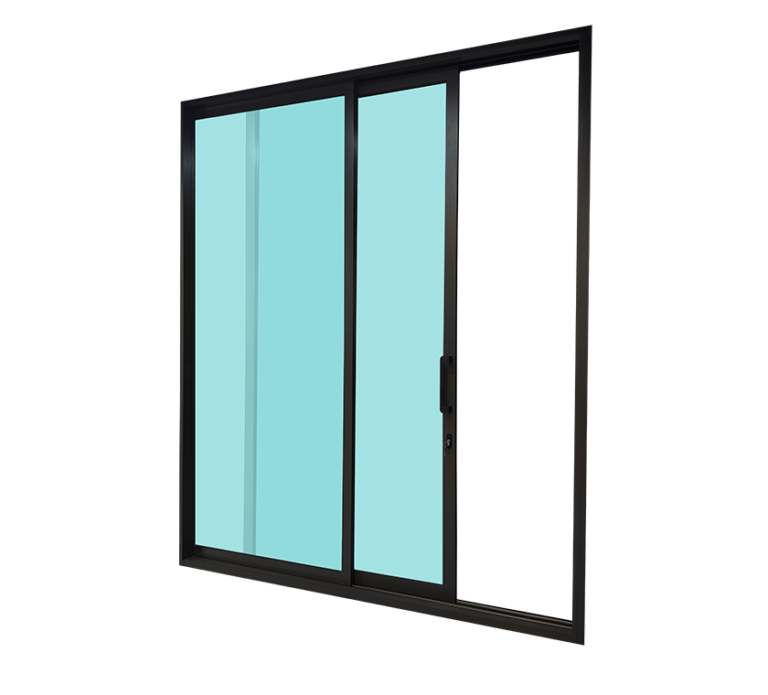
Finding Aluminium Suppliers Near Me: Top Tips for Homeowners in Australia
When you’re considering upgrading your home with aluminium sliding doors or installing double glazed sliding…
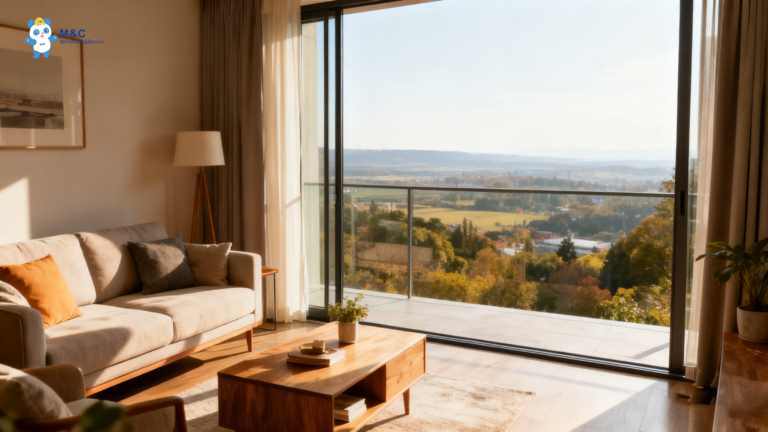
From China Source Factory to Adelaide Home|Is It Reliable to Order AS2047-Certified Windows for Your Australian Project?
For homeowners, builders, and developers in Adelaide, choosing the right windows and doors is no…