Pros and Cons of Casement Windows: Are They Right for Australian Homes?
admin
Author
2026-07-12
Published
3 min read
Reading time
Casement windows offer excellent ventilation, large openings, modern appearance and strong energy efficiency potential. However, they require external clearance to open, may have higher costs than some window types and need careful consideration for certain locations. For many Australian homes, aluminium casement windows are a practical and stylish solution when correctly specified.
Introduction
Choosing new windows involves balancing:
- Design
- Performance
- Cost
- Maintenance
- Lifestyle needs
Casement windows are one of the most popular opening window styles because they provide:
- Maximum airflow
- Large glass areas
- Contemporary appearance
However, like any window system, they have both advantages and limitations.
This guide explains the key pros and cons of casement windows for Australian homes.
What Are Casement Windows?
Casement windows are windows that:
- Are hinged on one side
- Open outward
- Use a handle or crank mechanism
Unlike sliding windows, they create a wider opening area.
Advantages of Casement Windows
1. Excellent Ventilation
One of the biggest benefits of casement windows is airflow.
Because the entire sash opens outward, they allow:
- More fresh air
- Better circulation
- Improved ventilation
This makes them popular for:
- Bedrooms
- Living areas
- Home offices
2. Larger Opening Area
Casement windows generally open wider than many sliding window designs.
Benefits:
- Increased airflow
- Better connection to outdoors
- Easier emergency access where appropriate
3. Improved Energy Efficiency Potential
When closed, casement windows can create a strong seal between:
- Window sash
- Frame
This helps improve:
- Indoor comfort
- Temperature control
Performance depends on:
- Aluminium frame design
- Glass selection
- Installation quality
4. Modern Architectural Appearance
Casement windows are popular in contemporary homes because they provide:
- Clean lines
- Large glass areas
- Minimal visual obstruction
They work well with:
- Modern facades
- Luxury residences
- Architectural designs
5. Flexible Glass Options
Casement windows can be customised with:
Double Glazing
Benefits:
- Better insulation
- Improved comfort
Low-E Glass
Benefits:
- Solar heat control
- Energy efficiency
Laminated Glass
Benefits:
- Safety
- Acoustic performance
6. Suitable for Different Home Styles
Casement windows can be used in:
- New homes
- Renovations
- Coastal properties
- Luxury residences
They suit both:
- Contemporary designs
- Classic residential styles
7. Easy Operation
Modern casement windows use:
- Quality handles
- Smooth hardware
- Reliable opening systems
They are generally simple to operate.
Disadvantages of Casement Windows
1. Require External Opening Space
Because casement windows open outward, they need clearance.
Consider:
- Walkways
- Balconies
- Plants
- External structures
They may not be suitable where outside space is restricted.
2. Higher Cost Compared With Some Window Types
Casement windows may cost more than basic sliding windows because they often include:
- More hardware components
- Hinged mechanisms
- Advanced sealing systems
The final cost depends on:
- Size
- Aluminium system
- Glass specification
- Customisation
3. Hardware Requires Maintenance
Moving parts require occasional checks.
Maintenance includes:
- Checking hinges
- Cleaning seals
- Adjusting hardware
Regular maintenance helps extend service life.
4. Large Openings Require Careful Design
Large casement windows need consideration of:
- Glass weight
- Wind exposure
- Hardware capacity
Professional design is important for oversized applications.
5. Wind Conditions May Affect Operation
In areas with strong winds, outward-opening windows require careful selection.
Consider:
- Building location
- Window size
- Performance requirements
Casement Windows Pros and Cons Summary
| Advantages | Disadvantages |
|---|---|
| Excellent ventilation | Requires outside clearance |
| Large opening area | May cost more |
| Modern appearance | Hardware maintenance needed |
| Good energy performance potential | Needs careful sizing |
| Flexible glass options | Not ideal for every location |
Are Casement Windows Good for Australian Homes?
For many Australian homes, yes.
They are particularly suitable for:
Hot Climate Areas
Benefits:
- Improved airflow
- Natural ventilation
Coastal Homes
Benefits:
- Better views
- Modern appearance
Requires:
- Suitable aluminium finish
- Correct glass selection
Luxury Homes
Benefits:
- Large glazing
- Architectural design flexibility
Casement Windows and Energy Efficiency
A high-performance casement window system depends on:
Frame
Consider:
- Aluminium profile quality
- Thermal break options
Glass
Consider:
- Double glazing
- Low-E coatings
Installation
Consider:
- Correct sealing
- Professional fitting
Casement Windows and Australian Standards
Australian projects commonly consider:
AS2047
Related to:
- Window performance
- Air infiltration
- Water resistance
- Structural performance
AS1288
Related to:
- Glass safety requirements
The correct specification depends on:
- Window location
- Size
- Building requirements
Are Casement Windows Worth It?
Casement windows are often worth considering when you value:
✔ Better ventilation
✔ Modern appearance
✔ Large openings
✔ Premium residential design
They may not be the best option when:
✘ External space is limited
✘ A lower-cost solution is required
✘ Sliding operation is preferred
MEICHEN Aluminium Casement Window Solutions
MEICHEN Windows & Doors provides aluminium casement window systems designed for Australian residential and architectural projects.
Features include:
- Custom sizes
- Modern aluminium profiles
- Performance glazing options
- Project-based solutions
Suitable for:
- New homes
- Luxury residences
- Builder developments
- Renovation projects
Frequently Asked Questions
What are the disadvantages of casement windows?
The main disadvantages are external opening requirements, potential higher costs and the need for hardware maintenance.
Are casement windows energy efficient?
Yes. With suitable glass and quality installation, casement windows can provide excellent energy performance.
Are casement windows better than sliding windows?
Casement windows usually provide better ventilation, while sliding windows may be better where space is limited.
Do casement windows require more maintenance?
They require some maintenance for hinges and hardware, but aluminium frames are generally low maintenance.
Are casement windows suitable for Australian weather?
Yes, when correctly designed according to location, glass requirements and performance standards.
Related Articles
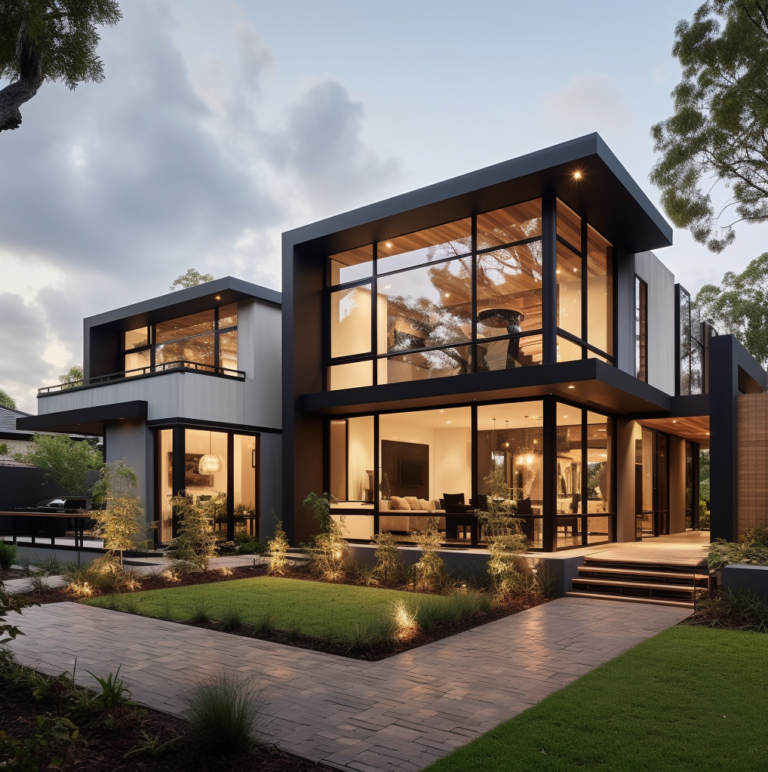
Enhance Your Home’s Aesthetic with Trend Aluminium Windows
Aluminium windows have become a mainstay in modern Australian homes, offering sleek designs, durability, and…
Choosing the Right Aluminium Sliding Doors for Luxury Homes in Australia
In high-end Australian residential design, sliding doors are no longer treated as a purely functional…
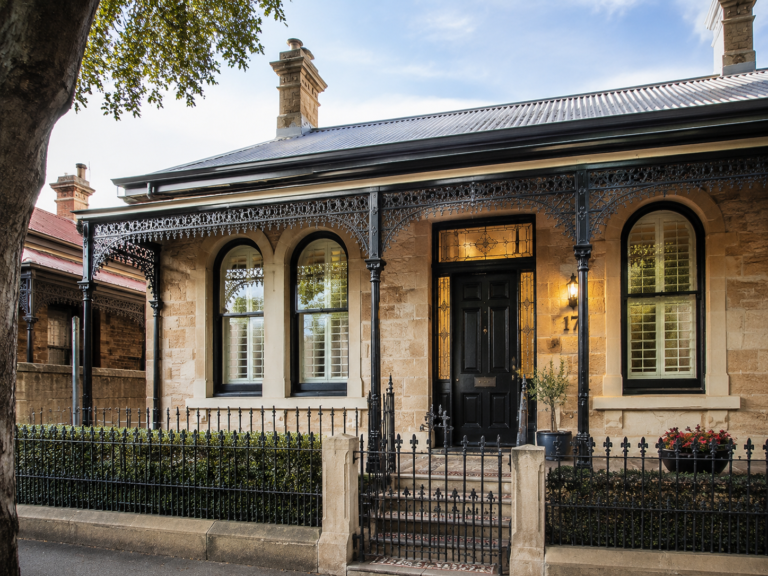
How Modern Building Materials Can Protect Heritage Home Character
Australia’s heritage homes are treasured for their timeless architecture, handcrafted details and historical significance. From…