Energy Efficient Windows Sydney: How Thermal Break Systems Cut Power Bills
MC
Author
2026-09-17
Published
10 min read
Reading time
Sydney’s climate is a double-edged sword. Summer brings long, hot, humid days that keep air conditioners working hard, while winter arrives with crisp, cool mornings that quietly push heating costs up. For homeowners and builders, one of the fastest and most underused ways to fix both problems sits on the walls of their house: the windows.
Across Greater Sydney, searches for energy efficient windows Sydney homeowners need have grown steadily, driven by rising electricity prices and a tightening building code. In older Australian homes, windows and doors are commonly cited as responsible for up to 40% of a home’s heat loss, which makes glazing one of the highest-impact upgrades available to a homeowner.
The benchmark solution is a thermal break aluminium window system paired with double or triple low-E glazing. In this guide, we’ll explain exactly how thermal break windows work, which performance metrics matter, and give you a step-by-step process to improve your home’s energy efficiency — including what to check for when comparing systems, the Australian standards to verify, and how to select the right specification for your Sydney home.
What Are Thermal Break Windows?
A thermal break window is an aluminium window system in which the frame profile is divided by a non-conductive barrier — typically a polyamide (nylon) insert — that physically separates the exterior aluminium from the interior aluminium. That “break” interrupts the path of heat travelling through the frame, which is the single biggest weakness of standard aluminium windows.
How a Thermal Break Works
Aluminium is an excellent conductor of heat, with a thermal conductivity of roughly 205 watts per metre-kelvin (W/m·K) — thousands of times more conductive than still air. In a conventional (non-thermal-break) aluminium window, heat flows freely from the warm side of the frame to the cold side, whether that means losing indoor warmth on a winter day or gaining outdoor heat on a summer day.
A thermal break interrupts that path. A polyamide barrier has a thermal conductivity several hundred times lower than aluminium, so heat transfer through the frame drops dramatically. The result is a window that keeps winter heat in and summer heat out, year after year, without giving up aluminium’s strength, slim profiles, or low maintenance.
Inside a quality thermal break profile, the barrier spans the full depth of the frame and is bonded to both aluminium sub-profiles during manufacturing. High-performance systems go further, using multi-chamber profiles with several air pockets separated by the barrier to slow heat transfer even more. Two properties define how effective a break is:
- Barrier width and material. Polyamide 66 (PA66) barriers are the industry standard for high-performance systems, and wider multi-chamber barriers outperform narrow single ones.
- Profile chambering. Multiple internal air pockets in the extruded profile reduce both conduction and convection inside the frame itself.
Equally important: the frame is only part of the system. Double or triple low-E glazing with an argon-filled cavity is what delivers the largest overall U-value improvement. Frame and glass together make the window — one without the other delivers only part of the benefit.
Why Energy Efficiency Matters in Australian Homes
Upgrading windows is not just about comfort. It is one of the few home improvements that simultaneously lowers running costs, improves durability, and adds property value.
Heating and cooling costs. Space heating and cooling is one of the largest end uses of residential energy in Australia. Every winter, heat lost through under-insulated windows is paid for in gas or electricity; every summer, heat gained through the same windows is paid for in air conditioning. Reducing both flows directly reduces the bill.
The building code. The National Construction Code (NCC) — the Building Code of Australia, Volume Two — sets minimum energy-efficiency requirements for housing through Section J, including requirements for window energy performance based on climate zone. New thermal break systems with low-E glazing are the practical way to meet, and beat, those minimums.
Health and durability. Cold window surfaces in winter promote condensation and mould, particularly on interior glass and frame edges. By keeping the internal frame and glass surface warm, thermal break windows reduce condensation and the mould risk that Sydney’s humidity makes so common.
Resale value. Energy performance is increasingly a purchase factor. A home with documented high-performance glazing is easier to sell and can command a premium over equivalent stock.
The Key Metrics: How to Compare Energy Efficient Windows
When comparing quotes for energy efficient windows, four numbers separate marketing from engineering.
U-value (W/m²K)
The U-value measures how much heat a window transfers per square metre for each degree of temperature difference. Lower is better. Typical whole-window values (frame plus glazing) look like this:
| Glazing configuration | Frame type | Typical whole-window U-value |
|---|---|---|
| Single glazing (6mm) | Standard aluminium | ≈ 2.8 – 3.1 W/m²K |
| Double glazing (10mm) | Standard aluminium | ≈ 2.0 – 2.5 W/m²K |
| Double glazing, low-E, argon | Thermal break | ≈ 1.4 – 1.8 W/m²K |
| Triple glazing, low-E, argon | Thermal break | ≈ 1.0 – 1.3 W/m²K |
Notice the interaction: adding a thermal break frame to double glazing drops the whole-window U-value roughly in half compared with single glazing in standard aluminium.
Solar Heat Gain Coefficient (SHGC)
SHGC (0 to 1) measures how much solar radiation passes through a window. In Sydney’s hot summers, a low-SHGC low-E coating blocks radiant heat while keeping visible light; in milder orientations, a moderate SHGC allows beneficial winter sun to warm the interior. Choose the coating for orientation: low SHGC for west and north elevations, moderate SHGC for south.
Air Tightness
Even a perfect glazing unit will leak heat if air infiltrates around the frame. High-performance systems achieve tightness through multi-point locking and continuous weather seals, and quality is verified by testing to AS 4284 (Performance of windows and external doors).
Glazing and Low-E Coatings
- Double glazing: two panes of glass with an argon-filled cavity — the standard choice for most Sydney applications.
- Triple glazing: three panes and two cavities — for the highest performance, large glass walls, or acoustically critical sites.
- Low-E coating: a micro-thin metallic layer that reflects infrared heat while passing visible light, available in low, mid, and high SHGC variants.
Checklist: ask for a tested U-value and SHGC for the whole window (frame plus glass), not just the glass unit. That is the number that will actually appear in your home’s thermal performance.
How Thermal Break Windows Cut Energy Costs
In winter: the frame stops conducting indoor heat to the outside, and the double glazing behind it keeps the glass itself insulating. The combined effect is a lower heating load and a smaller, faster-recovering thermal envelope.
In summer: the thermal break frame keeps interior frame surfaces cooler, and low-E glazing with a low SHGC blocks radiant heat before it enters. Less heat gain means fewer air conditioning hours — a meaningful difference in Sydney’s western suburbs, where summer heat is most intense.
Condensation control: a warmer interior glass surface stays above its dew point more often, reducing the condensation that drives mould growth and extra dehumidification energy in a humid climate.
Acoustic comfort (a bonus): the same multi-chamber frame and double glazing that improve thermal performance typically reduce outdoor noise by an estimated 20–35 dB — a valuable co-benefit on busy streets and near motorways.
The combined effect of upgrading from single glazing in standard aluminium to double glazing in a thermal break frame is commonly estimated at 10–30% lower heating and cooling energy use in typical Australian homes, with the greatest savings where glazing areas are large and orientations are north or west.
7 Steps to Improve Home Energy Efficiency with Thermal Break Windows
- Identify your weakest glazing. Walk the house and note single-glazed windows, drafty frames, and glass surfaces that feel cold in winter or hot in summer. Large north- and west-facing elevations usually yield the biggest savings first.
- Match glazing to orientation. For north and west elevations, specify low-E double glazing with a low-to-mid SHGC, and consider triple glazing for large glass walls. East elevations work well with standard double low-E. South elevations can use a moderate SHGC to capture passive solar warmth.
- Select the right opening type for each function. Fixed windows deliver the best performance per dollar. Tilt and turn or double-hung openings give top-sealed ventilation. Sliding doors and bi-fold doors suit entertaining and indoor-outdoor flow. A high-performance specification mixes opening types by priority.
- Prioritise the frame as much as the glass. A thermal break profile with a multi-chamber barrier, multi-point locking, and continuous weather sealing protects the investment in the glazing. Verify that the frame system is certified to AS 2047 and performance-tested to AS 4284.
- Verify the compliance paperwork. Request Australian certifications: AS 2047 (Windows and doors for buildings), AS 4284 (Performance of windows and external doors), AS 1288 (Glazing in buildings), and AS 2208 (Safety glazing in buildings) for glazing. For the installation itself, the work should follow AS 4666 (Installation of windows, doors and glazing in and for buildings).
- Install professionally. A window is only as energy efficient as its installation. Gaps, unsealed perimeter joints, and poor weather sealing destroy performance. Certified installers following AS 4666 ensure the tested performance is preserved on site.
- Maintain the system. Wash the frames annually, inspect weather seals for cracking, and keep hardware lubricated. Ten minutes a year keeps the air and water seals working — and protects the energy performance you paid for.
Choosing Energy Efficient Windows Sydney: Local Considerations
This is why demand for energy efficient windows Sydney homes actually need has grown faster than for almost any other building product. Sydney’s microclimates vary more than most people realise, and the right specification depends on where in the city you live:
- Coastal Sydney. Salt-laden sea air demands corrosion-resistant hardware and a durable powder coat. Sea breezes help in summer, but coastal sites also face high wind loads — look for frames with tested wind pressure resistance.
- Western Sydney. Suburbs such as Parramatta, Blacktown, and Penrith regularly run several degrees hotter than the coast in peak summer — the so-called west-side heat island. Low-SHGC low-E glazing on west-facing elevations is the single most effective upgrade here.
- High-rise apartments. Wind loads and rain-driven infiltration are higher at altitude. High-performance frames with tested air tightness and water tightness (the MC ultra-slim coastal range, for example, is tested to 960Pa water tightness under AS 4284) matter more at height.
- Heritage and weatherboard areas. In older Sydney homes, replacing single-glazed timber or aluminium windows with slim-profile thermal break systems preserves architectural character while delivering modern performance.
- NCC climate zone. Greater Sydney sits in the NCC’s milder climate classifications, and Section J requirements apply to new builds and many renovations. Exceeding the minimum is where the real savings come from.
The practical takeaway: when comparing energy efficient windows, Sydney buyers should ask for the whole-window U-value, the SHGC, AS 4284 test results, and written warranties — not just the frame series name.
A Quick Checklist Before You Buy
- Tested whole-window U-value (frame plus glazing), not just the glass unit
- Low-E coating specified with an SHGC appropriate to each orientation
- A genuine polyamide thermal break in the frame — not a painted aluminium “look-alike” profile
- Product certified to AS 2047 and performance-tested to AS 4284
- Safety glazing to AS 2208 where required (bathrooms, doors, low-height glazing)
- Multi-point locking hardware for airtight sealing
- Continuous weather seals and a stated water tightness rating
- Written product and installation warranties
- Professional installation to AS 4666
- Local support — spare parts, hardware, and service available in Sydney
The MC Windows Thermal Break Range
MC Windows (Meichen International Windows & Doors) has supplied high-performance window and door systems to the Australian and New Zealand market since 2017, backed by nearly two decades of engineering expertise and a 20,000 m² manufacturing facility. For Sydney homeowners, the range worth noting for energy efficiency includes:
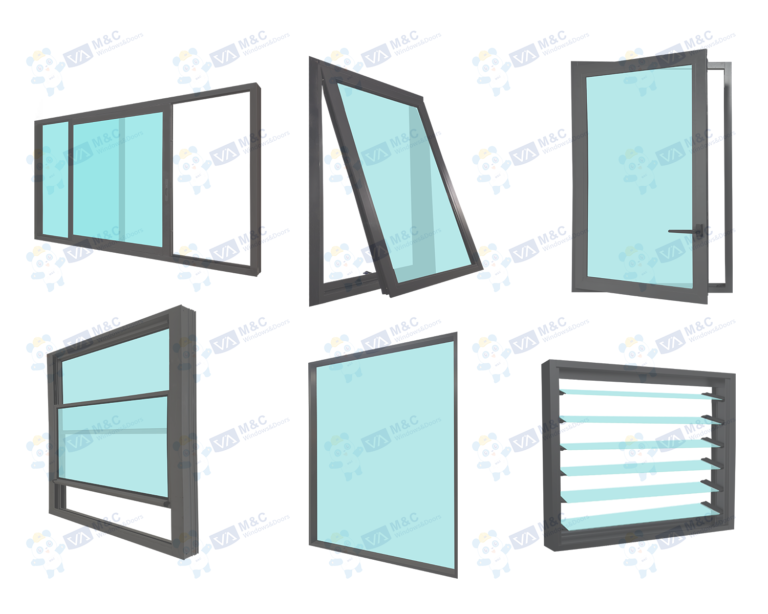
- MC100 Series thermal break windows — available as awning, fixed, tilt and turn, and double hung, the MC100 is the all-round thermal break system, balancing slim aesthetics with tested insulation performance.
- MC140 thermal break sliding door — a deeper thermal break profile for sliding patio doors, which are often the single largest heat-loss surface in a home.
- MA73 bi-fold door (no mullion) — a thermal break bi-fold that opens indoor-outdoor living space without giving up insulation.
- SLMA100-20 slim sliding window and SD205-AS960 ultra-slim sliding/stacker door — ultra-slim systems tested to 960Pa water tightness under AS 4284, aimed at modern villas and apartments where frame width is a design priority.
Forty-three product series carry Australian certification to AS 2047, AS 4284, and AS 1288, with installation to AS 4666 and safety glazing to AS 2208, and the company is actively pursuing CodeMark certification. The supply chain matters too: extrusions from AAG (China’s largest aluminium profile production base, 37 years of experience), glass from CSG (China Southern Glass, 42 years, fully automated lines), and hardware engineered specifically for Australian and New Zealand market requirements. For Sydney projects, MC Windows works through local partnerships for supply, support, and installation coordination. You can explore the full thermal break range and request a quote at mcwindow.com.au.
The Payback: Is Upgrading Your Windows Worth It?
Thermal break windows are a capital investment, but the maths increasingly favours them:
- Lower running costs. A 10–30% reduction in heating and cooling energy, applied to typical Sydney household utility spend, translates into real annual savings — and those savings repeat every year for the 25–30+ year life of the product.
- Comfort and health. Fewer drafts, less condensation, and quieter interiors — benefits that never appear on a bill but drive daily comfort.
- Property value. Buyers now actively ask about energy performance. Documented high-performance glazing differentiates a home in a competitive market.
- Timing. Upgrading during a re-roof, renovation, or addition lets you bundle installation and save on mobilisation. Many Sydney homeowners upgrade west- and north-facing elevations first, then complete the house in later budget rounds.
The rule of thumb: the larger the glazed area and the harsher the orientation, the faster the payback.
Frequently Asked Questions
What exactly is a thermal break in a window?
A thermal break is a non-conductive polyamide barrier built into an aluminium frame that separates the exterior aluminium from the interior aluminium, interrupting the path of heat transfer. It is what makes an aluminium window genuinely energy efficient without sacrificing the strength or slim profile aluminium is known for.
Are thermal break windows worth it in Sydney’s climate?
Yes. Sydney combines hot, humid summers with cool winters, which means a home battles heat gain and heat loss in opposite seasons. A thermal break frame with low-E double glazing addresses both at once, typically reducing heating and cooling energy use by 10–30% in older homes.
What U-value should I aim for?
For most Sydney homes, a whole-window U-value of 1.5 W/m²K or lower (double low-E glazing with argon in a thermal break frame) is a strong target. For passive-solar designs or large glass walls, 1.3 W/m²K or lower is achievable with triple glazing.
Double or triple glazing — which do I need?
Double low-E glazing with an argon fill is the right answer for the majority of Sydney applications. Triple glazing adds a third pane and a second cavity — worth it for large north- or west-facing glass walls, high-performance homes, or sites where noise reduction is a priority.
Do thermal break windows reduce noise?
They do. The multi-chamber frame, double glazing, and airtight seals typically cut outdoor noise by an estimated 20–35 dB, making thermal break systems a strong choice for streets with traffic or near motorways.
Can I install thermal break windows myself?
It is not recommended. Installation should follow AS 4666 by a qualified installer. Poor installation — unsealed perimeters, gaps, misalignment — destroys the tested performance of even the best window system, and can void the product warranty.
Standards Referenced in This Guide
- AS 2047 — Windows and doors for buildings
- AS 4284 — Performance of windows and external doors
- AS 1288 — Glazing in buildings
- AS 2208 — Safety glazing in buildings
- AS 4666 — Installation of windows, doors and glazing in and for buildings
- NCC Volume Two (Building Code of Australia), Section J — Energy efficiency
Conclusion: Smarter Glazing, Lower Bills, Better Comfort
Improving home energy efficiency does not have to be a decade-long project. Replacing single-glazed, non-thermal-break windows with thermal break aluminium systems and low-E double or triple glazing is one of the highest-impact upgrades a Sydney home can receive — it cuts heating and cooling costs, reduces condensation and noise, and adds durable value to the property.
The process is straightforward: identify your weakest glazing, match the glazing and SHGC to each orientation, specify a certified thermal break frame, and install professionally to AS 4666. When comparing options, judge systems by their tested numbers — U-value, SHGC, and AS 4284 results — not by marketing language.
For energy efficient windows Sydney builders and homeowners can trust, explore the MC Windows thermal break range at mcwindow.com.au and request a quote today.
Related Articles
The Ultimate Guide to Window Types in Australia: A Comprehensive Look at the Best Options
Choosing the right window type is essential for any Australian home, as it affects aesthetics,…

Sydney Aluminium Sliding Doors – The Ideal Choice for Modern Homes
In Sydney, more and more homes are opting for aluminium sliding doors to enhance the…
M&C Windows & Door: Australian Standard Certified Factory Direct for High-Performance Commercial Window Systems
In modern commercial architecture, windows and doors are more than just façades — they must…