Aluminium vs uPVC vs Timber vs Composite Windows in Australia: A Material Comparison Guide
MC
Author
2026-09-02
Published
8 min read
Reading time
Choosing the right window frame material is one of the most consequential decisions in an Australian building project. The frame affects structural strength, thermal performance, maintenance burden, appearance, cost and long-term durability. In Australia’s diverse climate zones, a material that works well in a cool temperate region may perform poorly in a tropical or coastal environment.
This guide compares the four main frame materials used in Australian windows: aluminium, uPVC, timber and composite. It examines how each performs against the criteria that matter most to builders, designers and homeowners, and it explains why aluminium remains the dominant choice for high-performance, AS 2047-compliant systems in the Australian market. MC Windows & Doors specialises in aluminium systems, and this comparison reflects the practical realities of specifying for Australian conditions.
Aluminium Windows
Aluminium is the most widely used frame material for Australian commercial and residential projects. Its popularity rests on a combination of strength, lightness, design flexibility and proven compliance with Australian standards.
Strength and Durability
Aluminium has a high strength-to-weight ratio. Thin frames can support large glass panes and resist high wind loads without bulky profiles. Powder-coated aluminium resists corrosion, UV damage and insect attack. In coastal applications, 316-grade hardware and marine-grade finishes extend service life.
Thermal Performance
Plain aluminium is highly conductive, which is why modern high-performance aluminium windows use a thermal break. A thermal break is a low-conductivity material, usually glass-reinforced polyamide, inserted between the interior and exterior aluminium profiles. This reduces heat transfer and improves U-values significantly.
A non-thermally-broken aluminium window may have a U-value around 5.0 W/m²K for the frame. A well-designed thermally broken aluminium system can achieve frame U-values below 2.0 W/m²K. When combined with Low-E double glazing, the whole-window U-value can fall below 1.6 W/m²K.
Maintenance
Powder-coated aluminium requires little maintenance beyond occasional cleaning and hardware lubrication. In coastal areas, a quarterly fresh-water rinse helps prevent salt build-up. Unlike timber, aluminium does not need painting or staining.
Design Flexibility
Aluminium can be extruded into very slim profiles, making it ideal for modern, minimalist architecture. It is available in a wide range of powder-coated colours, anodised finishes and woodgrain effects. Large spans, sliding doors, folding doors, curtain walls and sunrooms are all practical in aluminium.
Cost
Mid-range aluminium windows are competitively priced against uPVC and timber. High-end thermally broken systems with premium hardware and coatings cost more but offer better long-term value in energy savings and durability.
Compliance
Aluminium window systems are well represented in AS 2047 test reports and are accepted by certifiers nationwide. MC Windows & Doors supplies AS 2047-certified aluminium systems for residential, commercial and coastal projects.
uPVC Windows
uPVC, or unplasticised polyvinyl chloride, is widely used in Europe and North America and has a growing presence in Australia. It is valued for its thermal performance and low maintenance.
Thermal Performance
uPVC is naturally insulating. Multi-chamber uPVC profiles can achieve frame U-values similar to or better than thermally broken aluminium. This makes uPVC attractive for projects where thermal performance is the top priority.
Durability in Australian Conditions
The Australian climate is harder on uPVC than many European climates. High summer temperatures, intense UV and large temperature swings can cause uPVC to soften, warp or discolour over time. Dark colours absorb more heat and can exacerbate the problem. Modern uPVC formulations with UV stabilisers and titanium dioxide have improved performance, but service life in harsh Australian conditions is still debated.
Structural Strength
uPVC is less strong than aluminium for the same profile size. Large windows or doors require bulky reinforcing steel cores, which can affect sightlines and thermal performance. High-wind and cyclonic regions may need heavier reinforcement schedules.
Maintenance
uPVC is low maintenance and does not require painting. However, it can be damaged by heat sources, certain solvents and abrasive cleaners. Colour choice is limited compared with aluminium.
Cost
uPVC windows are often cheaper than thermally broken aluminium systems, but premium uPVC products can be similar in price. Installation costs should include allowances for expansion and contraction.
Compliance
uPVC systems are available with AS 2047 certification, but the range of tested sizes, configurations and wind-load ratings is narrower than aluminium. Builders should verify that the specific product is tested for the intended application.
Timber Windows
Timber has been used for windows in Australia for more than a century. It offers excellent thermal performance, natural beauty and heritage authenticity.
Thermal Performance
Timber is a naturally insulating material. Solid timber frames can achieve frame U-values around 1.8–2.2 W/m²K without relying on a thermal break. This makes timber a strong performer in cool climates.
Durability and Maintenance
Timber’s biggest weakness in Australia is maintenance. Without regular painting or staining, timber absorbs moisture, swells, warps and rots. Termites and fungal decay are risks in many regions. Some modern timbers, such as Accoya, and engineered timber composites offer improved durability, but they come at a premium.
Strength and Suitability
Timber is strong in compression but can be vulnerable to swelling and movement across the grain. Large, heavy sashes can stress timber frames over time. Timber is most commonly used for heritage projects, high-end architectural homes and designs where the natural grain is part of the aesthetic.
Design Flexibility
Timber can be machined into traditional profiles and detailed joinery. It is less suited to the very slim sightlines possible with aluminium. For heritage terraces and Federation homes, timber remains the authentic choice.
Cost
High-quality timber windows are among the most expensive options, both in supply and in ongoing maintenance. Budget timber products often compromise on durability and finish.
Compliance
Timber windows can meet AS 2047 if they are tested and manufactured to the appropriate standard. Fire ratings and termite treatment may add compliance steps in some regions.
Composite Windows
Composite windows combine materials to capture the benefits of more than one frame type. Common combinations include aluminium-clad timber, aluminium-clad uPVC, and fibreglass-reinforced composites.
Aluminium-Clad Timber
An aluminium exterior protects a timber core from weather, while the timber provides thermal insulation and an attractive interior finish. This combination is popular in Europe and is gaining interest in Australia for high-end projects and heritage renovations.
Aluminium-Clad uPVC
An aluminium exterior cladding over a uPVC core can improve durability and colour choice while retaining uPVC’s thermal benefits. This approach addresses some of the UV and heat concerns of pure uPVC.
Fibreglass Composites
Fibreglass-reinforced polyester frames are strong, stable and thermally efficient. They are common in North America but less established in Australia. Local supply chains and compliance testing are more limited.
Durability and Performance
Composites can offer the best of both worlds, but they also introduce complexity. The bond between dissimilar materials must be engineered to handle thermal movement and moisture. Repairs can be more difficult because of the layered construction.
Cost
Composite windows are generally premium products. Aluminium-clad timber is typically the most expensive of the composite options.
Environmental Impact and Recyclability
Sustainability is becoming more important in Australian construction. Each material has different environmental credentials.
Aluminium
Aluminium is highly recyclable, and recycled aluminium requires only around 5% of the energy needed to produce primary aluminium. Many Australian manufacturers use a significant percentage of recycled content. Powder coating and anodising do introduce chemicals, but modern processes are tightly controlled. The long lifespan of aluminium windows also reduces replacement frequency.
uPVC
uPVC is a petroleum-based plastic and is less recyclable than aluminium in Australia. While some uPVC recycling programs exist, end-of-life options are limited. Its durability questions in harsh Australian sun can also lead to earlier replacement, increasing material waste.
Timber
Timber is a renewable resource when sourced from certified forests. However, the maintenance cycle involves paints, stains and preservatives with their own environmental impacts. Timber windows in Australia often require replacement earlier than aluminium, offsetting some of the renewable benefit.
Composite
Composite materials can be difficult to separate and recycle at end of life. Aluminium-clad timber can sometimes be dismantled, but mixed polymer and fibreglass composites are more challenging. Embodied energy is typically higher due to the combination of materials.
Acoustic Performance Comparison
Frame material plays a secondary role to glass and sealing in acoustic performance, but it still matters:
- Timber generally provides the best inherent damping and mass for sound reduction.
- uPVC multi-chamber profiles dampen vibration well.
- Thermally broken aluminium performs well when paired with acoustic seals and laminated glass.
- Composite performance depends on the specific combination, but aluminium-clad timber can be excellent.
The critical detail is the seal quality. Even a timber frame with poor seals will underperform compared with an aluminium frame with three levels of compression sealing.
Security and Insurance Considerations
Window frame material also influences security outcomes:
- Aluminium frames can be engineered with multi-point locks, security screens and reinforced mullions. They resist forced entry well and are accepted by insurers.
- uPVC frames can be fitted with multi-point locks, but the plastic itself can be vulnerable to heat attack or prolonged leverage.
- Timber can be strong, but old or poorly maintained timber frames can be kicked out or pried apart.
- Composite frames generally combine the security benefits of their constituent materials.
For insurance purposes, insurers may specify lock types, safety glazing or security screens. Always check policy requirements before finalising a specification.
Comparative Summary Table
| Criterion | Aluminium (thermal break) | uPVC | Timber | Composite |
|---|---|---|---|---|
| Thermal performance | Good to excellent | Excellent | Excellent | Excellent |
| Structural strength | Excellent | Moderate to good | Good | Good to excellent |
| Durability in harsh sun | Excellent | Moderate | Variable | Good |
| Coastal durability | Excellent with right finish | Moderate | Poor without intensive care | Good |
| Maintenance requirement | Low | Low | High | Low to moderate |
| Design flexibility | Excellent | Moderate | Moderate | Good |
| Cost | Mid to high | Low to mid | High | High |
| AS 2047 availability | Excellent | Moderate | Moderate | Limited |
| Slim sightlines | Excellent | Poor | Moderate | Moderate |
| Lifespan | 25–40 years | 15–25 years | 20–30 years with care | 25–35 years |
How Climate Should Influence the Choice
Tropical and Subtropical Zones
In Queensland, the Northern Territory and northern Western Australia, heat, humidity, cyclones and intense UV dominate. Aluminium with a thermal break, high-quality powder coating and corrosion-resistant hardware is usually the safest choice. uPVC can soften in extreme heat, and timber requires constant maintenance in humid conditions.
Coastal Zones
Salt air accelerates corrosion of untreated metals and attacks timber. Marine-grade aluminium with 316 stainless hardware is the standard solution. Powder coatings should meet AAMA 2604 or equivalent. uPVC can discolour, and timber is high risk without extensive treatment.
Cool Temperate Zones
In Melbourne, Adelaide, Hobart and Canberra, thermal performance is the priority. Timber, uPVC and thermally broken aluminium can all perform well. Heritage projects may favour timber, while contemporary projects often choose aluminium for slimmer frames and larger spans.
Bushfire-Prone Areas
BAL ratings influence material choice. Aluminium can be engineered to BAL-40 and BAL-FZ requirements. Timber is generally unsuitable for high BAL zones unless it is part of a compliant bushfire system. uPVC can soften and deform under radiant heat.
Energy Rating and Whole-Window Performance
Frame material is only one part of the energy equation. The whole-window U-value combines the frame, the glass, the edge spacer and the installation detail. A high-quality frame with poor glass will still perform badly, and vice versa.
For Australian projects chasing 7-star NatHERS ratings or strong BASIX scores, the specification should specify:
- The whole-system U-value, not just the frame or glass separately.
- The SHGC appropriate for orientation.
- The installation detail, including frame-to-wall sealing.
- Air infiltration performance, which depends on hardware and seals.
MC Windows & Doors: Why Aluminium for Australian Projects
MC Windows & Doors focuses on aluminium systems because they offer the best balance of strength, durability, compliance and design flexibility for Australian conditions. The company’s thermally broken aluminium windows deliver U-values as low as 1.2 W/m²K, with corrosion-resistant finishes and hardware packages tested for coastal and high-wind applications.
For builders who need the thermal look of timber or the slim lines of modern architecture, aluminium can mimic both. Woodgrain finishes replicate timber aesthetics without the maintenance burden. Ultra-slim profiles achieve sightlines that uPVC and timber cannot match.
MC also provides the AS 2047 test reports, energy performance data and installation guidance that Australian certifiers and energy assessors require. This reduces compliance risk and helps projects reach handover faster.
Frequently Asked Questions
Are aluminium windows thermally efficient?
Non-thermally-broken aluminium is poor. Thermally broken aluminium is competitive with uPVC and timber, especially when paired with Low-E double glazing.
Is uPVC better than aluminium in Australia?
uPVC can offer better raw thermal performance, but it is less proven in extreme heat, high UV and coastal conditions. Aluminium is generally more durable and more widely tested for Australian standards.
Do timber windows last in Australia?
Yes, with regular maintenance and the right timber species. In exposed coastal or tropical locations, maintenance requirements are high.
What is the most durable window material for coastal homes?
Marine-grade powder-coated aluminium with 316-grade stainless hardware is the most durable combination for coastal Australia.
Can composite windows be repaired?
Repair depends on the damage and the construction. Aluminium-clad timber can often be repaired like timber, but some composite systems require specialist service.
Conclusion
There is no universal best window material. The right choice depends on climate, orientation, budget, maintenance appetite and design intent. For Australian projects that must balance thermal performance, structural strength, coastal durability, design flexibility and compliance certainty, thermally broken aluminium remains the most versatile and widely accepted solution.
MC Windows & Doors supplies AS 2047-certified aluminium window and door systems engineered for Australian conditions. Whether the project is a coastal duplex, a heritage terrace, a high-rise apartment or a suburban family home, aluminium provides the performance, longevity and compliance confidence that Australian builders and homeowners need.
Related Articles
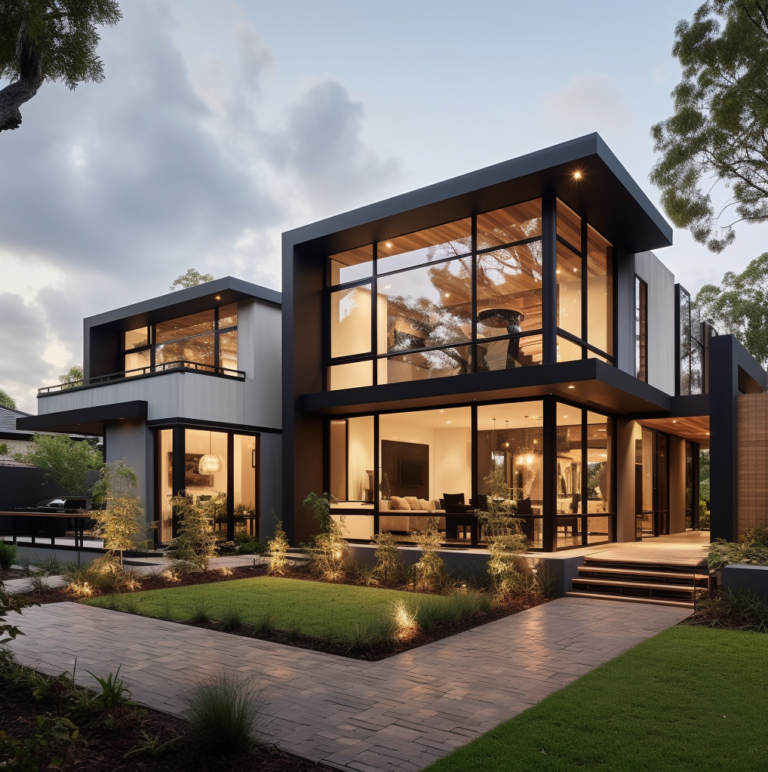
Enhance Your Home’s Aesthetic with Trend Aluminium Windows
Aluminium windows have become a mainstay in modern Australian homes, offering sleek designs, durability, and…
Why MEICHEN Aluminium Windows & Doors Are the Top Choice for Australian Homeowners
Why MEICHEN Aluminium Windows & Doors Are the Top Choice for Australian Homeowners If you’ve…
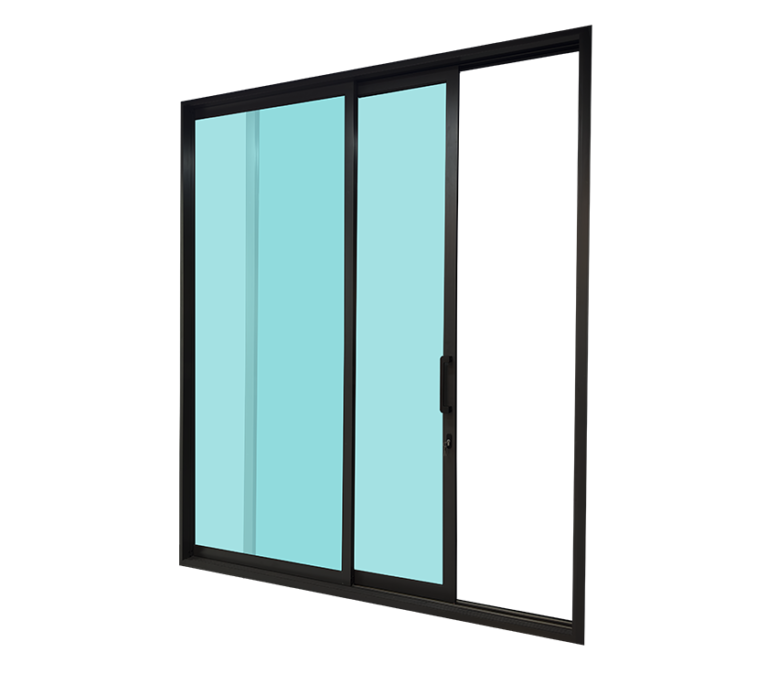
Perth Aluminium Sliding Doors: Modern and Space-Efficient
The slim aluminium frames of sliding doors enhance their contemporary appeal, allowing for larger glass…