Why Architectural Details Matter in Heritage Home Renovations
admin
Author
2026-07-29
Published
5 min read
Reading time
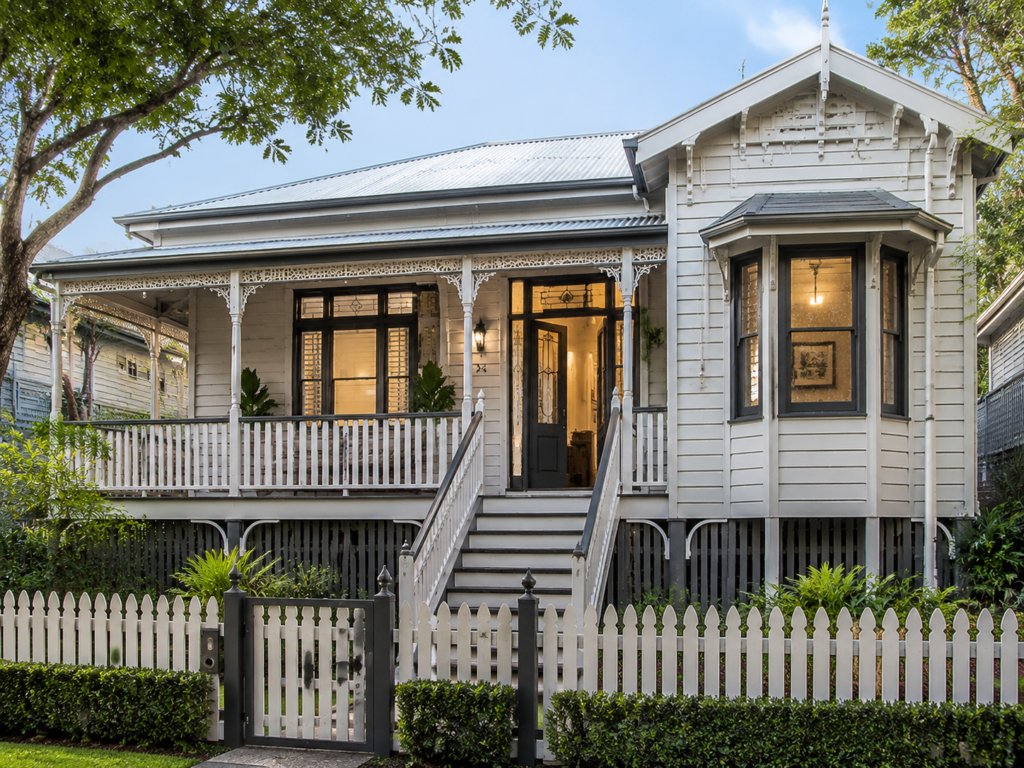
Heritage homes are valued not only because they are old, but because they tell a story through their architecture.
Every design element—from the shape of a window to the style of a front door—contributes to the identity of the building.
A heritage home is like a historical document. Its materials, proportions and decorative features reflect the era in which it was built, the craftsmanship of the builders and the lifestyle of the people who originally lived there.
When renovating a heritage property, preserving these architectural details is one of the most important principles.
Modern upgrades are necessary for comfort and functionality, but they should work together with the original design rather than replacing it.
The most successful heritage renovations achieve a careful balance:
Preserve the character of the past while improving the performance required for modern living.
What Makes Architectural Details Important?
Architectural details create the visual identity of a heritage home.
Without these elements, many historic properties would lose the characteristics that make them unique.
Important details may include:
- Window proportions
- Door designs
- Roof forms
- Verandahs
- Brick patterns
- Decorative trims
- Timber features
- Colour schemes
- Building symmetry
Each element contributes to the overall architectural language of the property.
Windows: One of the Most Important Heritage Features
Windows are often considered the “eyes” of a building.
They influence how people perceive:
- The age of the home
- The architectural style
- The quality of craftsmanship
- The relationship between indoor and outdoor spaces
Different Australian heritage periods developed distinctive window styles.
Victorian Home Window Characteristics
Victorian homes are known for elegance and decorative details.
Common window features include:
- Tall vertical proportions
- Double hung windows
- Decorative glazing
- Timber frames
- Symmetrical arrangements
The window design often reinforces the formal appearance of Victorian façades.
Federation Home Window Characteristics
Federation architecture introduced a stronger connection between traditional craftsmanship and Australian lifestyle.
Common features include:
- Casement windows
- Leadlight glass
- Timber detailing
- Multiple window groupings
- Decorative elements
Windows were often designed to provide both beauty and ventilation.
Queenslander Home Window Characteristics
Queenslander homes were designed specifically for Australia’s warmer climate.
Important features include:
- Large openings
- Strong airflow
- Timber shutters
- Elevated structures
- Connection with outdoor areas
Ventilation was a key part of the architectural design.
Why Window Replacement Requires Careful Planning
Replacing heritage windows is not simply a matter of choosing a new product.
The wrong design can affect:
- Street appearance
- Architectural balance
- Historical authenticity
- Property value
Important considerations include:
Frame Proportions
The width and appearance of window frames should complement the original design.
Opening Style
A modern sliding window may not suit a traditional Victorian façade.
The opening method should reflect the architectural style where possible.
Glass Selection
Modern glass technology can improve performance while maintaining appearance.
Options include:
- Double glazing
- Laminated glass
- Low-E glass
- Acoustic glazing
Doors: The Entrance to Heritage Character
The front door is often one of the strongest visual features of a heritage home.
It creates the first impression and often reflects the architectural period.
Traditional heritage doors may include:
- Timber panels
- Decorative glass
- Side lights
- Ornamental hardware
- Strong symmetry
When restoring or replacing doors, maintaining these characteristics is important.
Modern Door Solutions for Heritage Extensions
While original front entrances are often preserved, modern extensions may require new door systems.
Contemporary aluminium doors can provide:
- Larger openings
- Better weather resistance
- Improved security
- Smooth operation
- Modern glazing options
Common applications include:
- Rear extensions
- Outdoor living areas
- Garden connections
- Renovated kitchens
The key is ensuring the new elements complement rather than compete with the original architecture.
The Importance of Proportion in Heritage Design
One of the most important concepts in heritage architecture is proportion.
A building feels balanced because different elements relate to each other.
Examples include:
- Window height compared with wall height
- Door size compared with façade width
- Roof shape compared with building scale
- Decorative details compared with overall design
Even small changes can affect the appearance of the entire property.
Materials and Authenticity
Traditional heritage homes were built using materials available during their era.
Common materials included:
- Timber
- Brick
- Stone
- Terracotta
- Render
Modern materials should be selected carefully.
The goal is not always to copy old materials exactly, but to achieve the same visual and functional result.
Aluminium: A Modern Material for Heritage Applications
Aluminium has become increasingly popular in heritage renovation projects because modern manufacturing allows it to achieve both performance and design flexibility.
Advantages include:
Slim Visual Profiles
Modern aluminium systems can achieve refined frame designs that suit heritage proportions.
Long-Term Durability
Aluminium resists:
- Rot
- Termites
- Moisture damage
- Corrosion
- UV deterioration
This makes it suitable for Australia’s diverse climate conditions.
Custom Design Capability
Aluminium systems can be customised with:
- Different colours
- Multiple opening configurations
- Various glazing options
- Project-specific dimensions
This flexibility allows solutions to be created for different architectural styles.
Preserving Details While Improving Performance
A successful heritage renovation does not mean keeping every element exactly as it was 100 years ago.
Buildings need to evolve.
Modern improvements can include:
- Energy-efficient glazing
- Improved insulation
- Better weather sealing
- Modern hardware
- Enhanced security systems
These upgrades help heritage homes remain practical for future generations.
Common Mistakes in Heritage Renovations
Removing Original Features Without Assessment
Some elements may appear outdated but still have significant heritage value.
Using Inappropriate Modern Designs
A product may perform well technically but still damage the architectural appearance.
Ignoring Small Details
Small features often create the overall character of a heritage home.
Examples:
- Window divisions
- Door handles
- Trim colours
- Decorative patterns
Focusing Only on Appearance
A successful renovation must consider:
- Comfort
- Durability
- Energy efficiency
- Maintenance
- Long-term value
How MEICHEN Windows&Doors Supports Heritage Projects
At MEICHEN Windows&Doors, we understand that heritage renovation requires precision, flexibility and respect for architectural design.
Our aluminium window and door systems are developed to support projects where both appearance and performance matter.
Our solutions include:
- Custom-designed aluminium windows
- Heritage-inspired window styles
- Slim frame systems
- High-performance glazing compatibility
- Custom aluminium doors
- Durable powder-coated finishes
- Solutions for Australian and New Zealand residential projects
By combining modern manufacturing technology with careful attention to architectural details, MEICHEN helps homeowners and builders create renovations that preserve history while improving everyday living.
Frequently Asked Questions
Why are architectural details important in heritage homes?
Because they define the building’s historical identity and contribute to its cultural and visual value.
Should all original features be kept during renovation?
Not necessarily. Important features should be preserved where practical, while damaged or unsuitable elements may be carefully upgraded.
Can modern aluminium windows match heritage architecture?
Yes. With appropriate proportions, colours and designs, aluminium windows can complement many heritage architectural styles.
Conclusion
Architectural details are what make heritage homes unique.
The beauty of these properties comes from the relationship between every element—the windows, doors, materials, proportions and craftsmanship.
A successful heritage renovation does not erase history.
Instead, it protects the details that matter while introducing modern improvements that allow the home to continue serving future generations.
By combining thoughtful design with advanced building technology, heritage homes can maintain their original character while achieving the comfort, efficiency and durability expected today.
About MEICHEN Windows&Doors
MEICHEN Windows&Doors is a professional aluminium windows and doors manufacturer specialising in customised solutions for Australian and New Zealand residential, architectural and heritage renovation projects.
With advanced production technology, precision manufacturing and a strong focus on quality, MEICHEN helps architects, builders and homeowners create high-performance window and door solutions that respect Australia’s architectural heritage.
Related Articles
How Much Do Aluminium Bifold Doors Cost in Australia?
The cost of aluminium bifold doors in Australia depends on several factors, including door size,…
M&C Windows & Door Tilt & Turn Windows: Factory-Direct Quality with Local Installation You Can Trust
In modern home design, Tilt & Turn windows have become increasingly popular across Australia and…
Tilt and Turn Windows Australia: Design, Security & Energy Performance Guide
Tilt and turn windows Australia: dual-function design, multi-point locking security, AS 2047 compliance, U-value performance,…