How to Modernise a Heritage Home While Preserving Its Original Style
admin
Author
2026-07-29
Published
4 min read
Reading time
Australian heritage homes represent a unique combination of history, craftsmanship and architectural identity. From Victorian terraces with decorative details to Federation homes featuring red brick façades and Queenslanders designed for natural ventilation, these properties continue to attract homeowners who appreciate character and individuality.
However, the way people live today has changed significantly compared with when many heritage homes were originally built.
Modern families often need:
- Larger kitchens
- Open-plan living areas
- Better insulation
- Improved energy efficiency
- More natural light
- Stronger security
- Indoor-outdoor connections
- Lower maintenance materials
The challenge is finding the right balance between preserving heritage character and creating a comfortable modern home.
A successful heritage renovation does not replace history with contemporary design. Instead, it carefully integrates modern solutions that allow the original architecture to remain the centrepiece.
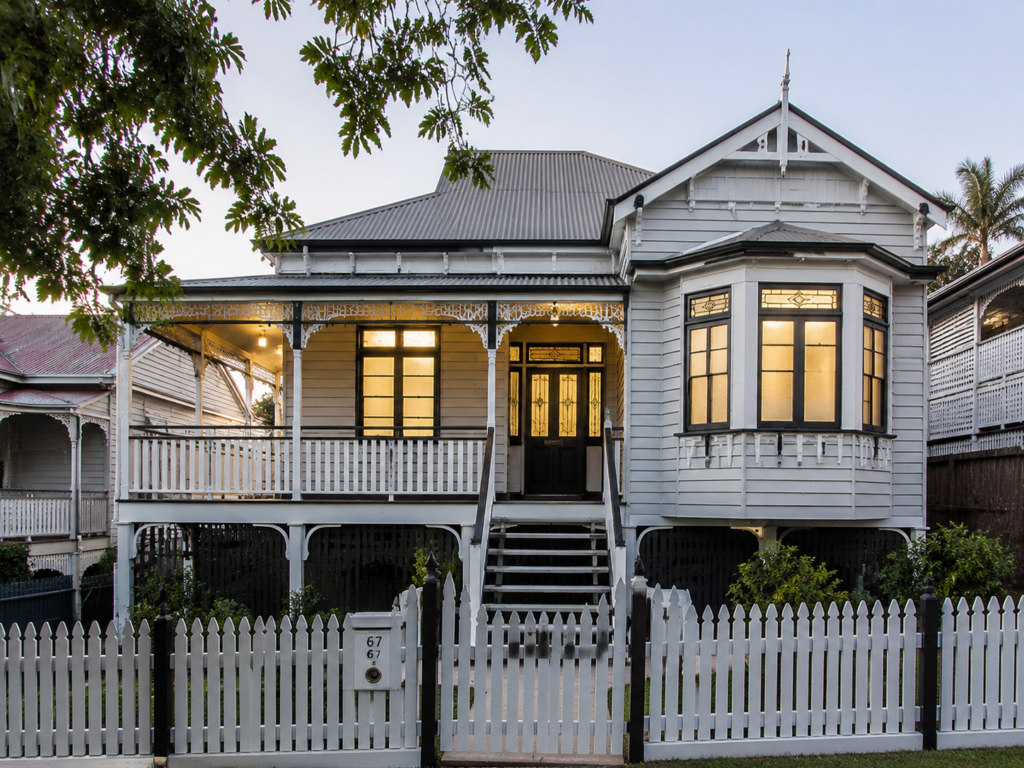
The Principle of Heritage Modernisation
Modernising a heritage home requires a different mindset from renovating a standard property.
The goal is not to make the house look brand new.
Instead, the aim is:
Preserve what makes the home special, improve what no longer meets modern expectations.
This approach usually involves:
- Protecting important architectural features
- Restoring valuable original elements
- Upgrading hidden building performance
- Introducing modern materials where appropriate
- Creating a connection between traditional and contemporary spaces
Step 1: Identify the Heritage Features Worth Preserving
Before starting any renovation, homeowners should identify which elements define the character of the property.
These may include:
Exterior Features
- Brick façades
- Verandahs
- Roof designs
- Decorative trims
- Chimneys
- Traditional entryways
Interior Features
- High ceilings
- Timber flooring
- Fireplaces
- Decorative cornices
- Archways
- Original joinery
These features create the emotional connection people have with heritage homes.
Preserving them should be a priority.
Step 2: Upgrade Comfort Without Changing the Appearance
Many heritage homes have beautiful designs but outdated performance.
Common problems include:
- Poor insulation
- Drafty windows
- Single glazing
- Inefficient heating and cooling
- Limited ventilation control
Modern upgrades can often be introduced without changing the home’s appearance.
Examples include:
- Double-glazed windows
- Improved seals
- Better insulation
- Modern heating and cooling systems
- Efficient lighting
These improvements enhance comfort while maintaining heritage character.
Step 3: Modernise Windows While Respecting Heritage Design
Windows are one of the most important elements in heritage architecture.
They influence:
- The home’s appearance
- Natural lighting
- Ventilation
- Thermal performance
- Acoustic comfort
Poorly designed replacements can damage the visual balance of a heritage façade.
Choosing Heritage-Suitable Window Designs
A successful replacement window should consider:
Frame Proportions
The frame should maintain a similar visual relationship to the original design.
Slim aluminium profiles can help achieve a refined appearance while allowing larger glass areas.
Window Style
Different heritage homes suit different window types.
Examples:
Victorian Homes
Often feature:
- Vertical proportions
- Double hung styles
- Decorative glazing
Federation Homes
Often feature:
- Casement windows
- Leadlight-inspired designs
- Balanced window arrangements
Queenslander Homes
Often require:
- Larger openings
- Strong ventilation
- Flexible operating options
Why Aluminium Windows Are Becoming Popular in Heritage Upgrades
Modern aluminium windows provide an effective balance between traditional appearance and contemporary performance.
1. Long-Term Durability
Aluminium performs well in Australia’s demanding environment.
It resists:
- Moisture
- Corrosion
- Termites
- Rot
- UV exposure
2. Lower Maintenance Requirements
Traditional timber windows often require ongoing maintenance.
This may include:
- Repainting
- Sealing
- Timber repairs
- Weather protection treatments
Aluminium systems require significantly less maintenance while maintaining their appearance.
3. Better Energy Performance
Modern aluminium windows can incorporate:
- Double glazing
- Low-E glass
- Laminated glass
- Advanced sealing systems
These improvements help reduce:
- Heat loss in winter
- Heat gain in summer
- Outside noise
- Condensation
Step 4: Create Modern Extensions That Respect the Original Home
Many heritage homeowners choose to extend their properties.
A well-designed extension should not compete with the original structure.
Instead, it should create a clear relationship between old and new.
Common approaches include:
Preserve the Front, Modernise the Rear
One popular strategy is:
- Restore the original street-facing façade
- Upgrade internal spaces
- Add a contemporary rear extension
This maintains neighbourhood character while improving family living.
Use Glass to Connect Old and New
Large glazed openings can create a transition between heritage and modern spaces.
Modern aluminium doors such as:
- Sliding doors
- Bifold doors
- Hinged doors
can provide:
- Better access
- More natural light
- Indoor-outdoor connection
- Contemporary functionality
Step 5: Improve Natural Light Without Losing Character
Many older homes were designed with smaller windows compared with modern houses.
While this contributed to their traditional appearance, some interiors can feel dark.
Solutions include:
- Restoring existing windows
- Adding appropriate glazing
- Improving internal layouts
- Using carefully positioned extensions
- Installing larger openings in less visible areas
The goal is to increase daylight while protecting the home’s architectural identity.
Step 6: Improve Security Without Changing the Heritage Feel
Security is an important consideration for modern homeowners.
Traditional homes may have older:
- Locks
- Hinges
- Window hardware
Modern systems can provide:
- Multi-point locking
- Stronger frames
- Improved glass security
- Better hardware reliability
These improvements can often be introduced discreetly.
Common Mistakes When Modernising Heritage Homes
Mistake 1: Making Everything Look New
A heritage home should not lose the character that makes it valuable.
Mistake 2: Using Inappropriate Modern Materials
Not every contemporary product suits a traditional building.
Materials should complement the architecture.
Mistake 3: Ignoring Building Performance
A beautiful renovation that remains uncomfortable will not deliver long-term satisfaction.
Mistake 4: Removing Original Features Without Assessment
Some original elements can often be restored instead of replaced.
A Balanced Approach: Heritage Character + Modern Performance
The most successful heritage renovations follow three principles:
1. Respect the Past
Protect original architectural identity.
2. Improve the Present
Upgrade comfort, efficiency and functionality.
3. Prepare for the Future
Use durable materials and systems that provide long-term value.
Heritage Modernisation Solutions from MEICHEN Windows&Doors
At MEICHEN Windows&Doors, we specialise in aluminium windows and doors designed for Australian and New Zealand residential projects.
For heritage renovations, MEICHEN provides solutions that combine:
- Traditional architectural compatibility
- Modern aluminium engineering
- Slim frame designs
- High-performance glazing options
- Custom manufacturing capability
- Durable finishes
- Long-term reliability
Our products help homeowners, builders and architects create spaces where heritage character and modern living exist together.
Frequently Asked Questions
Can a heritage home have a modern interior?
Yes. Many successful heritage renovations preserve the external character while creating modern internal living spaces.
Are aluminium windows suitable for heritage homes?
Yes. With appropriate design, colours and proportions, aluminium windows can complement many Australian heritage styles while providing improved performance.
How can I improve energy efficiency without changing the home’s appearance?
Common solutions include upgraded glazing, better seals, insulation improvements and carefully selected replacement windows and doors.
Conclusion
Modernising a heritage home is not about choosing between old and new.
The best renovations respect architectural history while introducing technology that improves everyday life.
By carefully upgrading windows, doors, insulation and living spaces, homeowners can enjoy the beauty of a heritage property with the comfort expected from a modern residence.
A successful heritage renovation achieves the perfect balance:
Timeless character. Modern comfort. Long-lasting performance.
About MEICHEN Windows&Doors
MEICHEN Windows&Doors is a professional aluminium windows and doors manufacturer specialising in customised solutions for Australian and New Zealand residential, architectural and heritage renovation projects.
With advanced manufacturing technology, strict quality control and customised design capabilities, MEICHEN helps preserve architectural character while delivering high-performance window and door systems for modern living.
Related Articles
Sydney Owner-Builders’Guide: Factory-Direct Black-Framed Sliding Doors & Windows from China
In Sydney’s owner-built housing projects, windows and doors are no longer treated as simple façade…
How to Evaluate the Production Capacity of Aluminum Window and Door Factories
Evaluating the production capacity of aluminum window and door factories is crucial for ensuring the…
Queenstown Aluminium Sliding Doors: Sleek and Functional Design
Aluminium frames provide a sleek, minimalist design that complements modern architecture while ensuring durability. They…