Heritage Renovation Rules in Australia: What Homeowners Need to Know
admin
Author
2026-07-29
Published
5 min read
Reading time
Renovating a heritage home in Australia requires a different approach from renovating a standard residential property.
While many homeowners want to improve comfort, energy efficiency and functionality, heritage properties also carry historical and architectural significance that needs to be protected.
A successful heritage renovation is not about preventing change. Instead, it is about managing change carefully so that modern improvements can be introduced without damaging the features that make the property unique.
For homeowners, builders and architects, understanding heritage renovation rules before starting a project can help avoid delays, unexpected costs and design issues.
This guide explains the key principles behind heritage renovation in Australia, including approvals, common restrictions, window and door considerations, and how modern aluminium systems can support sensitive restoration projects.
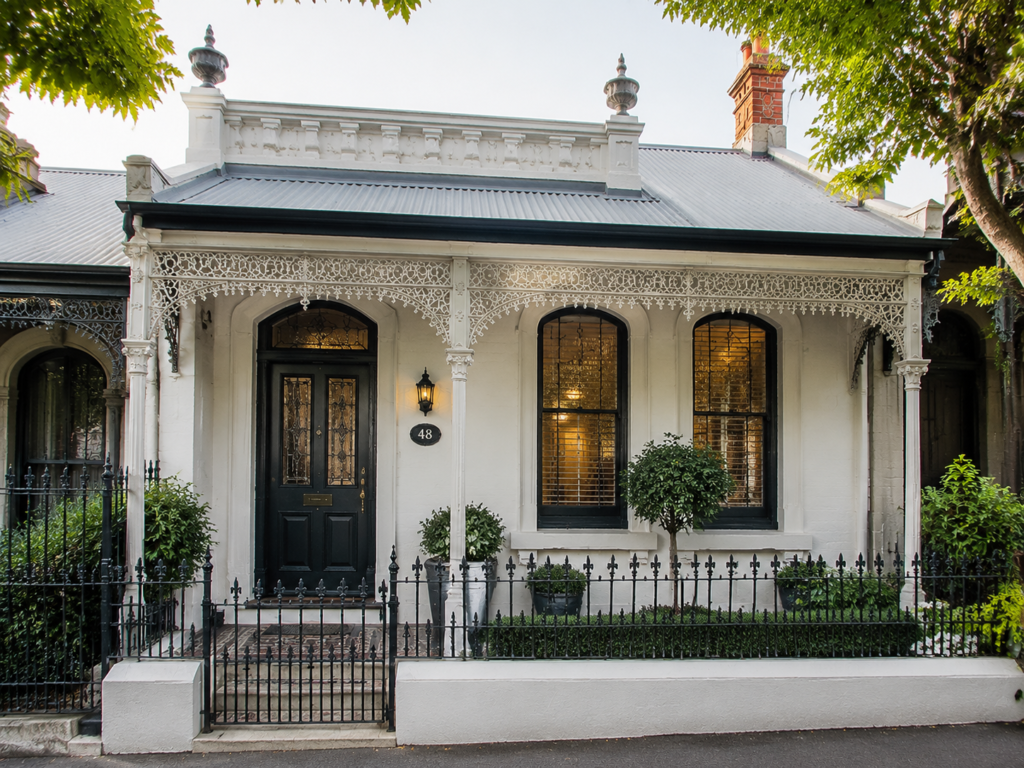
What Are Heritage Renovation Rules?
Heritage renovation rules are planning guidelines designed to protect buildings, streetscapes and areas that have historical, architectural or cultural importance.
These rules aim to ensure that renovation work:
- Maintains significant architectural features
- Protects the visual character of neighbourhoods
- Uses appropriate materials and designs
- Allows properties to remain functional for modern living
The exact requirements depend on:
- The property’s heritage classification
- The local council regulations
- The state or territory planning system
- The type and location of proposed changes
Why Do Heritage Homes Have Special Requirements?
Heritage homes represent important parts of Australia’s architectural history.
A Victorian terrace, Federation house or Queenslander is not valued only because of its age. It is valued because of its:
- Architectural style
- Construction techniques
- Relationship with surrounding buildings
- Historical importance
- Contribution to community identity
Without appropriate controls, unsuitable renovations could gradually remove the characteristics that make these homes special.
Understanding Heritage Listing Categories
Heritage controls vary depending on where the property is located.
Local Heritage Listing
Most heritage homes are protected through local councils.
Local heritage controls commonly apply to:
- External appearance
- Street-facing façades
- Windows and doors
- Roof alterations
- Verandahs
- Extensions visible from public areas
Local councils often provide heritage guidelines explaining acceptable renovation approaches.
State Heritage Listing
Some properties have broader historical importance and are listed on state heritage registers.
These properties may require additional assessment before major changes are approved.
Heritage Conservation Areas
Some homes may not individually be heritage listed but may be located within a heritage conservation area.
In these areas, councils often control changes that affect:
- Streetscape appearance
- Building height
- Front elevations
- External materials
What Renovations Usually Require Approval?
Not every improvement requires heritage approval.
However, external changes are usually more carefully reviewed.
Common examples include:
Window Replacement
Replacing original windows is one of the most sensitive renovation areas because windows strongly influence the appearance of a heritage façade.
Approval considerations may include:
- Frame design
- Window proportions
- Opening style
- Glass type
- Colour
- Street visibility
Door Replacement
External doors, especially front entrances, often contribute significantly to heritage character.
Considerations may include:
- Door proportions
- Materials
- Decorative elements
- Hardware style
- Glazing design
Extensions and Additions
Many heritage homes are extended to meet modern lifestyle needs.
Successful extensions usually:
- Respect the original building
- Avoid dominating the heritage structure
- Use complementary materials
- Create a clear relationship between old and new
External Alterations
Other changes that may require consideration include:
- Roof modifications
- Balcony changes
- Verandah alterations
- External cladding
- New openings
What Renovation Changes Are Commonly Accepted?
Heritage authorities generally support improvements that protect the long-term future of the property.
Commonly accepted upgrades may include:
- Restoring damaged features
- Improving building performance
- Installing appropriate replacement windows
- Upgrading insulation
- Improving weather protection
- Creating sympathetic extensions
The key principle is that changes should enhance the property without reducing its heritage value.
Heritage Windows: What Should Homeowners Consider?
Windows are one of the most important decisions in a heritage renovation.
A suitable replacement window should balance:
Heritage Appearance
The design should respect:
- Original proportions
- Vertical or horizontal emphasis
- Frame visibility
- Opening style
Modern Performance
Today’s homeowners expect:
- Better thermal insulation
- Improved weather resistance
- Noise reduction
- Enhanced security
Modern aluminium window systems can provide these benefits while maintaining a heritage-inspired appearance.
Why Aluminium Windows Are Suitable for Many Heritage Renovations
Modern aluminium technology has changed significantly compared with older perceptions of aluminium windows.
Today’s systems offer:
Slim Sightlines
Slim profiles help maintain elegant proportions similar to traditional windows.
Durability
Aluminium provides excellent resistance against:
- Moisture
- Corrosion
- UV exposure
- Termites
- Rot
This makes it suitable for Australia’s varied climate conditions.
Low Maintenance
Compared with timber windows, aluminium requires significantly less ongoing maintenance.
Homeowners can avoid frequent:
- Painting
- Sanding
- Timber repairs
- Protective treatments
High Performance
Modern aluminium systems can incorporate:
- Double glazing
- Laminated glass
- Low-E glass
- High-performance seals
- Advanced hardware
These features help heritage homes achieve modern comfort standards.
Heritage Renovation and Energy Efficiency
Many older homes struggle with energy efficiency because they were built before modern building standards.
Common improvement areas include:
Windows and Doors
Upgrading glazing and sealing systems can significantly reduce heat transfer.
Insulation
Improving roof, wall and floor insulation helps maintain stable indoor temperatures.
Ventilation
Maintaining natural airflow is particularly important in traditional Australian homes.
Appropriate window selection can improve ventilation while maintaining heritage appearance.
Common Heritage Renovation Mistakes
1. Removing Original Features Too Quickly
Original elements may have significant value and should be assessed before replacement.
2. Choosing Modern Products Without Considering Design
A technically excellent product may still be unsuitable if its appearance conflicts with the heritage style.
3. Ignoring Long-Term Performance
A heritage renovation should not only look good after completion but also perform well for decades.
4. Focusing Only on Initial Cost
Low-cost materials may create higher maintenance expenses in the future.
Quality materials often provide better long-term value.
How MEICHEN Windows&Doors Supports Heritage Renovation Projects
At MEICHEN Windows&Doors, we understand that heritage projects require a careful balance between preservation and innovation.
Our aluminium window and door solutions are designed for Australian and New Zealand residential markets, supporting homeowners, builders and architects who need:
- Custom-made window and door systems
- Heritage-inspired designs
- Slim aluminium profiles
- High-performance glazing solutions
- Durable powder-coated finishes
- Long-term weather performance
By combining modern manufacturing technology with an understanding of traditional architectural styles, MEICHEN helps create renovation solutions that respect heritage character while improving everyday living.
Frequently Asked Questions
Do all heritage renovations require council approval?
No. Requirements depend on the property’s heritage status, location and the type of renovation work planned.
Can I replace old timber windows with aluminium windows?
In many cases, yes. The replacement design should be appropriate for the heritage style and comply with any applicable requirements.
Can I add modern extensions to a heritage home?
Yes. Many successful heritage renovations include contemporary extensions that are carefully designed to complement the original building.
Conclusion
Heritage renovation rules exist to protect Australia’s architectural identity while allowing homes to continue evolving.
The most successful projects do not simply preserve the past—they improve it.
By understanding heritage requirements, choosing appropriate materials and working with experienced manufacturers, homeowners can create properties that combine:
Historical character + Modern comfort + Long-term performance
With carefully designed aluminium windows and doors, heritage homes can continue to tell their stories while meeting the needs of future generations.
About MEICHEN Windows&Doors
MEICHEN Windows&Doors is a professional aluminium windows and doors manufacturer specialising in customised solutions for Australian and New Zealand residential, architectural and heritage renovation projects.
Through advanced manufacturing capabilities, precision engineering and quality-focused production, MEICHEN provides window and door systems that help preserve architectural character while delivering modern performance.
Related Articles
How to Compare Aluminium Window Quotes in Australia: A Complete Buyer Guide
How to Compare Aluminium Window Quotes in Australia: A Complete Buyer Guide Quick Answer When…

Energy-Efficient Aluminium Windows: A Sustainable Choice for Australian Homes
In Australia, where climate conditions can be extreme, the importance of energy-efficient windows cannot be…
The Energy-Saving Science Behind AS-Certified Double and Triple Low-E Glass
In modern high-end residential and commercial buildings, window energy efficiency directly affects energy consumption, indoor…