Is AS2047 Mandatory in Australia? Understanding Compliance for Windows and Doors
admin
Author
2026-06-29
Published
4 min read
Reading time
Is AS2047 Mandatory in Australia?
One of the most common questions asked by builders, architects, developers, and homeowners is:
“Is AS2047 mandatory in Australia?”
The short answer is:
Yes—for most residential buildings and many commercial projects, windows and external glazed doors are generally required to comply with AS2047 as part of meeting the requirements of the National Construction Code (NCC) and relevant state or territory building regulations.
However, the exact compliance requirements depend on the type of building, the window or door system being used, and the project’s design.
What Is AS2047?
AS2047 – Windows and External Glazed Doors in Buildings is the Australian Standard that specifies the performance requirements for complete window and external glazed door systems.
The standard evaluates how windows and doors perform in areas such as:
- Structural strength
- Wind resistance
- Water penetration resistance
- Air infiltration
- Operating force
- Durability
AS2047 applies to many common products, including:
- Awning windows
- Casement windows
- Sliding windows
- Fixed windows
- Double hung windows
- Louvre windows
- Sliding doors
- Hinged doors
- Bifold doors
Why Is AS2047 Required?
Australia experiences a wide variety of environmental conditions, including:
- Strong winds
- Coastal weather
- Heavy rainfall
- High temperatures
- Cyclonic conditions in some regions
Windows and external glazed doors must be capable of performing safely under these conditions.
AS2047 provides a recognised method of demonstrating that window and door systems achieve the required level of performance for Australian buildings.
How Does AS2047 Relate to the National Construction Code (NCC)?
The National Construction Code (NCC) establishes the minimum performance requirements for Australian buildings.
To demonstrate compliance with the NCC, window and door systems are commonly designed and tested in accordance with AS2047.
For most residential construction, compliance with AS2047 is an accepted method of demonstrating that windows and external glazed doors satisfy the relevant performance requirements.
Does Every Building Need AS2047?
In most cases, yes for conventional window and external glazed door systems.
Typical projects include:
- Detached homes
- Duplexes
- Townhouses
- Residential renovations
- Apartment developments
- Many commercial buildings
However, some specialised façade systems may be assessed under other Australian Standards depending on the project design.
What Happens If Windows Do Not Meet AS2047?
Using window systems that do not meet the required performance criteria may create several challenges during construction, including:
- Building approval delays
- Requests for additional compliance documentation
- Product replacement
- Project delays
- Increased costs
- Potential performance issues after installation
For this reason, builders and developers generally specify window systems supported by appropriate testing and technical documentation.
Is AS2047 Enough on Its Own?
No.
AS2047 is one of several Australian Standards that may apply to a project.
Depending on the building and its location, other standards may also be relevant, including:
| Australian Standard | Purpose |
|---|---|
| AS2047 | Performance of windows and external glazed doors |
| AS1288 | Selection and installation of glazing |
| AS4055 | Wind classification for housing |
| AS3959 | Construction in bushfire-prone areas |
| AS4284 | Testing of commercial façade systems |
| AS1428.1 | Accessibility requirements |
These standards work together to help ensure that windows and doors are suitable for their intended application.
How Can Builders Verify Compliance?
Before purchasing windows and doors, builders should request appropriate technical information from their supplier.
This may include:
- Product testing reports
- Performance data
- Technical specifications
- Shop drawings
- Product certifications where applicable
Verifying compliance early in the project can help minimise delays during approval and construction.
Why Choosing the Right Manufacturer Matters
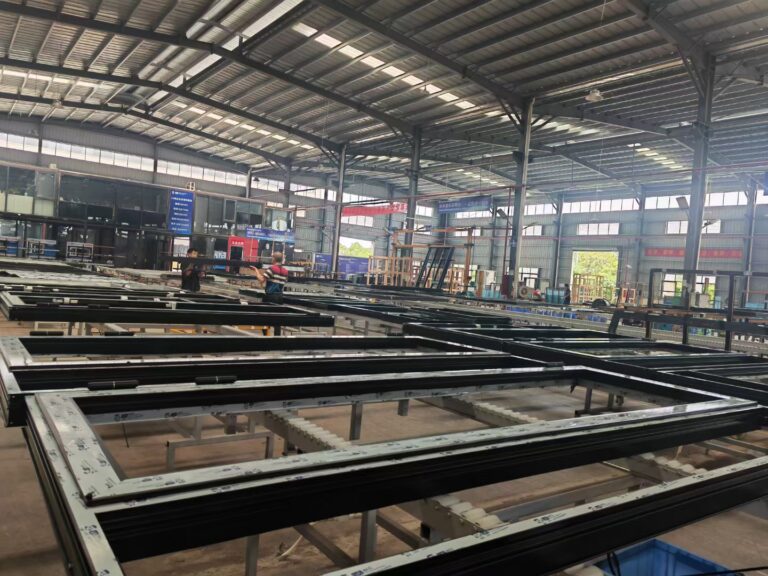
Selecting an experienced manufacturer is essential for ensuring that aluminium window and door systems are suitable for Australian projects.
A professional supplier should provide:
- Custom aluminium window and door solutions
- Technical documentation
- Shop drawings
- Engineering support
- Project coordination
- Manufacturing experience for Australian projects
MEICHEN Windows & Doors manufactures customised aluminium windows and doors for residential and commercial developments across Australia. We work closely with builders, architects, developers, and homeowners to provide tailored solutions supported by technical documentation and project-specific design assistance.
Common Misconceptions
“AS2047 is optional.”
For most standard residential window and external glazed door systems, AS2047 is the recognised pathway used to demonstrate compliance with Australian building requirements. Builders should always confirm the specific requirements applicable to their project.
“Every window sold can be used in Australia.”
Not necessarily.
Window systems should be suitable for Australian building requirements and supported by appropriate technical documentation.
“Only large commercial projects need compliant windows.”
Incorrect.
Compliance is important for projects of all sizes, from single homes to multi-storey developments.
Conclusion
For most residential buildings and many commercial projects, AS2047 plays a key role in demonstrating compliance with Australian building requirements for windows and external glazed doors.
Together with standards such as AS1288, AS4055, and AS3959, it helps ensure that aluminium window and door systems are appropriate for Australian environmental conditions and building performance expectations.
Choosing an experienced manufacturer such as MEICHEN Windows & Doors gives builders, architects, developers, and homeowners access to customised aluminium window and door solutions supported by technical expertise and documentation for Australian projects.
Frequently Asked Questions
Is AS2047 mandatory in Australia?
For most residential buildings and many commercial projects, windows and external glazed doors are generally expected to comply with AS2047 as a recognised means of meeting the requirements of the National Construction Code (NCC) and applicable building regulations.
Does every window need to comply with AS2047?
Most conventional external windows and glazed doors used in Australian buildings are specified to comply with AS2047, although specialised façade systems may be assessed under different standards depending on the project.
Is AS2047 the only standard for windows?
No. Other important Australian Standards include AS1288 for glazing, AS4055 for residential wind classification, AS3959 for bushfire-prone areas, AS4284 for commercial façade systems, and AS1428.1 for accessibility.
How can I confirm whether a window complies with AS2047?
Ask the manufacturer or supplier for technical documentation, test reports, and performance information relevant to the window system being specified.
Why choose MEICHEN Windows & Doors?
MEICHEN Windows & Doors provides customised aluminium windows and doors for Australian residential and commercial projects, offering technical support, project coordination, and tailored manufacturing solutions to help builders and developers meet project-specific performance requirements.
Related Articles
NCC 2025 External Glazing: How Australian Homeowners Should Specify Windows
Buying windows for a new Australian house used to hinge on style, hardware and price.…
NZS4211 Anti-Pinch Folding Doors: Dual Assurance of Safety and Aesthetics in Auckland, New Zealand
In high-end homes and villas in Auckland and other cities in New Zealand, folding doors…
Window Replacement Adelaide: Revitalize Your Home
If you’re looking for the best options for window replacement Adelaide, you’re in the right…