How Can Brisbane Homes Improve Natural Daylighting Through Window and Door Selection? Insights from M&C Windows & Doors
LJY
Author
2025-12-20
Published
2 min read
Reading time
In Brisbane’s subtropical climate, natural daylight is one of the most valuable design elements in residential architecture. Well-designed daylighting not only enhances living comfort but also contributes to energy efficiency and long-term property value. For builders and homeowners alike, it is increasingly clear that effective daylighting is not just about window size, but about choosing the right window and door systems.
Understanding Brisbane’s Daylighting Needs
Brisbane enjoys long hours of sunshine throughout the year, but this comes with challenges such as strong solar radiation, heat gain, and seasonal storms. Poorly planned glazing can lead to overheating, glare, and higher energy consumption. As a result, residential projects require window and door solutions that balance daylight, thermal control, and weather performance.
How Different Window Types Influence Daylighting
Different window and door systems offer distinct advantages when it comes to daylight performance.
Large sliding doors and sliding windows are widely used in Brisbane homes to connect indoor spaces with outdoor living areas while allowing generous natural light to enter without compromising floor space.
Fixed picture windows and floor-to-ceiling glazing maximize glass area and visual openness, making them ideal for living rooms, stairwells, and homes with garden or coastal views.
Awning and top-hung windows are often installed at higher wall positions, providing soft, indirect daylight while maintaining privacy and improving ventilation.
Folding door systems, increasingly popular in premium residences, create seamless indoor–outdoor transitions and allow daylight to flood interior spaces when fully opened.
Daylighting Must Go Hand in Hand with Performance
While larger glazing areas enhance daylight, they also place greater demands on window performance. In Australia, compliance with AS2047 standards is essential, covering structural strength, water resistance, air infiltration, and wind load performance. In Brisbane’s storm-prone environment, poorly engineered systems can result in leaks, drafts, and long-term maintenance issues.
This is why daylight-focused designs must be supported by fully tested, Australian Standard–certified window systems.
Why Builders Prefer Australian Standard–Certified Source Factories
Many Brisbane builders are now working directly with experienced source manufacturers that specialise in the Australian market. M&C Windows & Doors, for example, provides AS2047-certified aluminium window and door systems designed specifically for large glazing and high daylight applications. From profile engineering to hardware selection and system testing, each solution is developed to perform reliably under Australian conditions.
The source-factory model also allows greater flexibility in custom sizing, slim-frame designs, and overall cost efficiency—key considerations for residential developments.
Daylighting Is a System, Not a Single Product
Successful daylighting in Brisbane homes is the result of a holistic window and door strategy. Orientation, building layout, climate exposure, and daily usage all play a role in determining the most effective combination of window types. Partnering early with an experienced, Australian Standard–certified manufacturer ensures that daylight, comfort, and durability are achieved together.
This is why more residential projects are choosing to collaborate with trusted suppliers like M&C Windows & Doors, long before construction begins.
Better daylight starts with better window systems.
Related Articles
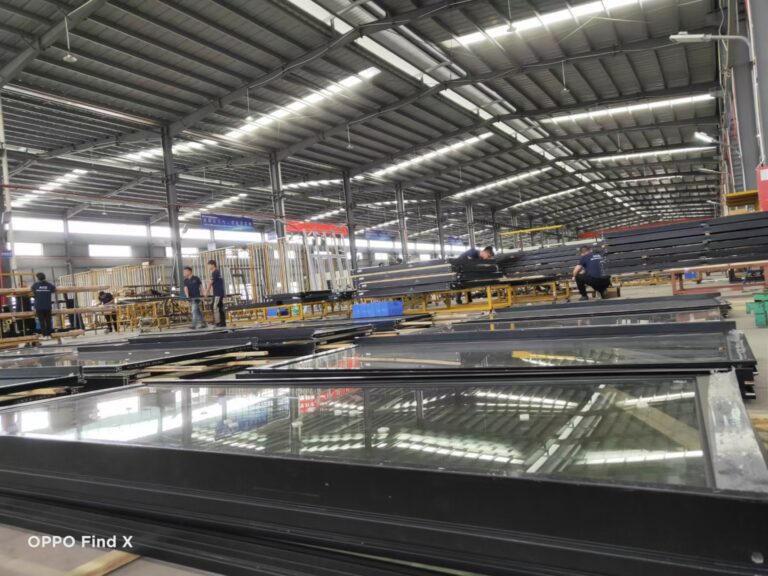
Aluminium Windows and Doors Australian Capital Territory – Durable, Stylish Options for Canberra Homes
The Australian Capital Territory, especially Canberra, is known for its cold winters, warm summers, and…
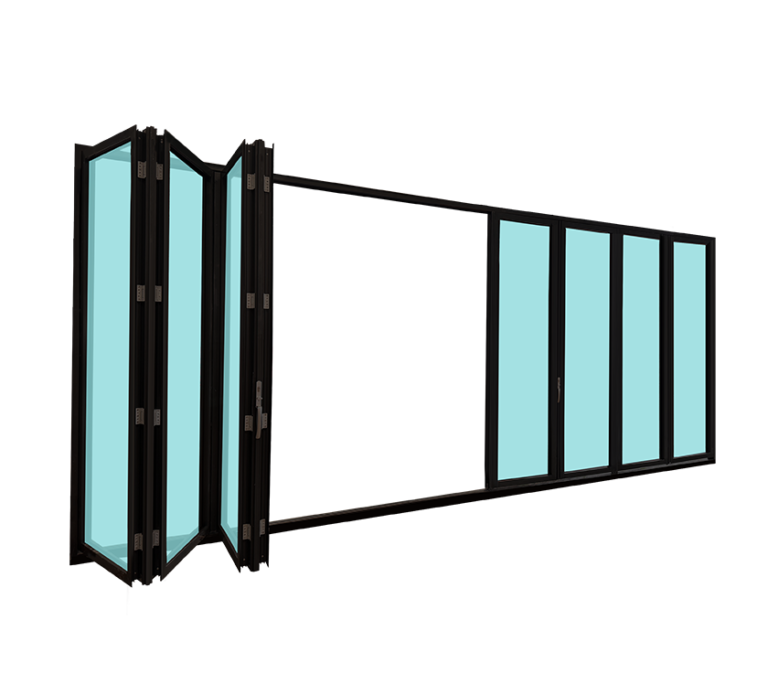
Aluminium Bifold Door Sydney: Modern Aluminium Bifold Doors for Spacious and Elegant Homes
Aluminium frames ensure durability, security, and minimal maintenance. These doors are ideal for patios, large…
Perth Aluminium Bifold Doors: Stylish and Functional for Indoor-Outdoor Living
The lightweight yet durable aluminium frames ensure smooth operation and long-lasting performance. Aluminium’s corrosion resistance…