Aluminium Sliding Door Roller Service: Tracks, Alignment, Seals and Maintenance
MC
Author
2026-11-05
Published
12 min read
Reading time
Aluminium Sliding Door Roller Service: Tracks, Alignment, Seals and Maintenance
An aluminium sliding door should move with controlled, even effort and close against its seals without forcing the panel. When a door becomes difficult to slide, noisy, loose, draughty or unreliable, the roller assembly is only one possible cause. Dirt in the track, a distorted sill, panel movement, worn guides, damaged seals, a mis-set lock or a blocked drainage path can all produce similar symptoms. Good service work therefore begins with diagnosis rather than an immediate adjustment or parts order.
This guide explains a practical approach to aluminium sliding door roller service for homes, apartments, offices and other buildings. It covers rollers, tracks, alignment, locks, interlocks, seals, thresholds, drainage, glazing, replacement parts, coastal maintenance, commissioning and safety. It is general information, not a substitute for the system supplier’s instructions, a site assessment or advice from a suitably qualified installer. The correct procedure depends on the door system, panel weight, glass, hardware, substrate and installation condition.
What roller problems look like
Roller trouble is often noticed gradually. A panel may begin to scrape only at one end of its travel, require a lift at the handle, or make a clicking, grinding or rumbling sound. It may stop short of the meeting stile, bounce back from the jamb, or feel heavier after rain. A visible gap at one corner can indicate that the panel is no longer square in the opening. A lock that will not engage may be reacting to alignment rather than failing by itself.
Common symptoms to record
- Uneven effort through the opening, with a hard spot or sudden release.
- Metallic scraping, repeated clicking, grinding or a roller rumble.
- A panel that drags on the sill, track or fixed frame.
- A visible difference in the gap between the panel and jamb at the top and bottom.
- A lock tongue, hook or keeper that does not line up cleanly.
- Air or water movement around the interlock, meeting stiles, corners or bottom rail.
- Loose, cracked, flattened or displaced pile, wedge or compression seals.
- Water remaining in the sill, overflowing to the interior or appearing without an obvious leak path.
Before touching an adjustment screw, operate the door slowly and observe where the resistance begins. Check whether the problem changes when the panel is supported by its handle or lifted very slightly. Do not use force to overcome a jam. A forced panel can damage rollers, tracks, glass, locks and the surrounding frame, and it can create a safety hazard.
Inspecting and cleaning the track
A clean, sound track is the foundation of smooth operation. Fine grit, plaster dust, pet hair, plant matter and salt residue can form a hard ridge beneath the roller. A small obstruction can make a panel feel as though its rollers have failed. Cleaning is therefore an important first service step, but it should not be used to hide a worn or damaged component.
A careful cleaning sequence
- Secure the work area and prevent people from operating the panel while it is being inspected.
- Remove loose debris with a soft brush or vacuum attachment. Avoid driving grit deeper into drainage slots.
- Use a suitable non-abrasive cleaner and a soft cloth where residue remains. Follow the system or finish supplier’s instructions.
- Clean the running surfaces and the spaces around roller access points without bending or dislodging seals.
- Check the track for dents, burrs, corrosion, loose fasteners, sealant contamination and areas where the roller cannot run continuously.
- Clear drainage openings carefully. Do not enlarge, seal over or relocate openings as a casual repair.
- Dry the area and test the panel before considering any adjustment.
Do not put household oil, grease or an unapproved aerosol lubricant into a track. Lubricant can attract abrasive dirt, stain adjacent finishes and affect seals. Some rollers and hardware require a product specified by the manufacturer; others are designed to operate on a clean dry running surface. Use only an approved product and apply it exactly as directed.
Roller inspection and adjustment boundaries
Roller adjustment is intended to restore the panel to its designed relationship with the frame. It is not a method for correcting a failed substrate, a bowed frame, a damaged track or a panel that is too heavy for its hardware. Adjustment access may be located at the bottom rail, behind a plug or through a protected opening. Use the correct driver and keep a record of the starting position where practical.
What an adjustment can and cannot do
A small, balanced adjustment may lift or lower a panel enough to restore running clearance, improve the relationship between the lock and keeper, or bring the meeting stiles into a more consistent position. Make changes incrementally and alternate between the adjustment points so the panel remains supported and reasonably level. After each change, operate the panel through its full travel and check the lock, seals and drainage path.
Adjustment cannot safely compensate for a crushed roller, a cracked housing, a flat wheel, a missing bearing, a split axle, a track with a sharp deformation or a frame that has moved. It also cannot correct glass that has shifted in a panel or a door that was installed out of level or out of square. If the adjustment reaches its limit, the panel still binds, or the door must be lifted to move, stop and investigate the underlying fault.
Large or glazed panels can be heavy and awkward to remove. Removal may require two or more trained people, protective equipment and a controlled method for supporting the glass and frame. Do not remove a panel from a height, balcony or exposed opening without a documented safe system of work. A service technician should determine whether the panel can be adjusted in place or needs specialist handling.
Panel alignment and frame condition
Alignment is more than making the panel look straight. The panel must sit within the frame so that rollers, guides, seals, interlocks and locking points work together. Inspect the head, sill, jambs and fixed panels for movement, impact damage, corrosion, loose screws and sealant failure. Compare the reveal at several points rather than judging one corner by eye.
Check the panel’s vertical relationship to the frame, the meeting-stile relationship when closed, and the clearance at the top and bottom. Look for evidence that the bottom rail is contacting the sill or that a guide is carrying load that should be carried by the rollers. A frame can appear visually acceptable while a small change in level prevents the lock from engaging or leaves a seal partially compressed.
Do not plane, grind, drill or pack an aluminium frame as an unplanned adjustment. Altering a profile can weaken the assembly, expose untreated surfaces, interfere with drainage or invalidate the system’s tested configuration. If the opening or frame has moved, the appropriate response may be building repair, reinstallation or replacement of a system component rather than further roller adjustment.
Locks, handles and interlocks
After roller work, test the lock with the panel fully closed and the handle operated gently. The lock should engage without a kick, shoulder pressure or lifting of the panel. A lock that needs force may have a misaligned keeper, an obstructed hook, damaged hardware, a shifted panel or a seal that is over-compressed. Never file a keeper or bend a lock component before establishing why the alignment is wrong.
The interlock is the meeting arrangement between sliding panels and may include overlapping stiles, seals, hooks or other security and weathering features. Inspect it for impact marks, twisted components, worn seals and foreign objects. Confirm that the interlock engages along its intended length and does not collide as the panel closes. If the door has an anti-lift device, guide, restrictor or child-safety feature, confirm that it remains present and functional after service.
Handles and cylinders should be checked for loose fixings, abnormal play and smooth operation. Avoid spraying unapproved chemicals into a cylinder or lock body. Use the hardware manufacturer’s maintenance instructions. If a lock is unreliable, leave the door in a safe condition and arrange repair rather than telling occupants to operate it with excessive force.
Seals, thresholds and weathering
Seals control air movement, water entry, dust and noise, but they must be correctly located and allowed to meet their mating surface. Inspect pile, brush, wedge, bubble and compression seals for splits, shrinkage, flattening, pulled corners, hardening and gaps. Check the seal at the meeting stiles, corners, head, jambs and bottom rail. A seal can be intact yet ineffective if the panel is misaligned or the seal has been installed in the wrong channel.
The threshold is exposed to foot traffic, cleaning water, grit and impact. Check for dents, loose sections, failed joins and contamination beneath removable covers. Avoid adding a bead of sealant across a threshold or drainage route simply because water is visible. A threshold needs a designed path for water to drain away. Blocking that path can move a minor external wetting issue into an internal leak.
Replace seals with a compatible profile and material where possible. Do not stretch a seal during installation or join it at a corner without following the system method. Incorrect replacement can increase closing force, prevent the lock from engaging, or leave a gap at the corner. Record the old seal’s location and orientation before removal, and inspect the channel for damage while it is accessible.
Drainage and water management
Sliding door sills commonly manage water through a combination of rebates, seals, weep paths, drainage chambers and external discharge points. Service work should confirm that water can move through the intended path and that discharge points are not blocked by dirt, paint, sealant or landscaping. Pouring large amounts of water into a sill is not a substitute for a controlled diagnostic test and can create avoidable interior damage.
Inspect the external face, end dams, corner joints, sill interfaces and adjacent wall junctions. Water entering at the head, jamb or wall connection may travel inside the frame and appear at the threshold. A roller replacement will not resolve a failed sill-to-wall junction. If moisture affects plasterboard, flooring, electrical equipment or concealed structure, isolate the area and refer the investigation to the appropriate building professional.
Keep external drainage clear of dirt, mulch and stored items. Do not seal drainage holes, install an incompatible cover or drill new holes without design authority. Any repair should preserve the system’s intended water management and the surrounding waterproofing details.
Glazing and panel integrity
Glass is part of the moving panel’s weight and stiffness relationship. Inspect glazing for cracks, edge damage, chips, failed seals in an insulating glass unit, loose beads and signs that the panel has shifted. Do not press on a cracked pane or attempt to reset glazing blocks without appropriate training. A damaged glazed panel can fail during movement or removal.
Replacement glass must be selected for the opening, support conditions, safety requirements and system design. The relevant glass and glazing requirements must be assessed for the project; a visually similar pane is not automatically a suitable replacement. Keep labels, delivery records and any supplier documentation with the maintenance file, but do not assume that a document for one assembly applies to another.
Replacement parts and compatibility
When a roller, guide, seal, lock or keeper needs replacement, identify the door system and component before ordering. Record the manufacturer or fabricator where known, panel position, hardware markings, dimensions supplied by the system documentation, and photographs of the component. Avoid guessing from appearance. Rollers that look alike can differ in wheel material, housing, axle arrangement, load capability and adjustment range.
Compatible parts should work with the original track, panel and hardware geometry. A substitute that fits physically may change the panel height, create excessive point loading or interfere with the seal. Ask the system supplier or a qualified service provider to confirm suitability. Replace damaged fasteners with compatible fasteners and do not introduce dissimilar materials or unprotected cut edges that may accelerate corrosion.
When a part is unavailable, document the limitation and the proposed remedy. A complete panel or door replacement may be more appropriate than repeated attempts to adapt an obsolete component. Keep a record of removed parts, installation date, observed condition and the reason for replacement.
Coastal and exposed-location maintenance
Salt-laden air, windblown sand, humidity and intense sunlight can increase the maintenance demand on aluminium sliding doors. Coastal service should look for salt deposits, surface pitting, white corrosion products, dissimilar-metal corrosion, degraded sealants, brittle seals and grit in tracks. A finish can remain visually acceptable while hardware and drainage paths are already affected.
Use the cleaning method specified for the finish and hardware. Fresh water rinsing, gentle washing and thorough drying may be appropriate, but the frequency and method should reflect exposure and supplier instructions. Do not use abrasive pads, strong acids, caustic cleaners or chloride-rich products unless specifically approved. Remove deposits before they become a hard abrasive layer, and inspect concealed corners and drainage openings rather than only the visible face.
Coastal maintenance is not a promise of unlimited service life. It is a way to detect deterioration early and protect the designed operation. Where corrosion affects a structural component, fastener, lock, roller housing or glazing support, obtain an assessment before returning the door to normal use.
Commissioning after service
Commissioning should be a repeatable handover process, not a final casual slide. Clean the work area, remove tools and protective materials, and confirm that no debris remains in the track or drainage path. Operate each panel through its complete travel at least several times using normal handle contact. Check the start, middle and end of travel for noise, binding and uneven effort.
With the panel closed, check the meeting stiles, interlock, seals and lock. Confirm that the lock engages without force and releases normally. Check restrictors, anti-lift devices, stops and safety features. Inspect the glazing and frame for marks or damage introduced during service. If a water test is required, use the system or project method and record the result rather than making an informal assumption from a single wet area.
Provide the occupant or facilities team with a short maintenance record stating what was inspected, what was adjusted or replaced, any limitations, and when the next inspection should occur. Explain that a sliding door should not be slammed, lifted by the handle, wedged open against its hardware or operated with a known obstruction. Clear instructions reduce repeat damage.
Safety and professional limits
Safety takes priority over convenience. Isolate the opening where a panel, glass or hardware could fall or move unexpectedly. Use suitable gloves, eye protection and lifting controls. Keep children, pets and occupants away from the work zone. Do not work alone when panel removal or access to an exposed edge is possible. Follow workplace procedures for manual handling, glass, working at heights and hazardous substances.
Escalate the work when there is cracked or damaged glass, structural frame movement, water damage, corrosion affecting supports, an inaccessible high-level panel, a failed safety device, repeated lock failure or uncertainty about the system. A roller service should not become an improvised structural repair. If the door is on an exit route or forms part of a regulated building element, preserve required access, egress and safety functions while it is out of service.
NCC, ABCB and Australian standards
In Australia, the National Construction Code is published by the Australian Building Codes Board and sets performance requirements through its applicable provisions. The relevant NCC edition, building classification, state or territory requirements and project-specific documentation should be checked for the work. The NCC is not a maintenance instruction and a general service article cannot determine compliance for a particular installation.
AS 2047 addresses windows and external glazed doors in the contexts and configurations covered by that standard. It should be considered with the product evidence and installation details that apply to the actual system. AS 1288 provides requirements and guidance for glass in buildings, including selection and installation considerations relevant to replacement glazing. AS 4666 concerns the inspection and maintenance of smoke control systems; where a sliding door is near or associated with a smoke control arrangement, confirm the applicable project responsibilities rather than assuming ordinary door servicing is sufficient.
References to standards do not create a claim that a particular door has a rating, certification or test result. Confirm the current edition, scope, referenced documents and evidence required by the project. A supplier’s test report may apply only to a defined product, size range, glazing arrangement, hardware set, installation and test condition. Do not transfer that evidence to a modified or unrelated assembly.
New Zealand references
For work in New Zealand, check the current Building Code requirements, Acceptable Solutions and Verification Methods administered by the Ministry of Business, Innovation and Employment, together with the project specification and consent documentation. New Zealand projects may also reference relevant NZS or joint Australian and New Zealand standards for windows, doors, glass, safety, durability and installation. The applicable wind exposure, weathertightness details, corrosion environment and building use must be assessed for the actual site.
New Zealand reference material should not be used as a shortcut for an Australian compliance decision, and an Australian reference should not be assumed to satisfy a New Zealand consent or inspection requirement. Ask the designer, building surveyor, engineer, manufacturer or qualified installer to confirm which documents govern the project. Keep maintenance records and product evidence with the building file.
Frequently asked questions
Should I adjust the rollers before cleaning the track?
Usually, begin with observation and careful cleaning because debris can imitate roller failure. If the track is damaged, the panel is unsafe or the rollers are visibly compromised, stop rather than continuing with adjustment. After cleaning, make only the small, balanced adjustments permitted by the system instructions.
Why is the door still hard to move after a new roller is fitted?
The track may be damaged, the panel may be out of square, another roller may be worn, the frame may have moved, or the seals and interlock may be misaligned. A single new roller cannot correct every cause of resistance. Reinspect the complete assembly and confirm that the replacement part is compatible.
Can I use grease on the aluminium track?
Do not apply grease or oil unless the manufacturer specifically approves it for that location. Products can collect grit, affect seals and make the door worse. Follow the system maintenance instructions and keep running surfaces clean.
Why will the lock not engage after servicing?
The panel may be at the wrong height, the keeper may be misaligned, the interlock may be obstructed, or the lock may be damaged. Do not force the handle. Check alignment and hardware condition, and obtain a competent assessment if the cause is not clear.
How often should a coastal sliding door be serviced?
There is no universal interval for every building. Exposure, salt, sand, use, finish, drainage and the supplier’s instructions all matter. Use a documented inspection routine and increase attention when deposits, grit, corrosion or water-management problems appear.
Does AS 2047 prove that my installed door is compliant?
No. Compliance depends on the applicable requirements and evidence for the specific product and installation. Confirm the current project documentation, system configuration, installation and any required professional sign-off.
Can a cracked glass panel be repaired by adjusting the rollers?
No. Do not operate or press a cracked pane. Isolate the area and arrange assessment and replacement glazing by a competent person in accordance with the applicable glass and glazing requirements.
Conclusion
Reliable aluminium sliding door service is a whole-assembly task. Clean tracks, correctly adjusted and compatible rollers, aligned panels, functional locks and interlocks, continuous seals, open drainage paths and sound glazing all contribute to safe and predictable operation. The best service outcome is not simply a lighter slide; it is a door that closes, locks, drains and seals as the system was designed to do.
Record what was found and what was changed. Respect the limits of adjustment, escalate structural, glazing and water-management problems, and verify the standards and building requirements that apply to the project. With careful commissioning and maintenance suited to the exposure, an aluminium sliding door can remain an effective part of the building envelope without relying on invented performance claims or improvised repairs.
Copyright © 2026 添先生. All rights reserved.
Related Articles

Sydney Aluminium Sliding Doors – The Ideal Choice for Modern Homes
In Sydney, more and more homes are opting for aluminium sliding doors to enhance the…
Ultra Slim Aluminium Windows & Doors: 18-20mm Sight Lines for Modern Australian Homes
Explore ultra-slim aluminium window and door systems with 18-20mm sight lines. Maximise views, natural light,…
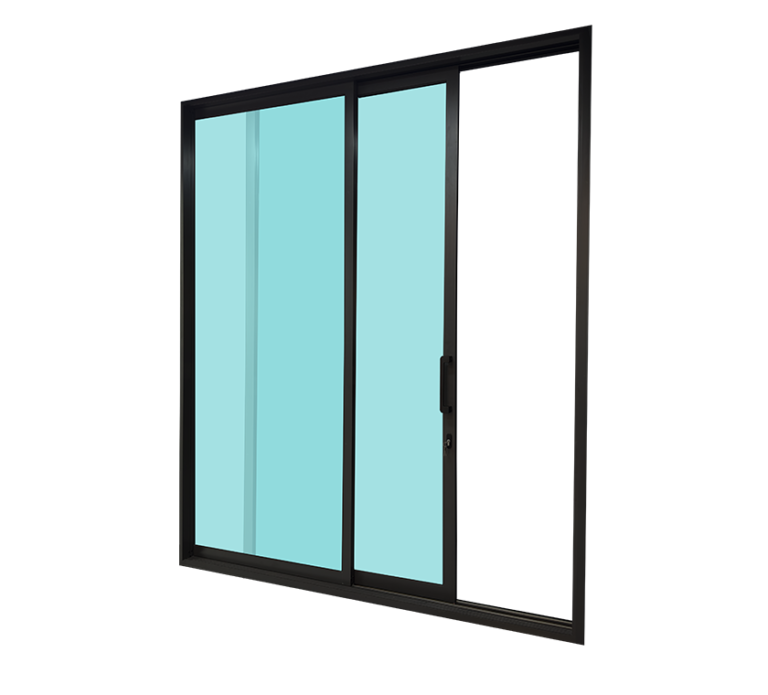
Aluminium Sliding Doors vs. Double Glazed Sliding Doors: What’s the Difference for Australian Homes?
When considering doors for your home in Australia, it’s important to understand the difference between…