WERS Window Energy Rating Scheme Australia: Complete Guide to Star Ratings, U-Value and SHGC
MC
Author
2026-08-27
Published
8 min read
Reading time
The Window Energy Rating Scheme (WERS) is Australia’s national rating system for the thermal performance of windows and glazed doors. Administered by the Australian Glass and Window Association (AGWA) and accredited by the Australian Fenestration Rating Council (AFRC), WERS provides builders, architects, and homeowners with a standardised, third-party-verified method for comparing the energy performance of different window products.
Since the introduction of NCC 2022, which raised the minimum energy efficiency requirements for new homes to 7-star NatHERS, understanding WERS ratings has become essential for every window specification decision. This guide explains what WERS is, how ratings are calculated, how to read a WERS label, and how to select windows that satisfy both regulatory compliance and real-world comfort.
1. What Is WERS?
WERS stands for the Window Energy Rating Scheme. It is an Australian initiative designed to rate and label windows based on their energy efficiency performance. The scheme has been operational since the 1990s and is administered by AGWA — the peak industry body for glass and window manufacturers in Australia.
WERS is a voluntary program, but participation requires manufacturers to obtain energy ratings for their products from organisations accredited by the AFRC. All WERS-rated windows must meet relevant Australian Standards, ensuring that rated products meet baseline quality and performance criteria.
The fundamental purpose of WERS is to improve the energy efficiency of windows installed in Australian homes by providing consumers with clear, reliable, and comparable information about how different window products will influence heating and cooling energy use.
WERS vs Glass-Only Specifications
A common misunderstanding is that better glass automatically means better window performance. WERS evaluates the complete window assembly — glass, frame, seals, spacers, and hardware — not just the glazing. Two windows using identical glass can achieve very different WERS ratings because of differences in frame design, sealing systems, and manufacturing quality.
This whole-window approach is critical because frames account for 20 to 30 per cent of total window area, and frame conductivity can significantly degrade the performance of even the best glazing. WERS captures this interaction, providing a more realistic performance figure than glass-only specifications.
2. How WERS Ratings Are Calculated
Data Submission and Computer Simulation
The rating process begins with manufacturers submitting detailed product information — including drawings, CAD files, cross-section details, and material specifications — to an AFRC-accredited rating agency. The agency then evaluates the energy performance of the windows through computer simulation software.
The software used is the same as that employed by the U.S. National Fenestration Rating Council (NFRC), ensuring international standards of accuracy and reliability. This software has been validated against laboratory tests in various climates, both hot and cold.
Physical Testing for Complex Products
For unusual or complex window products, physical testing may be required to establish basic thermal behaviour. After initial testing, a second stage of computer simulation follows, using NatHERS (Nationwide House Energy Rating Scheme) software to generate the final WERS rating.
What WERS Measures
WERS evaluates several key performance parameters:
U-Value (Uw): The rate of heat transfer through the complete window system (frame and glass together). Measured in W/m²·K. Lower is better — a low U-value means the window resists heat moving through it in either direction.
Solar Heat Gain Coefficient (SHGC): The proportion of solar radiation that passes through the window as heat, expressed between 0 and 1. Lower SHGC reduces solar heat gain; higher SHGC allows more solar heat transmission.
Visible Light Transmittance (VLT): The percentage of visible light that passes through the window. Higher VLT means more natural daylight.
Air Infiltration: The volume of air that leaks through the closed window. Drives draughts and affects acoustic performance.
3. How to Read a WERS Label
A WERS label carries more than one number, and each figure answers a different question about window performance.
Two Star Ratings, Not One
Every rated product receives separate star ratings for heating and cooling performance, each on a 0 to 10 star scale. A window can be excellent for heating and mediocre for cooling — or vice versa. This dual-rating system is essential because Australian climate zones range from alpine (heating-dominated) to tropical (cooling-dominated).
Heating Star Rating: Indicates how well the window retains indoor warmth during cold weather. Higher stars mean less heat loss. Important for cool-climate zones (Tasmania, ACT, alpine Victoria and NSW).
Cooling Star Rating: Indicates how well the window resists unwanted solar heat gain during hot weather. Higher stars mean less heat entry. Important for hot-climate zones (Northern Territory, Queensland, northern Western Australia).
U-Value (Uw)
The U-value on a WERS label is the whole-window U-value — not centre-of-glass. This is the practical figure for comparing products. Typical ranges:
| Window Type | Typical Uw (W/m²·K) |
|---|---|
| Single glazing, standard aluminium | 5.5–6.5 |
| Double glazing, standard aluminium | 3.0–3.5 |
| Double glazing, thermally broken aluminium | 1.6–2.5 |
| Double glazing, uPVC | 1.4–1.8 |
| Double glazing, thermally broken aluminium + Low-E + argon | 1.2–1.6 |
| Triple glazing, thermally broken aluminium + Low-E + argon | 0.8–1.2 |
SHGC
The ideal SHGC depends on climate zone, building orientation, and shading design:
- North-facing windows in cool climates: Higher SHGC (0.4–0.6) allows beneficial winter solar gain
- West-facing windows in all climates: Lower SHGC (0.2–0.3) reduces harsh afternoon summer heat
- East-facing windows: Moderate SHGC (0.3–0.4) balances morning warmth and summer heat
- South-facing windows: SHGC is less critical as southern elevations receive minimal direct sun
4. WERS and Australian Climate Zones
Australia is divided into eight NCC climate zones, and the optimal WERS profile varies significantly across them.
Cool Temperate (Zones 6, 7, 8 — Tasmania, ACT, Alpine NSW/Victoria)
Priorities: Maximum heat retention, minimal winter heat loss.
– Target Uw: ≤ 1.6 W/m²·K
– Target SHGC: 0.4–0.6 (high, for passive solar heating)
– Heating stars: 8–10
– Recommended: Thermally broken aluminium + double or triple Low-E glazing + argon fill
Mixed Temperate (Zones 5, 4 — Sydney, Melbourne, Adelaide)
Priorities: Balance winter warmth and summer cooling.
– Target Uw: ≤ 2.0 W/m²·K
– Target SHGC: 0.3–0.4 (moderate, with orientation-specific adjustments)
– Heating stars: 7–9
– Cooling stars: 4–6
– Recommended: Thermally broken aluminium + double Low-E glazing
Hot Humid (Zones 1, 2 — Northern Queensland, Northern Territory)
Priorities: Maximum solar control, minimal heat gain.
– Target Uw: ≤ 2.5 W/m²·K
– Target SHGC: 0.2–0.3 (low)
– Cooling stars: 7–10
– Recommended: Aluminium + Low-E double glazing with low SHGC tinted glass
Hot Dry (Zone 3 — Inland WA, SA, NT)
Priorities: Solar control with some night-time heat retention.
– Target Uw: ≤ 2.5 W/m²·K
– Target SHGC: 0.25–0.35
– Cooling stars: 6–8
– Recommended: Thermally broken aluminium + Low-E double glazing
5. WERS and NCC 2022 Compliance
NCC 2022 raised the minimum NatHERS energy rating for new homes from 6 stars to 7 stars. This change fundamentally shifted what the Australian building industry must deliver in window performance.
How Windows Affect NatHERS Ratings
Windows are typically the weakest link in a building’s thermal envelope. In a standard home, windows can account for 30 to 50 per cent of total heating and cooling energy loss. Upgrading from single-glazed standard aluminium (Uw ~5.8) to thermally broken double-glazed Low-E windows (Uw ~1.4) can improve a home’s NatHERS rating by 1 to 1.5 stars.
Glazing Calculator
NCC 2022 provides a glazing calculator (available from the ABCB website) that allows builders to verify compliance using the Deemed-to-Satisfy (DTS) provisions. The calculator requires:
- Window U-values and SHGC values (from WERS ratings)
- Window areas by orientation
- Permanent shading dimensions (eaves, fins, overhangs)
- Climate zone
- Building classification
A compliant calculator result indicates that the glazing schedule satisfies the applicable DTS criteria, but does not by itself confirm whole-building compliance. Other building fabric and services provisions must also be addressed.
6. MC Windows & Doors: WERS-Certified Systems
MC Windows & Doors (the Australian-facing brand of Meicheng International Windows & Doors) holds WERS certification for 19 energy-rated window and door systems through AGWA. Key WERS-rated products include:
MC100 Tilt and Turn Window
- Five-chamber polyamide thermal break profile
- Triple-seal EPDM weather seals
- Double or triple Low-E glazing with argon fill
- Uw: as low as 1.2 W/m²·K
- Rw: 36 (acoustic laminated option)
- Heating stars: 9–10
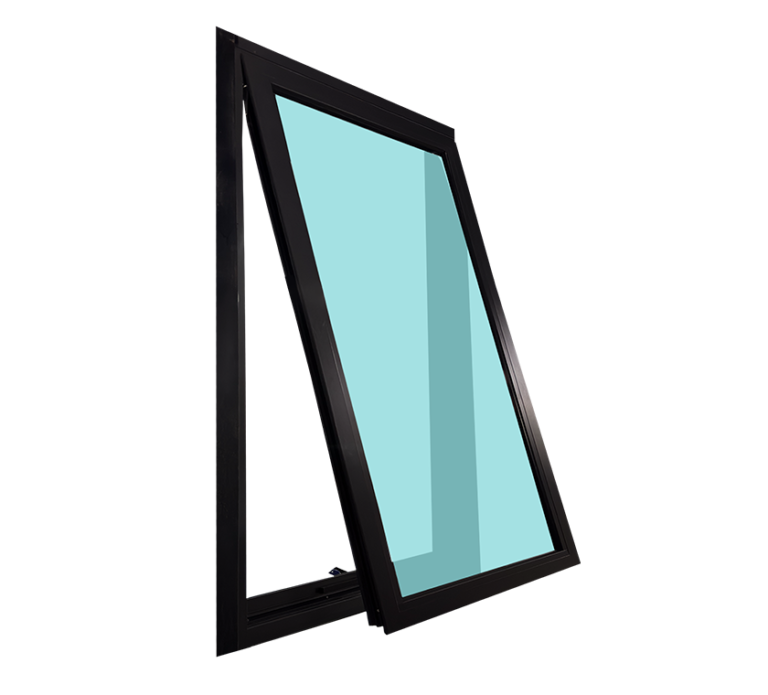
MC100 Awning Window
- Multi-chamber thermal break profile
- Outward-opening sash, operable in rain
- Chain winder or friction stay opener
- Uw: as low as 1.4 W/m²·K
- Heating stars: 8–9
MC140 Sliding Door
- 140 mm profile depth for large panel sizes
- Multi-point locking
- Uw: as low as 1.6 W/m²·K
- Panel capacity: up to 400 kg per leaf
All MC Windows & Doors products are tested by NATA-accredited laboratories (Azuma, NATA, INTERTEK) and carry full compliance documentation including test reports, WERS performance data, and BASIX/NatHERS guidance.
7. Common Mistakes When Reading WERS Ratings
Mistake 1: Choosing the Highest Rating Automatically
The highest WERS rating is not always the most suitable. A window with 10 heating stars and 3 cooling stars is ideal for Hobart but counterproductive in Darwin. The correct choice depends on the building’s climate zone and orientation.
Mistake 2: Looking Only at One Number
Energy performance requires considering U-value, SHGC, and both star ratings together. A window with an excellent U-value but high SHGC will cause summer overheating on western elevations. A window with low SHGC but poor U-value will lose excessive winter heat in cool climates.
Mistake 3: Ignoring Orientation
The same window can perform very differently depending on which elevation it faces. North-facing windows benefit from higher SHGC for passive solar heating, while west-facing windows need lower SHGC to prevent summer overheating.
Mistake 4: Ignoring Installation Quality
Even a 10-star WERS-rated window will underperform if installed poorly. Gaps around the reveal, inadequate flashing, and thermal bridges at the wall-frame junction can degrade actual performance significantly below the rated value.
8. How to Verify a WERS Rating
WERS ratings are third-party certified and publicly verifiable. To check any manufacturer’s claims:
- Ask for the WERS certificate number for the specific product configuration
- Verify the certificate on the AGWA website or AFRC register
- Confirm that the certificate covers the exact frame profile, glass type, and opening configuration being supplied — not just a similar product from the same manufacturer
- Check the certificate date to ensure the rating is current
Frequently Asked Questions
1. What does WERS stand for?
WERS stands for Window Energy Rating Scheme. It is Australia’s national energy rating system for windows and glazed doors, administered by the Australian Glass and Window Association (AGWA) and accredited by the Australian Fenestration Rating Council (AFRC).
2. What is a good WERS rating for Australian windows?
A good WERS rating depends on your climate zone. For 7-star NatHERS compliance in temperate zones (Sydney, Melbourne), look for heating stars of 7–9 and cooling stars of 4–6, with a whole-window U-value of 1.6 W/m²·K or lower. In hot climates, prioritise cooling stars of 7+ and SHGC below 0.3.
3. Is WERS mandatory in Australia?
WERS itself is voluntary, but the underlying performance requirements it measures (U-value and SHGC compliance with NCC 2022 energy efficiency provisions) are mandatory. Most builders and certifiers require WERS certificates as evidence of compliance, and AGWA membership effectively requires participation.
4. What is the difference between U-value and SHGC?
U-value measures the rate of heat transfer through the window (lower is better — less heat loss in winter, less heat gain in summer). SHGC measures how much solar radiation passes through as heat (lower reduces summer heat gain; higher allows beneficial winter solar warmth). Both are measured for the complete window system, not just the glass.
5. How many stars do I need for 7-star NatHERS?
There is no single star requirement — NatHERS compliance is assessed for the whole building, not individual windows. However, in most Australian climate zones, achieving 7-star NatHERS typically requires windows with heating performance of 7+ stars and whole-window U-values of 1.6–2.0 W/m²·K or lower, paired with appropriate SHGC values for orientation.
6. Can I use WERS ratings for commercial buildings?
WERS is designed for residential windows. Commercial buildings (Class 2–9) fall under NCC Volume One, Section J, which uses different compliance pathways including the NCC facade calculator and Section J glazing calculator. However, the underlying U-value and SHGC figures from WERS-rated products can be used as inputs for commercial compliance calculations.
Conclusion
WERS is the most reliable and transparent tool available for comparing window energy performance in Australia. Understanding how to read a WERS label — considering both star ratings, U-value, SHGC, and your specific climate zone — is essential for specifying windows that satisfy NCC 2022 requirements, achieve 7-star NatHERS ratings, and deliver genuine comfort and energy savings over the life of the building.
For builders and homeowners seeking WERS-certified aluminium window and door systems, MC Windows & Doors offers 19 AGWA-rated energy systems with U-values as low as 1.2 W/m²·K, backed by 40+ international certifications. Contact Annly@mcwindow.com.au or +61 490 141 931 for product specifications, WERS certificates, and project-specific compliance documentation.
References
- Australian Glass and Window Association (AGWA). Window Energy Rating Scheme (WERS). Available at: agwa.com.au
- Australian Fenestration Rating Council (AFRC). Rating protocols and certified product directory.
- Australian Building Codes Board. (2022). National Construction Code 2022 — Energy Efficiency Provisions.
- Australian Building Codes Board. NCC 2022 Glazing Calculator (Volume One and Volume Two). Available at: ncc.abcb.gov.au
- Standards Australia. (2014). AS 2047:2014 — Windows and external glazed doors in buildings.
- MC Windows & Doors. Compliance & Credentials. Available at: mcwindow.com.au
Related Articles
Benefits of Ultra Slim Sliding Doors for Modern Australian Homes
Ultra slim sliding doors provide larger glass areas, narrower aluminium sightlines and a stronger connection…
Melbourne Aluminium Awning Windows: Stylish and Practical for Every Space
Aluminium is a lightweight yet durable material, making these windows resistant to corrosion and ideal…
Why Adelaide Developers Prefer These Chinese AS2047 Sunroom Suppliers
Why Adelaide Developers Prefer These Chinese AS2047 Sunroom Suppliers In Adelaide, sunrooms and enclosed alfresco…