Residential Front Door and Pivot Door Specifications: Security, Thermal Performance and Architectural Impact
MC
Author
2026-08-19
Published
7 min read
Reading time
The front door is the first thing visitors touch and the last line of defence against intruders, weather and noise. In Australian homes, entry doors must satisfy security, energy efficiency, weather resistance and accessibility requirements while also contributing to street appeal. Pivot doors have become a signature architectural element in contemporary residential design, offering oversized panels, smooth operation and dramatic visual presence. This guide explains how to specify residential front doors and pivot doors for Australian conditions, covering materials, hardware, seals, glazing, compliance and brand options.
Why the Front Door Matters More Than Ever
A front door performs multiple functions simultaneously. It controls heat flow, blocks noise, resists forced entry, seals against wind-driven rain and provides a barrier during bushfires. It also creates a first impression. A poorly specified door can increase heating and cooling costs, reduce security, allow water ingress and detract from the home’s value.
Australian building codes have tightened energy and accessibility requirements over the past decade. The NCC now expects new homes to achieve higher thermal performance, which means doors must have low U-values and effective perimeter seals. At the same time, demand for large, statement pivot doors has grown as architects and homeowners seek bold, minimalist entries.
Balancing these priorities requires an integrated approach: selecting the right core material, frame, infill, hardware, seals and installation details.
Door Materials: Timber, Aluminium, Steel and Composite
Residential entry doors are available in several material categories, each with distinct advantages.
| Material | Thermal performance | Security | Maintenance | Typical applications |
|---|---|---|---|---|
| Solid timber | Moderate; can warp in harsh sun | Good with quality locks | Requires periodic staining or painting | Traditional and heritage homes |
| Aluminium | Excellent when thermally broken | Very good with multi-point locking | Low; powder-coated finishes last decades | Modern homes, coastal and bushfire zones |
| Steel | Poor without thermal break; can sweat | Excellent | Low; may require anti-corrosion treatment in coastal areas | High-security and industrial-style entries |
| Fibreglass composite | Good; stable dimensionally | Good | Very low | Cost-effective modern replacements |
| Aluminium-clad timber | Excellent | Very good | Low exterior, moderate interior | Premium residential projects |
Aluminium has become the dominant material for high-performance Australian front doors. It is lightweight, strong, corrosion-resistant and compatible with thermal breaks. Powder-coated aluminium finishes resist UV degradation and salt spray, making them ideal for coastal environments. MEICHEN manufactures aluminium entry and pivot door systems with 2.0 mm wall-thickness profiles, PA66 thermal breaks and multi-point locking, delivering a combination of strength, efficiency and low maintenance.
Pivot Doors vs Hinged Doors
A traditional hinged door is supported by two or three hinges on one jamb. A pivot door, by contrast, rotates on a set of pivot hinges located near the top and bottom of the door, typically offset from the edge. This geometry allows pivot doors to be much larger and heavier than hinged doors while operating with minimal effort.
Pivot doors offer several advantages for Australian residential architecture:
- Oversized panels: Pivot hardware can support doors up to 1,500 mm wide and 3,000 mm high, or even larger with engineered hardware.
- Minimalist aesthetic: A pivot door can appear to float within the frame, with no visible hinges along the edge.
- Smooth operation: Weight is distributed to the floor and head, making heavy doors feel balanced.
- Statement entry: Large pivot doors create a dramatic sense of arrival and maximise natural light when glazed.
The main considerations are cost, threshold detailing and weather sealing. Pivot doors require precision installation, including a recessed floor pivot and coordinated head pivot. The threshold must manage drainage while remaining accessible under AS 1428.1.
Thermal Performance and Energy Compliance
The NCC requires external doors to contribute to the building’s overall thermal performance. The key metric is the U-value, which measures heat transfer through the door assembly. Lower U-values indicate better insulation. Typical U-values for Australian residential entry doors range from 1.5 W/m²K for high-performance insulated aluminium doors to 4.0 W/m²K or higher for uninsulated steel or solid timber doors.
Strategies to improve U-value include:
- Thermally broken aluminium frames with polyamide strips.
- Insulated cores such as polyurethane foam or honeycomb aluminium.
- Double-glazed side lights and top lights.
- Compression seals and drop-down bottom seals.
- Low-E glass in any door glazing.
MEICHEN’s aluminium entry and pivot door systems are engineered with thermal breaks and can accommodate insulated cores and double glazing. When combined with appropriate seals, these doors help new homes meet BASIX, NatHERS and NCC Section J requirements.
Security Standards and Hardware
Front doors are a primary target for forced entry. Australian security standards provide a framework for selecting robust hardware:
- AS 4145.2: Locksets and hardware for doors in buildings.
- AS 5039: Security screen doors and security window grilles.
- AS 5040: Installation of security screen doors and window grilles.
- AS 2345: Automatic closers for fire and smoke doors.
A secure front door should include:
- A mortice lock or lockset tested to AS 4145.2 with a minimum security grade.
- A deadbolt with at least 25 mm throw.
- Multi-point locking with bolts or hooks at multiple heights.
- Hinge bolts or security hinges to resist forced separation.
- A viewer or electronic access device.
- A solid core or reinforced panel construction.
For pivot doors, the pivot hardware itself must be security-rated. Floor and top pivots should be concealed or tamper-resistant, and the locking edge should engage with a robust strike plate and keepers.
Weather Sealing and Water Ingress Control
Australian front doors must resist driving rain, dust and wind. The NCC references AS 2047 for windows and glazed doors, and AS 4420 for windows, external glazed doors and louvres. These standards define performance classes for air infiltration, water penetration and structural strength.
Key sealing elements include:
- Perimeter compression seals: Continuous bulb or fin seals around the door frame.
- Door bottom seals: Automatic drop-down seals or brush strips to close the gap beneath the door.
- Corner seals: Joints between frame head and jambs must be sealed to prevent water tracking.
- Threshold drainage: Recessed thresholds with drainage slots keep water outside while minimising trip hazards.
For exposed coastal or cyclone locations, specifiers should select doors tested to the appropriate wind classification and water penetration rating. MEICHEN’s door systems are developed for Australian coastal conditions and can be configured with W4 water resistance and C4 wind ratings when required.
Glazing in Front Doors and Side Lights
Glazed door panels and side lights add natural light and visual connection but introduce security, thermal and safety considerations. AS 1288 mandates Grade A safety glazing for all door glazing and adjacent side lights within 1,200 mm of a door edge. Laminated glass is the most common choice because it holds together when broken.
Designers can choose from several glazing options:
- Clear laminated glass: Maximises light and visibility.
- Toned or reflective glass: Reduces solar heat gain and glare.
- Low-E double glazing: Improves thermal performance and reduces condensation.
- Frosted or patterned glass: Provides privacy while admitting light.
- Switchable smart glass: Offers on-demand privacy at a premium price.
For high-end pivot doors, oversized laminated glass panels can be combined with narrow aluminium stiles to create a striking contemporary entry. MEICHEN’s pivot door systems can accommodate large glass panels and custom handle designs while maintaining structural and weather performance.
Accessibility and NCC Requirements
The NCC includes accessibility provisions for Class 1b, Class 2 and Class 3 buildings, as well as certain Class 1a buildings under state variations. AS 1428.1 sets out detailed requirements for doorways, including:
- Minimum clear opening width of 820 mm.
- Maximum threshold height of 12 mm, with bevelled edges.
- Lever-style handles that do not require fine finger control.
- Door opening forces within specified limits.
- Vision panels in certain door types.
Pivot doors can meet accessibility requirements if the threshold is carefully detailed and the clear opening width is maintained. However, some pivot configurations create a narrow strike-side gap when open, which designers should address to avoid trapping hazards.
Bushfire and Cyclone Considerations
In bushfire-prone areas, entry doors must comply with AS 3959. Metal doors with bushfire-rated seals and toughened or laminated glass are typically required for BAL-12.5 through BAL-40. BAL-FZ may require a fire-rated door assembly tested to AS 1530.4.
In cyclone regions, doors must resist wind-borne debris and high wind pressures. This usually means:
- Cyclone-rated hardware and multi-point locking.
- Impact-resistant glazing or protective screens.
- Robust frames anchored deeply into the structure.
- Positive and negative wind pressure ratings to AS/NZS 1170.2.
MEICHEN’s aluminium framing systems can be engineered for both bushfire and cyclone applications, with documentation to support Development Approval and Building Approval submissions.
Pivot Door Hardware and Engineering
Pivot door hardware is the heart of the system. Specifiers should choose hardware from recognised manufacturers such as FritsJurgens, Dorma, Bommer or similar, rated for the door’s weight, width and intended use. Key parameters include:
- Load capacity: Typically 75 kg to 500 kg or more per pivot set.
- Offset: The distance from the pivot axis to the door edge, usually 70–200 mm.
- Hold positions: Many pivot systems include 90-degree hold-open and soft-close functions.
- Floor preparation: Floor pivots require a recessed floor plate or sub-floor reinforcement.
- Acoustic and smoke seals: Integrate seals without binding the pivot action.
Because pivot doors are heavier than hinged doors, the surrounding structure must be engineered to carry the loads. Timber-framed walls may need additional noggins and packers; steel or concrete frames may need welded plates. Coordination between the architect, engineer and joiner is essential.
MEICHEN Residential Front Door and Pivot Door Solutions
MEICHEN Windows & Doors offers aluminium front door and pivot door systems for Australian residential and commercial projects. Drawing on the company’s AS 2047 and NZS 4211 certification experience, MEICHEN provides:
- Custom aluminium pivot door systems with 2.0 mm structural profiles, thermal breaks and compatibility with large laminated glass panels.
- Hinged entry door suites with multi-point locking, concealed hinges and compression seals.
- Integrated side lights and top lights with double glazing, Low-E coatings and AS 1288 safety glass.
- Bushfire and cyclone-rated options engineered to AS 3959 and AS/NZS 1170.2.
- Project support including shop drawings, structural calculations, hardware schedules and export documentation.
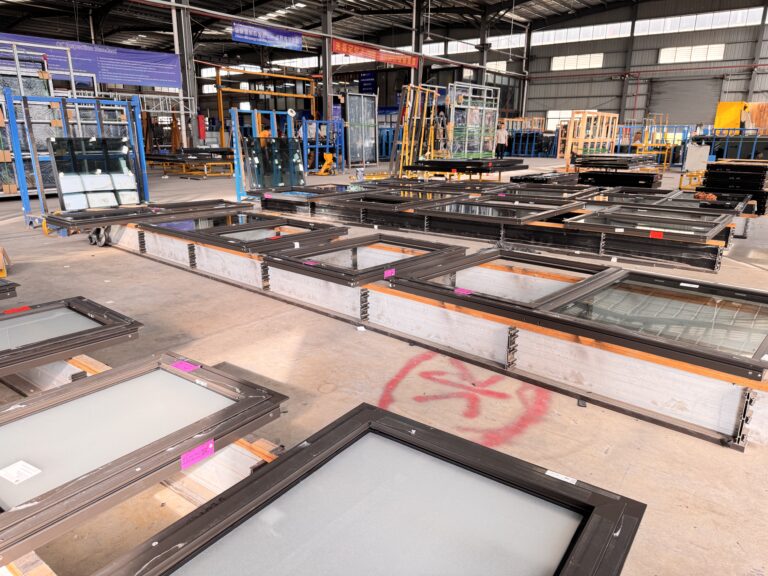
MEICHEN’s systems are manufactured in Guangdong, China, with quality control processes that include pre-assembly checks, glass scheduling and corrosion testing. The company supplies Australian builders, developers and architects with factory-direct pricing and 7×16 hour technical support.
Frequently Asked Questions
1. What is the minimum size for a residential front door in Australia?
The NCC generally requires a minimum clear opening width of 820 mm for accessible doorways, although standard hinged front doors are often 860–920 mm wide. Pivot doors can be much larger, commonly 1,000–1,500 mm wide, depending on structural support and hardware capacity.
2. Are pivot doors more secure than hinged doors?
Security depends on the locking hardware and construction rather than the hinge type. A well-engineered pivot door with multi-point locking, concealed tamper-resistant pivots and a reinforced frame can be highly secure. Always specify hardware tested to AS 4145.2 or equivalent.
3. Can a pivot door be thermally efficient?
Yes, provided the door uses thermally broken aluminium framing, an insulated core and effective perimeter seals. Double-glazed side lights and Low-E glass further improve the overall entry assembly U-value.
4. Do front doors need bushfire rating in Australia?
In bushfire-prone areas classified under AS 3959, entry doors must be constructed from bushfire-resistant materials and may require specific glazing and seals. BAL-12.5 to BAL-40 typically require metal-framed doors with toughened or laminated glass. BAL-FZ may require a fire-rated door assembly.
5. What maintenance does an aluminium front door require?
Aluminium doors require minimal maintenance. Powder-coated finishes should be washed with mild detergent and water every six months, and hardware should be lubricated annually. Hinges, locks and seals should be inspected for wear, particularly in coastal environments where salt can accelerate corrosion.
Conclusion
The front door is both a functional barrier and an architectural statement. Specifiers must balance security, thermal performance, weather resistance, accessibility and aesthetics within a single assembly. Aluminium pivot doors offer a contemporary solution for oversized entries, while thermally broken hinged doors remain the practical choice for many residential projects. By referencing Australian Standards such as AS 2047, AS 1288, AS 3959 and AS 1428.1, and by selecting certified systems with documented performance, Australian builders can deliver front doors that protect occupants, comply with the NCC and enhance kerb appeal. MEICHEN’s aluminium front door and pivot door systems provide the engineering depth, certification support and export experience needed to realise high-performance entry solutions for the Australian market.
Related Articles

Aluminium Windows and Doors Production: The Perfect Choice for Enhancing Your Home in Australia and New Zealand
If you’re looking to enhance the aesthetic and functionality of your home, aluminium windows and…
Setting the Standard for Sliding Doors in Australian Homes
Hume Doors has become a prominent name in the Australian market, renowned for its exceptional…
Benefits of Choosing Aluminium Windows and Doors Directly from Factories in Sydney
Sourcing aluminium windows and doors directly from factories offers several benefits for Sydney builders, ranging…