Understanding Heritage Listed Homes in Australia: Rules, Restrictions and Renovation Opportunities
admin
Author
2026-07-31
Published
5 min read
Reading time
Owning a heritage listed home in Australia is a unique experience.
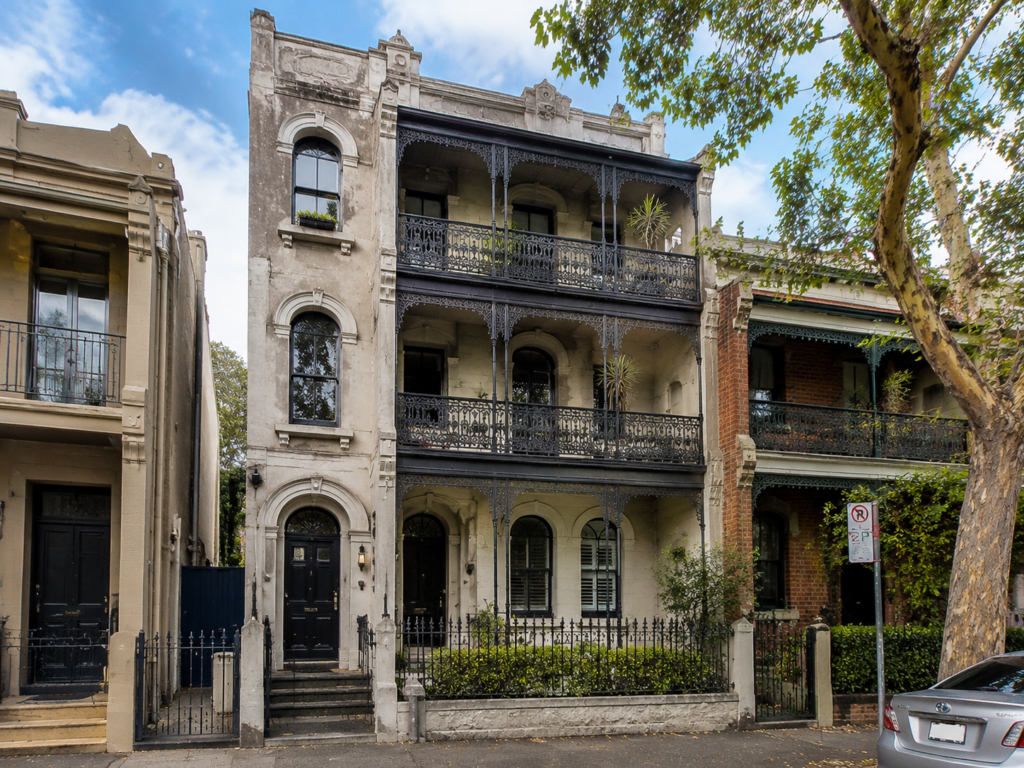
These properties represent important parts of Australia’s architectural, cultural and social history. From Victorian terraces and Federation houses to Queenslander homes and Edwardian residences, heritage properties provide a connection between past generations and modern communities.
However, many homeowners have questions after purchasing a heritage listed property:
- Can I renovate my heritage home?
- Can I replace old windows and doors?
- Can I add an extension?
- Can I improve energy efficiency?
- What changes require approval?
The answer is that heritage listing does not mean a home must remain unchanged forever.
Instead, heritage controls aim to ensure that changes are carefully planned so the important character of the property is protected.
A successful heritage renovation allows homeowners to enjoy modern comfort while preserving architectural significance.
The goal is:
Protect the past. Improve the present. Prepare for the future.
What Does Heritage Listed Mean?
A heritage listed home is a property recognised as having historical, architectural, cultural or environmental significance.
Heritage listing means that certain characteristics of the property are considered important and should be protected.
These characteristics may include:
- Building design
- External appearance
- Original materials
- Architectural details
- Relationship with surrounding buildings
- Historical associations
Heritage listing does not necessarily mean the property cannot be changed.
It means changes must be considered carefully.
Why Are Homes Heritage Listed?
Properties may receive heritage protection because they represent:
Architectural Importance
The building may demonstrate a significant architectural style, such as:
- Victorian
- Federation
- Edwardian
- Queenslander
- Art Deco
Historical Importance
The property may be connected to:
- Important events
- Historical figures
- Community development
- Local history
Social and Cultural Value
Some homes represent the lifestyle, construction methods and communities of earlier generations.
Different Types of Heritage Protection in Australia
Heritage controls vary depending on the location and level of significance.
1. Local Heritage Listing
Most heritage homes in Australia are protected at the local council level.
Local heritage listings usually focus on:
- External appearance
- Street-facing elements
- Significant architectural features
Councils may provide specific guidelines for renovations.
2. State Heritage Listing
Some properties have importance beyond their local area.
State heritage listed properties generally have stricter controls and may require additional approvals.
3. Heritage Conservation Areas
Some neighbourhoods are protected because the overall streetscape has heritage value.
Even if an individual house is not listed, changes may still need to consider:
- Building appearance
- Front façades
- Materials
- Scale and proportions
Does Heritage Listing Stop Renovations?
A common misunderstanding is that heritage listing prevents renovation.
This is not correct.
Many heritage properties are successfully renovated every year.
Appropriate improvements may include:
- Restoring damaged features
- Improving energy efficiency
- Upgrading windows and doors
- Renovating kitchens and bathrooms
- Adding carefully designed extensions
The important factor is whether the renovation respects the heritage significance of the property.
Common Heritage Renovation Restrictions
Heritage controls commonly focus on visible external changes.
1. Window Replacement Restrictions
Windows are one of the most carefully considered elements because they strongly influence the appearance of a heritage home.
Assessment may consider:
- Window style
- Frame proportions
- Opening method
- Glass division
- Colour
- Visibility from the street
For example:
A traditional Federation home may require window designs that maintain vertical proportions and decorative characteristics.
2. Door Replacement Considerations
Front doors often contribute significantly to heritage character.
Important factors include:
- Door proportions
- Material appearance
- Decorative elements
- Glazing style
- Hardware details
3. External Alterations
Changes that may require approval include:
- Adding new openings
- Changing façades
- Altering verandahs
- Roof modifications
- External extensions
4. Demolition Controls
In some cases, heritage controls may restrict:
- Full demolition
- Removal of significant structures
- Major façade changes
How to Renovate a Heritage Home Successfully
A successful heritage renovation usually follows several principles.
Step 1: Understand the Heritage Significance
Before planning changes, homeowners should identify:
- Which features are important
- Which areas can be modified
- What approvals may be required
Understanding the property’s significance helps guide better decisions.
Step 2: Preserve Important Original Features
Original features that contribute to character may include:
- Windows
- Doors
- Brickwork
- Timber details
- Verandahs
- Decorative elements
Where practical, these should be repaired or preserved.
Step 3: Upgrade Performance Carefully
Many heritage homes need improvements in:
- Thermal comfort
- Weather resistance
- Energy efficiency
- Security
Modern solutions can often be introduced without changing the appearance.
Heritage Windows: A Key Renovation Decision
Windows are often the most important upgrade area.
Older heritage windows may have issues such as:
- Single glazing
- Air leakage
- Poor weather sealing
- Difficult operation
- High maintenance
Modern replacement solutions can improve:
- Comfort
- Energy efficiency
- Noise reduction
- Security
Aluminium Windows in Heritage Renovations
Modern aluminium windows are increasingly used in heritage renovation projects because they combine:
Traditional Appearance
With:
- Slim profiles
- Custom designs
- Heritage-compatible colours
- Appropriate proportions
Modern Performance
Including:
- Double glazing compatibility
- Improved sealing
- Better weather resistance
- Enhanced security
Long-Term Durability
Aluminium provides resistance against:
- Rot
- Termites
- Moisture
- UV exposure
- Corrosion
This makes it suitable for many Australian environments.
Heritage Homes and Energy Efficiency
Many homeowners believe heritage homes cannot achieve modern energy performance.
However, carefully planned upgrades can significantly improve comfort.
Common improvements include:
High Performance Windows
Upgrade options include:
- Double glazing
- Low-E glass
- Laminated glass
- Improved seals
Better Insulation
Improvements can be made to:
- Roof spaces
- Walls
- Floors
Improved Ventilation
Modern solutions can maintain natural airflow while improving control.
Heritage Renovation Opportunities
A heritage listed home can offer many opportunities.
Modern renovation can create:
Better Living Spaces
Including:
- Open kitchens
- Modern bathrooms
- Larger family areas
Stronger Indoor-Outdoor Connections
Using:
- Aluminium sliding doors
- Bifold doors
- Large glazed openings
Improved Property Value
Well-executed heritage renovations can enhance:
- Lifestyle appeal
- Long-term usability
- Architectural value
Common Mistakes Homeowners Should Avoid
Mistake 1: Replacing Character Features Without Assessment
Some original elements may have significant value.
Mistake 2: Choosing Products Based Only on Price
Heritage projects require quality solutions that perform over decades.
Mistake 3: Ignoring Design Compatibility
A modern product should complement the home’s architectural style.
Mistake 4: Forgetting Future Maintenance
The best renovation solutions should consider long-term ownership costs.
Heritage Renovation Solutions from MEICHEN Windows&Doors
At MEICHEN Windows&Doors, we understand that heritage renovation requires a careful balance between preservation and modern performance.
Our aluminium window and door systems are designed for Australian and New Zealand residential projects where quality, durability and design compatibility are essential.
Our solutions include:
- Custom aluminium heritage windows
- Slim frame systems
- High-performance glazing options
- Sliding door solutions
- Bifold door systems
- Durable powder-coated finishes
- Project-specific manufacturing
MEICHEN works with homeowners, builders and architects to create window and door solutions that respect heritage architecture while improving everyday comfort.
Frequently Asked Questions
Can you renovate a heritage listed home?
Yes. Heritage listing controls how changes are made, but many renovations are possible with appropriate planning.
Can heritage homes have modern windows?
Yes. Modern windows can be suitable when their design respects the architectural character of the property.
Do heritage homes need to stay exactly the same?
No. Heritage protection focuses on preserving significant characteristics, not preventing all changes.
Conclusion
Heritage listed homes represent an important connection to Australia’s architectural history.
Owning one does not mean living without modern comfort.
With thoughtful planning, suitable materials and experienced professionals, heritage properties can be transformed into homes that offer:
Historic beauty + Modern performance + Future-ready living
The best heritage renovations do not erase history.
They allow history to continue.
About MEICHEN Windows&Doors
MEICHEN Windows&Doors is a professional aluminium windows and doors manufacturer specialising in customised solutions for Australian and New Zealand residential, architectural and heritage renovation projects.
With advanced manufacturing technology, strict quality control and customised production capabilities, MEICHEN provides high-performance window and door systems designed to preserve heritage character while meeting modern building expectations.
Related Articles
Which China-Based AS2047 Certified Factories Can Supply Large-Scale Floor-to-Ceiling Window Projects in Adelaide, Australia?
Adelaide’s architecture is shifting toward openness and natural light. Floor-to-ceiling windows have become a hallmark…
Why AS2047-Certified Slimline Windows Have Become a Sydney Architectural Favorite
In Sydney’s modern architecture, slimline windows have become a defining feature of high-end homes and…
Why Architectural Details Matter in Heritage Home Renovations
Heritage homes are valued not only because they are old, but because they tell a…