Victorian Homes Australia: Architectural Features and Modern Renovation Guide
admin
Author
2026-07-31
Published
5 min read
Reading time
Victorian homes are among the most recognisable and treasured heritage properties in Australia.
With their decorative façades, high ceilings, intricate details and strong street presence, Victorian houses represent an important chapter in Australia’s residential architecture.
From the famous terrace houses of Melbourne to historic suburban cottages across Sydney, Adelaide and Brisbane, Victorian homes continue to attract homeowners who appreciate:
- Traditional craftsmanship
- Architectural character
- Historical significance
- Established neighbourhoods
- Unique design details
However, many Victorian homes were built more than 100 years ago, long before modern expectations for energy efficiency, security and low-maintenance living existed.
Today’s challenge is not simply restoring these homes—it is adapting them for contemporary lifestyles while preserving the features that make them special.
A successful Victorian renovation achieves the ideal balance:
Victorian character + Modern performance + Comfortable living
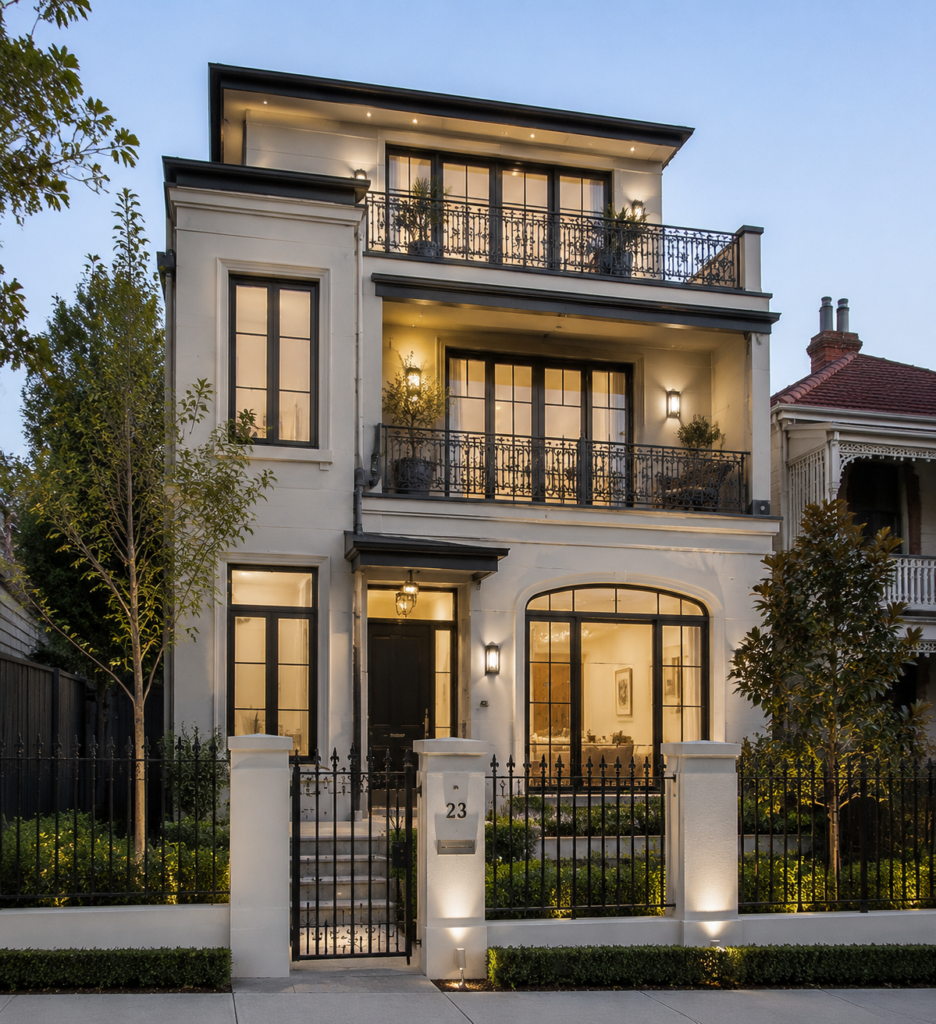
What Is a Victorian Home?
Victorian homes refer to residential buildings constructed mainly during the Victorian era, which in Australia generally covers:
Approximately 1840s to 1900s
The style developed during the reign of Queen Victoria in Britain and was adapted to Australian conditions through local materials, climate considerations and available craftsmanship.
Victorian architecture became especially popular during periods of rapid urban growth, including the gold rush era.
The History of Victorian Homes in Australia
During the 19th century, Australia’s cities experienced significant population growth.
New suburbs developed rapidly, creating demand for residential housing.
Victorian homes became popular because they offered:
- Practical family layouts
- Decorative architectural expression
- Strong street identity
- Adaptation to Australian climate
Cities such as Melbourne developed some of the world’s largest collections of Victorian-era residential architecture.
Today, many Victorian homes are protected through heritage controls because they contribute significantly to Australia’s cultural landscape.
Key Features of Victorian Homes
Victorian homes are recognised by several distinctive architectural elements.
1. Decorative Brick Facades
Brick is one of the defining materials of Victorian homes.
Common features include:
- Red brick walls
- Decorative brick patterns
- Contrasting brick detailing
- Arched openings
- Rendered sections
The façade often creates a strong sense of craftsmanship and permanence.
2. Ornamental Roof Designs
Victorian homes frequently feature detailed roof elements.
These may include:
- Steep roof pitches
- Decorative gables
- Cast iron details
- Terracotta tiles
- Roof finials
The roof contributes strongly to the home’s overall character.
3. Front Verandahs
Many Victorian homes feature prominent verandahs.
They provide:
- Weather protection
- Outdoor living space
- Architectural decoration
- Transition between street and home
Decorative verandah elements may include:
- Cast iron lacework
- Timber posts
- Decorative brackets
- Balustrades
4. High Ceilings and Traditional Interiors
Inside Victorian homes, common features include:
- High ceilings
- Ceiling roses
- Decorative cornices
- Timber floors
- Fireplaces
- Traditional room layouts
These details create a sense of craftsmanship rarely found in standard modern housing.
5. Victorian Windows
Windows are one of the most important features of Victorian architecture.
Typical characteristics include:
- Tall vertical proportions
- Double hung windows
- Timber frames
- Decorative glazing
- Multiple panes
Windows were designed to provide ventilation, daylight and visual elegance.
Challenges of Renovating Victorian Homes
Although Victorian homes are beautiful, renovation requires careful planning.
Challenge 1: Preserving Heritage Character
The biggest challenge is maintaining the architectural identity.
Important features may include:
- Original windows
- Front doors
- Brickwork
- Decorative trims
- Verandahs
- Roof details
Removing these elements without consideration can significantly reduce the home’s heritage value.
Challenge 2: Improving Thermal Performance
Many Victorian homes were built before modern energy efficiency standards.
Common problems include:
- Single-glazed windows
- Poor insulation
- Drafts
- Uneven temperatures
- Higher heating and cooling costs
Modern upgrades can improve comfort while preserving appearance.
Challenge 3: Creating Modern Living Spaces
Victorian homes often have traditional layouts with:
- Separate rooms
- Smaller kitchens
- Limited connection to gardens
Modern homeowners often want:
- Open-plan living
- Larger kitchens
- More natural light
- Indoor-outdoor entertaining areas
Many successful renovations preserve the original front rooms while adding contemporary living spaces at the rear.
Victorian Window Renovation Solutions
Windows are often the most important upgrade decision.
The replacement solution must consider both appearance and performance.
Restoring Original Timber Windows
Where original timber windows remain structurally sound, restoration can be a valuable approach.
Benefits include:
- Maintaining authenticity
- Preserving original craftsmanship
- Protecting heritage character
However, timber windows may require ongoing maintenance.
Typical requirements include:
- Repainting
- Sealing
- Timber repairs
- Hardware maintenance
Modern Aluminium Windows for Victorian Homes
Modern aluminium windows are increasingly being considered for Victorian renovation projects.
When designed correctly, they can provide:
Heritage-Compatible Appearance
Features include:
- Slim frame profiles
- Traditional proportions
- Appropriate colours
- Custom configurations
Improved Weather Performance
Modern aluminium systems provide:
- Better sealing
- Reduced air leakage
- Improved water resistance
- Enhanced durability
Energy Efficiency Improvements
With suitable glazing options, aluminium windows can support:
- Double glazing
- Low-E glass
- Laminated glass
- Acoustic glazing
This helps Victorian homes achieve modern comfort levels.
Victorian Door Renovation
The front door is one of the most recognisable elements of a Victorian home.
Traditional Victorian doors often feature:
- Timber panels
- Decorative glass
- Side lights
- Strong symmetry
- Ornamental hardware
Where possible, original doors should be preserved.
For new extensions, modern aluminium doors can provide:
- Large glazed openings
- Better security
- Weather resistance
- Easy operation
Popular choices include:
- Sliding doors
- Bifold doors
- Hinged doors
Modern Extensions for Victorian Homes
A common Victorian renovation strategy is:
Preserve the Original Street Appearance
Maintain:
- Front façade
- Verandah
- Traditional windows
- Entry features
Add Contemporary Living Areas
Rear extensions may include:
- Modern kitchens
- Open living spaces
- Large glass doors
- Outdoor entertainment areas
This creates a clear relationship between historic and modern design.
Why Aluminium Windows Are Suitable for Victorian Renovations
Modern aluminium systems offer several advantages.
Slim Profiles
Help maintain elegant Victorian proportions.
Custom Manufacturing
Allows solutions tailored to each property.
Durability
Resistant to:
- Moisture
- UV exposure
- Corrosion
- Termites
- Rot
Low Maintenance
Compared with timber, aluminium requires less ongoing care.
Modern Performance
Supports advanced glazing and hardware solutions.
Choosing the Right Window and Door Manufacturer
Victorian renovation projects require more than standard products.
A suitable manufacturer should understand:
- Heritage architectural styles
- Australian climate conditions
- Custom sizing requirements
- Glazing performance
- Installation quality
The right supplier helps ensure the final result respects both history and modern expectations.
Victorian Heritage Renovation Solutions from MEICHEN Windows&Doors
At MEICHEN Windows&Doors, we provide customised aluminium window and door solutions for Australian heritage renovation projects.
Our systems are designed to support homeowners, architects and builders seeking:
- Heritage-inspired designs
- Slim aluminium profiles
- Custom window configurations
- High-performance glazing options
- Durable powder-coated finishes
- Long-term weather resistance
By combining precision manufacturing with modern aluminium technology, MEICHEN helps transform Victorian homes into comfortable, high-performance residences while preserving their architectural identity.
Frequently Asked Questions
Are Victorian homes expensive to renovate?
They can require more planning and specialist work than standard homes, but their architectural value often makes renovation worthwhile.
Can Victorian homes have modern extensions?
Yes. Many Victorian renovations successfully combine preserved heritage façades with contemporary rear additions.
Can aluminium windows replace Victorian timber windows?
Yes. With appropriate design, aluminium windows can replicate traditional proportions while providing improved durability and performance.
Conclusion
Victorian homes are an important part of Australia’s architectural heritage.
Their beauty comes from carefully designed details—the windows, doors, brickwork, verandahs and craftsmanship that define their era.
Modern renovation does not need to remove these qualities.
With thoughtful planning, appropriate materials and high-performance building solutions, Victorian homes can continue to provide beautiful and comfortable living spaces for future generations.
The future of Victorian renovation is not about choosing between history and modern life.
It is about creating a connection between both.
Preserve the past. Improve the present. Build for the future.
About MEICHEN Windows&Doors
MEICHEN Windows&Doors is a professional aluminium windows and doors manufacturer specialising in customised solutions for Australian and New Zealand residential, architectural and heritage renovation projects.
With advanced manufacturing technology, strict quality control and customised production capabilities, MEICHEN delivers high-performance window and door systems that help preserve architectural heritage while meeting modern building requirements.
Related Articles
Canberra Luxury Villas: Which Chinese Source Factories Can Directly Supply AS2047 Certified Windows and Doors?
In Canberra’s luxury villa market, developers demand high-performance windows and doors that combine aesthetic appeal…
North Shore Coastal Homes in Auckland: Peace of Mind with MC Windows & Doors NZS4211 Wind-Resistant Windows
Living by the sea on Auckland’s North Shore is a lifestyle many families desire—fresh ocean…
hy Choose Australia Aluminium Windows and Doors for Your Home Renovation?
When embarking on a home renovation project, one of the most critical decisions you’ll face…