The Complete Guide to Renovating an Australian Heritage Home
admin
Author
2026-07-27
Published
4 min read
Reading time
Renovating an Australian heritage home is both an exciting opportunity and a significant responsibility. Unlike renovating a modern house, a heritage project involves preserving architectural history while adapting the home to meet today’s expectations for comfort, safety, energy efficiency and functionality.
Whether you own a Victorian terrace in Melbourne, a Federation home in Sydney, an Edwardian residence in Adelaide or a Queenslander in Brisbane, every renovation decision should respect the original design while enhancing the property’s long-term performance.
One of the most important aspects of any heritage renovation is selecting the right windows and doors. These elements define the appearance of the home and play a major role in thermal efficiency, weather resistance, security and natural ventilation.
This guide outlines the key stages of renovating a heritage home and explains how modern aluminium window and door systems can successfully integrate with Australia’s historic architecture.
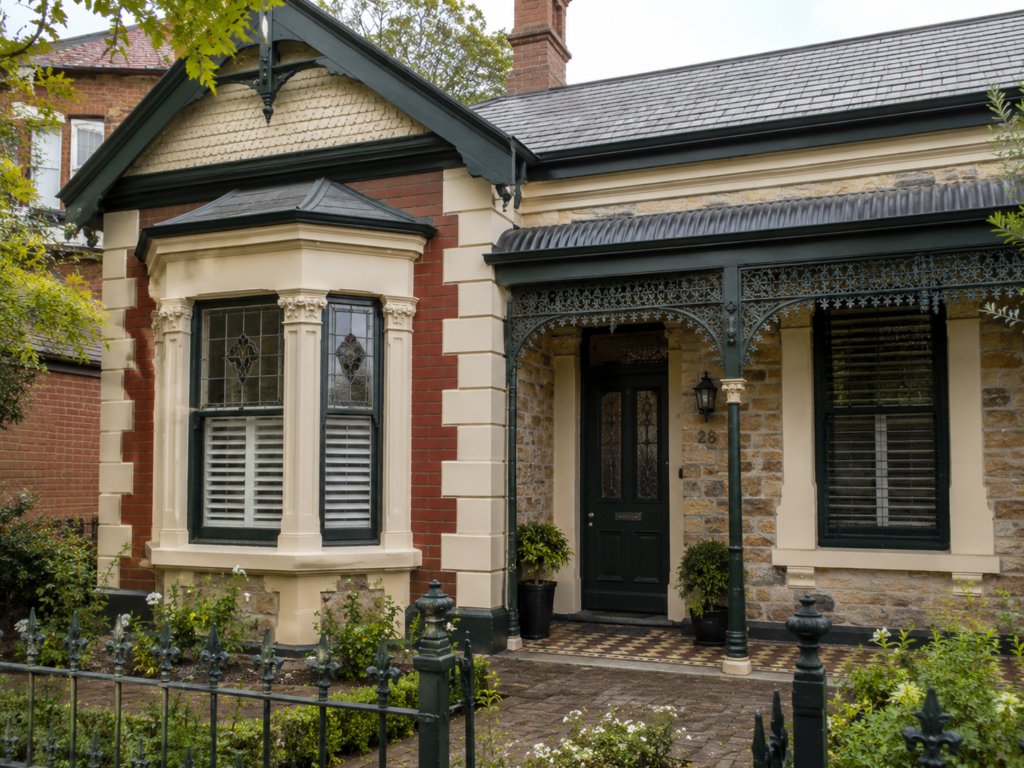
Why Heritage Renovations Are Different
Heritage homes are valuable because they reflect Australia’s architectural and cultural history. Their original design features often contribute to the character of an entire neighbourhood.
Unlike a standard renovation, heritage projects require careful consideration of:
- Architectural integrity
- Historical significance
- Streetscape appearance
- Local planning requirements
- Long-term preservation
Rather than replacing everything with modern materials, the goal is to preserve the home’s identity while improving its performance for contemporary living.
Step 1: Understand Your Property’s Heritage Status
Before beginning any renovation, determine whether your property is:
- Heritage listed
- Located within a Heritage Conservation Area
- Subject to local planning controls
- Protected by specific council guidelines
Depending on the property’s status, approval may be required before changing external features such as:
- Windows
- Doors
- Roof materials
- Verandahs
- Exterior colours
- Decorative architectural elements
Understanding these requirements early helps avoid delays and unexpected costs.
Step 2: Assess the Existing Condition of the Home
A detailed assessment provides the foundation for a successful renovation.
Areas that should be inspected include:
Structural Components
Check for:
- Foundation movement
- Wall cracks
- Timber deterioration
- Moisture damage
- Roof condition
Existing Windows
Older heritage windows often suffer from:
- Rotten timber
- Air leakage
- Broken seals
- Difficult operation
- Water penetration
- Single glazing
Although some windows can be restored, others may require replacement to meet modern performance expectations.
Existing Doors
Inspect for:
- Frame movement
- Weather damage
- Security issues
- Poor sealing
- Hardware wear
Upgrading doors can improve both security and energy efficiency while maintaining the home’s traditional appearance.
Step 3: Preserve the Home’s Original Character
One of the most important principles of heritage renovation is retaining the architectural elements that define the property’s identity.
Important features include:
- Original brickwork
- Decorative timber details
- Window proportions
- Roof forms
- Verandahs
- Entry doors
- Chimneys
- Leadlight glazing
Modern additions should complement these features rather than compete with them.
Successful heritage renovations often make it difficult to distinguish where the original building ends and the new extension begins.
Step 4: Improve Energy Efficiency Without Changing the Appearance
Many heritage homes were built long before modern energy efficiency standards.
Common problems include:
- Heat loss in winter
- Heat gain in summer
- Drafts around windows
- Poor insulation
- High energy consumption
Fortunately, many improvements can be made while maintaining the home’s traditional appearance.
Examples include:
- Double-glazed windows
- Improved weather seals
- High-performance glazing
- Roof insulation
- Floor insulation
- Better ventilation strategies
These upgrades enhance indoor comfort while reducing ongoing energy costs.
Step 5: Select Windows That Respect Heritage Architecture
Windows are often called the “eyes” of a heritage home because they have such a strong influence on its appearance.
When selecting replacement windows, consider the following factors.
Frame Proportions
The width and depth of the frame should reflect the original design as closely as possible.
Oversized modern frames can significantly alter the building’s visual balance.
Window Configuration
Maintain traditional opening styles whenever practical.
Common heritage window types include:
- Casement windows
- Double hung windows
- Awning windows
- Fixed windows
- Feature windows with decorative glazing
Consistency across the façade is essential.
Colour Selection
Window colours should harmonise with the home’s architectural style.
Popular choices include:
- White
- Cream
- Monument
- Woodland Grey
- Custom heritage colours
The correct finish can greatly enhance the authenticity of the renovation.
Step 6: Upgrade Doors for Modern Living
Many heritage renovations include new living spaces that connect with outdoor entertaining areas.
Modern aluminium doors can provide:
- Wider openings
- Better weather sealing
- Smooth operation
- Increased natural light
- Improved accessibility
Popular options include:
- Sliding doors
- Bifold doors
- Hinged doors
- French-style doors
When carefully designed, these systems create a natural transition between traditional architecture and contemporary living.
Why Aluminium Windows Are Increasingly Used in Heritage Renovations
Although timber has traditionally been associated with heritage homes, aluminium has become an increasingly popular choice for renovation projects.
Reasons include:
Long-Term Durability
Aluminium resists:
- Rot
- Termites
- Corrosion
- Moisture damage
This makes it particularly suitable for Australia’s diverse climates.
Minimal Maintenance
Unlike timber, aluminium generally does not require:
- Regular repainting
- Frequent repairs
- Ongoing sealing treatments
This reduces lifetime maintenance costs for homeowners.
Design Flexibility
Modern aluminium systems can be manufactured in a wide range of:
- Colours
- Frame profiles
- Opening styles
- Glass configurations
This flexibility makes it easier to achieve a heritage-inspired appearance while meeting modern performance requirements.
Common Mistakes During Heritage Renovation
Even well-intentioned projects can compromise a heritage home’s value if key details are overlooked.
Avoid these common mistakes:
Installing Windows That Look Too Modern
Large commercial-style frames or inappropriate glazing patterns can disrupt the architectural character of the home.
Ignoring Building Performance
Appearance is important, but windows and doors should also provide reliable weather resistance, thermal insulation and security.
Mixing Incompatible Styles
A Victorian façade paired with ultra-modern exterior detailing often creates visual inconsistency.
Choosing Products Based Only on Price
Low-cost products may not deliver the durability or quality required for long-term heritage projects.
Investing in well-designed systems usually provides better performance and a longer service life.
Heritage Renovation Solutions from MEICHEN Windows&Doors
At MEICHEN Windows&Doors, we recognise that every heritage project requires a balance between architectural authenticity and modern engineering.
Our aluminium window and door systems are developed for residential renovation projects across Australia and New Zealand, offering:
- Custom-made window and door solutions
- Slim frame profiles suited to heritage designs
- Double-glazing compatibility
- High weather performance
- Durable powder-coated finishes
- Flexible design options for architects and builders
Our team works closely with industry professionals to deliver products that support both heritage preservation and contemporary living standards.
Conclusion
A successful heritage renovation is about respecting the past while preparing a home for the future.
By carefully preserving original architectural features and integrating high-performance windows and doors, homeowners can enjoy improved comfort, lower maintenance and greater energy efficiency without losing the unique character that makes heritage homes so special.
Whether restoring a Federation house, updating a Victorian terrace or extending a Queenslander, thoughtful design and quality materials are the foundation of a renovation that will stand the test of time.
About MEICHEN Windows&Doors
MEICHEN Windows&Doors is a specialist manufacturer of premium aluminium windows and doors for residential, architectural and heritage renovation projects. Serving Australia, New Zealand and international markets, we combine advanced manufacturing technology with customised design solutions to help builders, architects and homeowners create beautiful, durable and high-performance living spaces.
Related Articles
Versatile and Weather-Resistant,Auckland Aluminium Casement Windows
Made with lightweight but strong aluminium frames, casement windows are built to withstand Auckland’s climate,…
Melbourne Aluminium Bifold Doors: Stylish and Functional Openings
These doors are ideal for connecting living rooms to patios, gardens, or balconies. Aluminium frames…
Why Perth Developers Choose AS2047 Engineering-Grade Windows for Large Projects
In Western Australia, Perth’s rapid development of residential estates, coastal homes, and commercial buildings has…