Australian Heritage Houses Explained: Styles, Features and Renovation Requirements
admin
Author
2026-07-27
Published
5 min read
Reading time
Australia’s residential architecture tells the story of the country’s history, climate, lifestyle and cultural development. Across cities and regional areas, thousands of heritage houses continue to showcase unique architectural styles developed during different periods of Australian history.
From the decorative details of Victorian terraces to the wide verandahs of Queenslander homes, each heritage house style has its own identity, construction methods and design philosophy.
For homeowners, builders and architects, renovating a heritage property requires more than simply upgrading materials. The goal is to create a home that delivers modern comfort, energy efficiency and durability while respecting the original architectural character.
Windows and doors play a particularly important role in heritage renovation projects because they strongly influence both the appearance and performance of a home.
This guide explores the major heritage house styles in Australia, their defining features, renovation considerations and how modern aluminium window and door solutions can support successful heritage restoration projects.
What Makes an Australian House a Heritage Property?
A heritage house is generally recognised because it has historical, architectural, cultural or environmental significance.
A property may be considered heritage due to:
- Unique architectural design
- Historical importance
- Age and originality
- Connection to local communities
- Representative value of a particular building era
Heritage protection can apply at different levels, including:
- Local council heritage registers
- State heritage listings
- National heritage registers
The requirements for renovation depend on the specific heritage classification and local regulations.
Some properties may require approval before changing external elements such as:
- Windows
- Doors
- Facade materials
- Roof structures
- Verandahs
- Decorative features
Therefore, understanding the architectural style of a heritage home is the first step before planning any renovation.
Major Heritage House Styles in Australia
Australia has developed several unique residential architectural styles. Each style reflects the period, climate and lifestyle needs of the time.
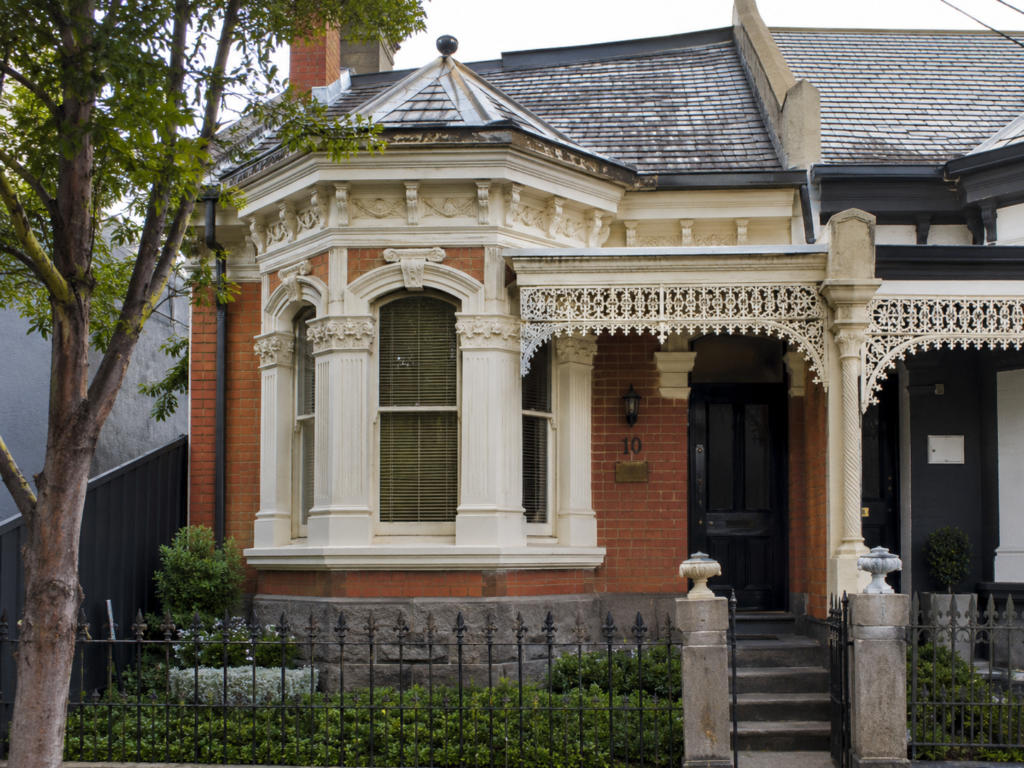
1. Victorian Heritage Houses (1840s–1900s)
Victorian homes are among the most recognisable heritage houses in Australia.
They became popular during the Victorian era when Australian cities experienced rapid growth and development.
Key Features of Victorian Homes
Typical Victorian houses include:
- Decorative brick facades
- High ceilings
- Ornamental trims
- Timber verandahs
- Bay windows
- Decorative window designs
- Cast iron details
- Patterned tiles
Many Victorian homes are found in:
- Melbourne
- Sydney
- Adelaide
- Regional Victoria
Victorian Home Renovation Considerations
The challenge when renovating Victorian houses is preserving the elegant traditional appearance while improving modern living standards.
Common upgrades include:
- Replacing outdated windows
- Improving insulation
- Installing energy-efficient glazing
- Upgrading doors
- Creating modern kitchen and living extensions
Windows are particularly important because Victorian architecture often relies on balanced proportions and detailed window arrangements.
Modern replacement windows need to maintain:
- Similar visual proportions
- Appropriate frame appearance
- Traditional opening styles
- Suitable colour finishes
2. Federation Heritage Houses (1890–1915)
Federation homes represent one of Australia’s most iconic architectural periods.
Developed around the time of Australia’s Federation, these homes combined traditional European influences with Australian materials and lifestyle requirements.
Key Features of Federation Homes
Common characteristics include:
- Red brick construction
- Large front verandahs
- Timber detailing
- Leadlight glass windows
- Decorative roof features
- Wide entrances
- Natural material finishes
Federation homes are especially common in:
- Sydney suburbs
- Melbourne suburbs
- Brisbane
- Adelaide
Federation Home Renovation Requirements
Many Federation homes today are extended to create larger modern living spaces.
Popular renovation improvements include:
- Open-plan living areas
- Rear extensions
- Indoor-outdoor connections
- Larger glass openings
- Modern kitchen areas
The challenge is ensuring new additions connect visually with the original building.
Modern aluminium sliding doors and bifold doors are often used in Federation extensions because they provide:
- Large openings
- Natural light
- Outdoor connection
- Contemporary performance
while allowing the original heritage facade to remain unchanged.
3. Edwardian Heritage Houses (1900–1920)
Edwardian homes developed after the Victorian era and before the widespread adoption of modern architectural styles.
They are known for simpler decorative elements compared with Victorian homes.
Key Features of Edwardian Houses
Typical features include:
- Symmetrical front elevations
- Brick exterior walls
- Wide verandahs
- Traditional roof forms
- Timber detailing
- Leadlight windows
Edwardian homes often have a warmer and more relaxed appearance compared with Victorian architecture.
Renovation Considerations
When renovating Edwardian homes, homeowners often focus on:
- Improving natural light
- Increasing thermal comfort
- Updating old windows
- Creating better indoor-outdoor connections
Replacement windows should respect the original simplicity of the design.
4. Queenslander Heritage Houses (1880s–1930s)
Queenslander homes are one of Australia’s most climate-responsive architectural styles.
Designed for Queensland’s hot and humid environment, these homes prioritise airflow and shade.
Key Features of Queenslander Homes
Common features include:
- Elevated timber structure
- Large verandahs
- High ceilings
- Large windows
- Natural ventilation
- External stairs
- Lightweight construction
Queenslander Renovation Requirements
Modern Queenslander renovations often aim to improve:
- Energy efficiency
- Weather protection
- Security
- Maintenance performance
Large aluminium windows and doors can help maintain the open, ventilated feeling of Queenslander homes while improving durability.
5. Colonial Heritage Houses
Colonial homes represent some of Australia’s earliest residential architecture.
They were influenced by European settlement patterns and adapted to Australian conditions.
Common Features
Colonial homes often include:
- Simple symmetrical layouts
- Timber construction
- Shutter-style windows
- Verandahs
- Traditional entry doors
Renovating colonial properties requires careful attention to preserving original simplicity.
The Importance of Windows and Doors in Heritage Renovations
Windows and doors are among the most important elements in heritage architecture.
They influence:
Architectural Appearance
The size, shape and placement of windows define the character of a heritage facade.
Incorrect replacement products can make a heritage home lose its original identity.
Natural Light and Ventilation
Traditional Australian homes were designed around natural ventilation.
Modern window systems can improve:
- Air circulation
- Daylight access
- Indoor comfort
Energy Efficiency
Many heritage houses were built before modern energy standards.
Common problems include:
- Single glazing
- Drafts around old frames
- Heat loss
- Poor acoustic insulation
Modern aluminium window systems with high-performance glazing can significantly improve comfort.
Can Modern Aluminium Windows Work With Heritage Architecture?
Many homeowners assume heritage properties must only use timber windows.
However, modern aluminium systems have developed significantly and can provide suitable solutions for heritage renovation projects.
Benefits include:
Long-Term Durability
Aluminium provides excellent resistance against:
- Moisture
- Termites
- Rot
- Weather exposure
This is particularly valuable in Australia’s varied climates.
Low Maintenance
Unlike traditional timber frames, aluminium systems generally require less maintenance.
They do not require regular:
- Painting
- Sealing
- Timber protection treatments
Modern Performance
Advanced aluminium windows can provide:
- Double glazing compatibility
- Improved weather resistance
- Better acoustic performance
- Enhanced security
Heritage Renovation with MEICHEN Windows&Doors
MEICHEN Windows&Doors specialises in high-performance aluminium windows and doors designed for Australian and New Zealand residential markets.
For heritage renovation projects, MEICHEN focuses on:
- Maintaining traditional architectural appearance
- Providing customised window and door solutions
- Supporting builders and architects with technical solutions
- Combining heritage aesthetics with modern performance
Our aluminium systems are designed for projects requiring:
- Slim frame appearance
- Large glass areas
- Energy efficiency
- Durability
- Weather performance
By combining advanced manufacturing technology with an understanding of Australian architectural styles, MEICHEN helps homeowners create heritage properties that respect the past while meeting modern expectations.
Conclusion: Preserving Australian Heritage While Creating Modern Comfort
Australian heritage houses represent generations of architectural development and cultural identity.
Successful renovation is not about replacing history with modern design. It is about finding the right balance between:
Traditional appearance + Modern performance + Long-term durability
Whether renovating a Victorian terrace, Federation home, Edwardian property or Queenslander house, selecting the right windows and doors is one of the most important decisions.
With carefully designed aluminium window and door solutions, heritage homes can continue to preserve their character while providing the comfort, security and efficiency expected by modern Australian families.
About MEICHEN Windows&Doors
MEICHEN Windows&Doors is a professional aluminium windows and doors manufacturer providing customised solutions for residential, architectural and heritage renovation projects across Australia, New Zealand and international markets.
Through advanced manufacturing capabilities, quality control systems and compliance-focused product development, MEICHEN supports builders, architects and homeowners in creating high-performance living spaces.
Related Articles

NZS4211-Certified with Auckland North Shore Sunroom
In New Zealand, a sunroom represents more than just an architectural feature — it reflects…
Aluminium Windows and Doors Production: The Perfect Choice for Enhancing Your Home in Australia and New Zealand
If you’re looking to enhance the aesthetic and functionality of your home, aluminium windows and…
NCC 2025 Condensation Management and Windows: A Practical Guide for Australian Homes
Condensation on window glass is often dismissed as a seasonal inconvenience. In practice, it is…