NCC 2022 Energy Efficiency Requirements for Windows: A Complete Guide for Australian Homes
admin
Author
2026-07-22
Published
4 min read
Reading time
NCC 2022 Energy Efficiency Requirements for Windows
Quick Answer
The National Construction Code (NCC) 2022 introduced higher energy efficiency expectations for Australian residential buildings. Windows and glazed doors play an important role because they influence heat gain, heat loss, natural daylight and ventilation. Compliance is assessed as part of the building’s overall energy performance rather than by one window product alone.
Introduction
Energy efficiency has become one of the most important considerations in modern Australian home design.
Homeowners increasingly expect homes that are:
- More comfortable throughout the year
- Less dependent on heating and cooling
- Better insulated
- More sustainable
- Less expensive to operate over time
To support these goals, NCC 2022 strengthened energy efficiency requirements for new residential buildings.
Because windows are one of the largest openings in the building envelope, their design and specification have a significant influence on overall building performance.
At MEICHEN Windows & Doors, we manufacture customised aluminium window and door systems for Australian residential projects, helping builders, architects and homeowners select solutions that suit their project requirements.
What Is NCC 2022?
The National Construction Code (NCC) is Australia’s primary technical code for the design and construction of buildings.
It establishes minimum requirements relating to areas such as:
- Structural safety
- Fire safety
- Accessibility
- Health
- Amenity
- Energy efficiency
For residential construction, NCC 2022 introduced higher energy performance expectations compared with earlier editions.
Compliance is assessed for the complete building rather than for individual building products in isolation.
Why Windows Matter in Energy Efficiency
Windows perform several functions simultaneously.
They provide:
- Natural daylight
- Outdoor views
- Ventilation
- Weather protection
At the same time, they influence:
- Solar heat gain
- Heat loss
- Indoor comfort
- Air leakage
Selecting appropriate window systems can therefore contribute to better overall building performance.
The Main Factors That Influence Window Performance
Frame Design
The window frame affects:
- Structural performance
- Air sealing
- Thermal transfer
Modern aluminium window systems are available in both standard and thermally broken configurations, depending on project requirements.
Glass Selection
Glass is one of the most important contributors to window energy performance.
Common glazing options include:
Double Glazing
Two panes of glass separated by an insulating cavity.
Potential benefits include:
- Improved insulation
- Better indoor comfort
- Reduced heat transfer
Low-E Glass
Low-emissivity coatings help manage heat transfer through the glazing.
Depending on the product specification, Low-E glass may help:
- Reduce unwanted summer heat gain
- Improve winter heat retention
- Increase overall energy performance
Laminated Glass
Commonly selected where additional safety or acoustic performance is desired.
Toughened Safety Glass
Used where safety glazing is required under applicable Australian Standards.
Understanding U-Value
One of the most commonly referenced measurements for window performance is the U-Value.
In simple terms:
- Lower U-Values generally indicate reduced heat transfer through the complete window system.
The reported value considers:
- Frame
- Glass
- Spacer system
- Overall window construction
It should not be assumed from the glass specification alone.
Understanding SHGC
The Solar Heat Gain Coefficient (SHGC) indicates how much solar heat passes through a window system.
Different climates may benefit from different SHGC values.
For example:
Warm Climate Regions
Lower SHGC values may assist in reducing unwanted solar heat gain.
Cooler Climate Regions
Different glazing strategies may be appropriate depending on building orientation and heating requirements.
Window specification should always consider the building’s climate zone and energy assessment.
Building Orientation
The direction a window faces can have a major influence on energy performance.
Designers commonly consider:
- North-facing glazing
- East-facing glazing
- West-facing glazing
- South-facing glazing
The optimal glazing strategy varies depending on climate and architectural design.
Natural Ventilation
Energy-efficient homes are not only about insulation.
Natural ventilation can also contribute to indoor comfort.
Window combinations may include:
- Awning windows
- Casement windows
- Sliding windows
- Fixed windows
Carefully planned ventilation may reduce reliance on mechanical cooling during suitable weather conditions.
Thermal Break Aluminium Frames
Traditional aluminium conducts heat efficiently.
Thermal break systems introduce an insulating barrier between the interior and exterior aluminium sections.
Potential benefits include:
- Reduced thermal transfer
- Improved indoor comfort
- Enhanced overall window performance
These systems are commonly specified for projects with higher energy efficiency objectives.
WERS Ratings
Many residential projects also reference the Window Energy Rating Scheme (WERS).
WERS provides independent performance ratings for complete window systems, helping designers and homeowners compare products based on thermal performance.
Because WERS evaluates the complete window rather than only the glass, it provides a more representative indication of real-world performance.
Australian Standards Related to Window Performance
Several Australian Standards work alongside NCC requirements.
AS 2047
AS 2047 specifies performance requirements for external windows and glazed doors, including:
- Structural performance
- Water penetration resistance
- Air infiltration
- Operating force
AS 1288
AS 1288 provides requirements for:
- Glass selection
- Safety glazing
- Installation considerations
AS/NZS 1170
The AS/NZS 1170 Structural Design Actions series assists engineers in determining design wind actions for buildings.
Window systems should be specified to satisfy both structural and energy performance objectives.
Common Mistakes When Selecting Windows
Some common mistakes include:
- Selecting windows based only on price.
- Considering only the glass specification.
- Ignoring building orientation.
- Overlooking installation quality.
- Assuming every project requires the same glazing.
- Failing to consider the complete window system.
A whole-of-building approach generally produces the best long-term outcomes.
Why Choose MEICHEN Windows & Doors?
MEICHEN manufactures customised aluminium window and door systems for Australian residential and architectural projects.
Our solutions include:
- Custom window dimensions
- Double glazing
- Low-E glass
- Thermal break systems
- Slim architectural profiles
- Performance glazing options
We work with:
- Homeowners
- Builders
- Architects
- Developers
Frequently Asked Questions
Does NCC 2022 require double glazing?
NCC 2022 does not simply require one specific glazing type for every project. Compliance depends on the overall building design and energy assessment. In many projects, double glazing may be selected as part of the strategy to achieve the required performance.
Is Low-E glass required?
Low-E glass is not universally mandatory. However, it is commonly specified because it can contribute to improved thermal performance in many Australian climate zones.
Are thermal break windows compulsory?
Thermal break aluminium systems are not required for every project, but they may be beneficial where higher thermal performance is desired.
What is more important, U-Value or SHGC?
Both measurements are important. The most appropriate balance depends on climate, orientation and the building’s overall energy strategy.
Can aluminium windows comply with NCC 2022?
Yes. Aluminium window systems can be specified to support NCC 2022 compliance when designed, glazed and installed appropriately as part of the overall building solution.
Conclusion
NCC 2022 places greater emphasis on the energy performance of Australian homes, making window selection more important than ever.
Rather than focusing on a single specification, designers should consider the complete window system, including:
- Aluminium frame design
- Glass specification
- U-Value
- SHGC
- Building orientation
- Ventilation
- Installation quality
By taking a whole-of-building approach, homeowners, builders and architects can create comfortable, energy-efficient homes suited to Australia’s diverse climates.
MEICHEN Windows & Doors provides customised aluminium window and door solutions that support modern Australian residential design, helping project teams select systems tailored to their architectural, structural and energy performance requirements.
Related Articles
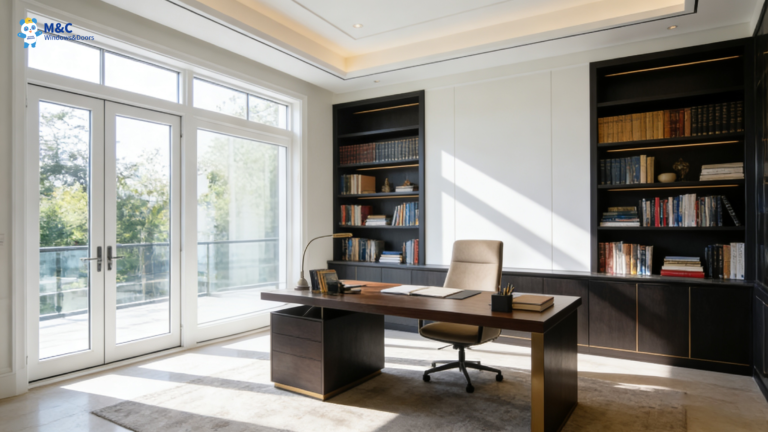
Sydney High-Rise Apartment Projects: Which AS2047-Certified Window & Door Manufacturers Are Best Suited for Australian Builders?
Sydney’s skyline continues to evolve, with high-rise apartment projects becoming a defining feature of urban…

What Makes a House Heritage Listed in Australia? A Complete Guide for Homeowners and Builders
Australia is home to thousands of beautiful houses that reflect the country’s architectural evolution over…
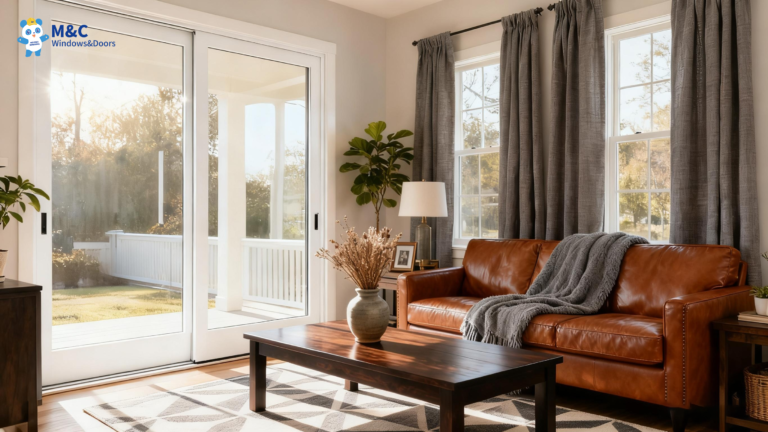
Factory-direct to Australia Sydney : Which Chinese AS2047 – Certified Window & Door Source Factories Are Trustworthy?
Sourcing windows and doors directly from China is increasingly popular among Australian builders, developers and…