How to Choose Glass for Coastal Homes in Australia?
admin
Author
2026-07-08
Published
3 min read
Reading time
Choosing glass for coastal homes in Australia requires considering salt exposure, strong sunlight, wind conditions, energy efficiency and safety requirements. Popular options include double glazing, Low-E glass, laminated glass and high-performance safety glazing combined with durable aluminium window systems. The right choice depends on the home’s location, orientation and environmental conditions.
Introduction
Living near the Australian coastline offers many benefits:
- Ocean views
- Natural light
- Outdoor lifestyle
- Increased connection with nature
However, coastal environments also create unique challenges for windows and doors.
Homes near the ocean are exposed to:
- Salt air
- Strong UV radiation
- Wind pressure
- Temperature changes
- Higher humidity
Because windows and doors are part of the building envelope, selecting the correct glass specification is essential for long-term performance.
Why Coastal Homes Need Special Glass Consideration
Coastal environments are different from inland locations.
A window system near the ocean needs to balance:
- Safety
- Weather performance
- Thermal comfort
- Noise control
- Durability
Glass selection should not be based only on appearance.
A high-quality coastal window solution considers:
- Glass type
- Coatings
- Thickness
- Insulation performance
- Aluminium frame design
Key Factors When Choosing Coastal Window Glass
1. Salt Air Exposure
Salt particles carried by coastal winds can affect building materials over time.
For coastal homes, consider:
- High-quality aluminium frames
- Suitable surface finishes
- Correct installation
- Durable glazing systems
Glass itself is generally resistant to salt exposure, but the complete window system must be designed for coastal conditions.
2. Strong Australian UV Exposure
Australia experiences high levels of sunlight throughout the year.
Excessive solar heat can cause:
- Indoor temperature increases
- Furniture fading
- Higher cooling costs
For coastal homes with large glass areas, consider:
Low-E Glass
Low-E (low emissivity) coatings help control heat transfer.
Benefits:
- Improved energy efficiency
- Reduced solar heat gain
- Better indoor comfort
3. Wind Conditions
Many coastal areas experience stronger wind conditions.
Examples:
- Beachfront properties
- Elevated coastal locations
- Open exposure sites
Window glass selection should consider:
- Glass strength
- Window size
- Wind pressure requirements
This is especially important for:
- Large fixed windows
- Sliding doors
- Floor-to-ceiling glazing
4. Noise From Coastal Locations
Coastal homes may still experience external noise from:
- Roads
- Restaurants
- Tourism areas
- Nearby developments
For improved acoustic performance, homeowners may consider:
Laminated Glass
Advantages:
- Better sound reduction
- Improved safety
- Additional security performance
Popular Glass Options for Coastal Homes
Option 1: Double Glazing
Double glazing uses two glass panels separated by an insulating cavity.
Benefits:
✔ Improved thermal performance
✔ Better energy efficiency
✔ Reduced external noise
✔ Increased indoor comfort
Ideal for:
- Luxury coastal homes
- Large glazed areas
- Energy-efficient projects
Option 2: Low-E Double Glazing
Combining Low-E coating with double glazing provides enhanced performance.
Benefits:
- Reduces heat transfer
- Helps maintain indoor temperature
- Improves energy efficiency
Suitable for:
- North-facing glazing
- Large windows
- Modern architectural homes
Option 3: Laminated Glass
Laminated glass is often selected for coastal properties requiring:
- Improved safety
- Better acoustic performance
- Additional security
Common applications:
- Entry doors
- Large windows
- Premium residential projects
Option 4: Toughened Safety Glass
Toughened glass remains one of the most common choices for residential glazing.
Benefits:
- High strength
- Safety break pattern
- Suitable for large openings
Common applications:
- Aluminium sliding doors
- Patio doors
- Large fixed windows
Glass Selection for Different Coastal Applications
| Application | Recommended Considerations |
|---|---|
| Beachfront home | Laminated glass, double glazing, durable aluminium system |
| Ocean-view windows | Low-E glass, large panel performance |
| Sliding doors | Safety glass, toughened or laminated options |
| Noise-sensitive locations | Laminated glass |
| Energy-efficient homes | Double glazing with Low-E coating |
Coastal Glass and AS1288 Requirements
All coastal glazing projects should also consider:
AS 1288
AS1288 helps determine:
- Safety glazing requirements
- Appropriate glass selection
- Installation requirements
Coastal location does not replace safety requirements.
A beautiful ocean-view window must still meet Australian glazing safety expectations.
Coastal Glass and AS2047 Performance
Glass selection is only one part of a coastal window system.
External windows and doors should also consider:
AS 2047
AS2047 relates to:
- Air infiltration
- Water penetration
- Structural performance
For coastal homes, both glass selection and window system performance are important.
Common Mistakes When Choosing Coastal Glass
Mistake 1:
Choosing the largest glass without considering performance.
Large glass areas require proper engineering.
Mistake 2:
Ignoring window orientation.
North and west-facing windows may experience higher solar exposure.
Mistake 3:
Selecting based only on price.
Lower-cost glazing may not provide the required comfort and durability.
Mistake 4:
Ignoring installation quality.
Even high-performance glass can underperform if installed incorrectly.
How MEICHEN Windows & Doors Supports Coastal Projects
MEICHEN Windows & Doors provides aluminium window and door solutions for Australian residential and architectural projects.
For coastal applications, our solutions focus on:
- Aluminium system durability
- Suitable glazing options
- Australian project requirements
- Large architectural openings
- Performance-driven design
Our product range includes solutions suitable for:
- Coastal residences
- Luxury homes
- Architectural developments
- Builder projects
Frequently Asked Questions
What is the best glass for coastal homes in Australia?
The best glass depends on location and project requirements. Double glazing, Low-E glass and laminated glass are common choices for high-performance coastal homes.
Is laminated glass better for coastal areas?
Laminated glass can provide benefits such as improved acoustic performance and safety, making it suitable for many coastal applications.
Do coastal homes need double glazing?
Double glazing is not required for every coastal home, but it can improve comfort, energy efficiency and noise control.
Does salt air damage window glass?
Salt air mainly affects the overall window system, including frames, hardware and seals. Proper material selection and maintenance are important.
What glass reduces heat in Australian homes?
Low-E glass and double glazing can help reduce solar heat gain and improve thermal comfort.
Related Articles
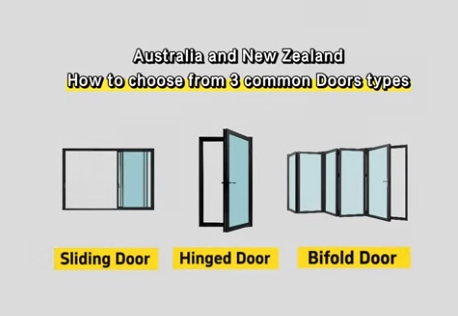
20 seconds to tell you how to choose from 3 commonly used door types in Australia and New Zealand.
Are you feeling unsure about which type of door best suits your space? 🤔Wondering which…
Balcony Enclosures and Outdoor Rooms: Glass Balustrades, Weather Protection and NCC Compliance for Australian Projects
Australian homeowners and developers increasingly seek to maximise usable floor area by enclosing balconies and…
Why Developers Choose AS2047-Focused Window Suppliers for Apartment Projects
Apartment projects are very different from single-house builds. The scale is larger. The procurement process…