Fixed Windows Australia: Benefits, Design Uses and Glazing Options for Modern Homes
admin
Author
2026-06-25
Published
5 min read
Reading time
In modern Australian architecture, fixed windows are one of the most effective ways to maximise natural light, frame outdoor views, and create a clean, contemporary façade.
Unlike operable windows, fixed windows do not open. Instead, they are designed to deliver light, visibility, and architectural impact without the need for ventilation hardware or moving sash components. That makes them especially popular in luxury homes, custom builds, duplexes, townhouses, and commercial projects where larger glass areas are a design priority.
But fixed windows are not simply “non-opening windows.” Their value depends on the frame system, glass selection, location, and how they integrate with the rest of the window and door package.
This guide explains why fixed aluminium windows in Australia are so widely used, where they work best, and what builders and homeowners should consider before specifying them.
What Is a Fixed Window?
A fixed window is a non-operable glazed window panel designed primarily to provide:
- natural light
- uninterrupted views
- façade consistency
- architectural balance
- additional glazing area in combination with operable windows
Because a fixed window does not need hinges, rollers, or winders, it can often be used to create larger, cleaner glass openings than many operable window types.
Fixed windows are commonly used on their own, but they are also frequently paired with:
- awning windows
- casement windows
- sliding windows
- sliding doors
- louvre windows in ventilated layouts
Why Fixed Windows Are Popular in Australia
Australian residential design increasingly favours homes that feel open, bright, and connected to outdoor spaces. Fixed windows support that design approach exceptionally well.
1. They maximise natural light
One of the biggest advantages of a fixed window is its ability to bring more daylight into the home. Because there is no need for an operable sash, the visible glass area can often be increased, making fixed windows ideal for:
- living rooms
- stairwells
- voids
- hallways
- entry features
- rear elevations facing gardens or pools
2. They create uninterrupted views
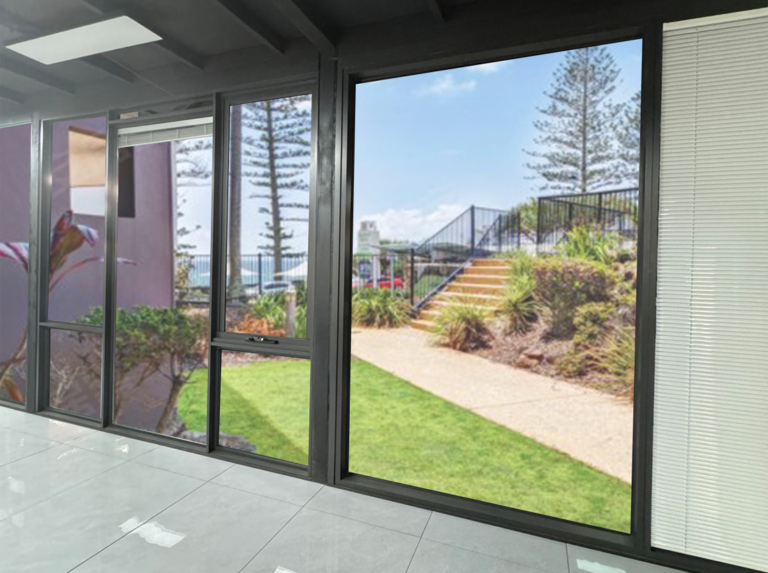
In homes with landscaped gardens, coastal outlooks, bushland views, or urban skylines, fixed windows are often chosen because they reduce visual interruption and help frame the outside environment.
3. They work well in combination with operable windows
Not every glazed opening needs to open. In many projects, the best solution is a combination system—for example:
- a large fixed panel for views
- a smaller awning section for ventilation
- a fixed highlight window above a sliding door
- fixed stairwell glazing paired with an operable window elsewhere in the room
4. They suit contemporary architectural design
Fixed windows are a natural fit for homes that prioritise:
- clean lines
- slim aluminium framing
- symmetry
- larger glazing panels
- a minimalist exterior appearance
Where Fixed Windows Work Best
Fixed windows are extremely versatile, but they are especially effective in the following areas.
Living rooms and open-plan spaces
Large fixed windows can make a living area feel brighter and more spacious while connecting the interior to the outdoors.
Stairwells and voids
These spaces often benefit from natural light but do not always need ventilation at the glazing point. Fixed windows are ideal here.
Entry features
A large fixed window near the front entry can add architectural presence and increase daylight in hallways or foyer spaces.
High-level glazing
In areas where access is limited or opening is unnecessary, fixed windows can provide light without requiring operable hardware.
View-facing elevations
Where the goal is to frame a view rather than create ventilation, fixed windows are often the best solution.
Why Aluminium Fixed Windows Are a Strong Choice in Australia
While fixed windows can be made from different frame materials, aluminium fixed windows remain one of the most common choices in Australia because they offer a balance of durability, low maintenance, and modern aesthetics.
Durable and low maintenance
Aluminium performs well in Australian residential and commercial applications and is widely used across a broad range of climates and building types.
Slim modern appearance
Aluminium frames can support clean contemporary designs and integrate well with matching awning, sliding, casement, and door systems.
Suitable for custom fabrication
Many Australian homes require non-standard glazing sizes, and aluminium systems are well suited to custom-made window packages.
The Most Important Decision: Glass Selection
With fixed windows, the frame matters—but the glass specification often matters even more.
Because fixed windows are commonly used in larger openings, the glass needs to be selected based on:
- opening size
- orientation
- solar exposure
- thermal comfort goals
- acoustic performance needs
- safety requirements where applicable
Depending on the project, builders may consider:
- Low-E glass
- double glazing
- laminated glass
- insulated glass units
- safety glazing where required
For homes with west-facing elevations, exposed living areas, or large glazing expanses, the glass selection can make a significant difference to comfort and performance.
Fixed Windows and Energy Efficiency
Fixed windows can play a major role in an energy-efficient home—but they can help or hurt, depending on how they are specified.
A well-placed fixed window with the right glass can:
- bring in natural light
- reduce reliance on artificial lighting
- improve the sense of space
- support passive solar design when oriented correctly
However, large glass areas without appropriate glazing can also contribute to unwanted heat gain or heat loss. That is why fixed windows should be specified as part of the overall building envelope strategy, not treated as a purely visual feature.
What Builders Should Check Before Specifying Fixed Windows
1. How large is the glazed opening?
Larger openings may require more careful glass selection, framing considerations, and structural planning.
2. Is the window in a high-solar-load location?
West-facing and exposed elevations may benefit from upgraded glazing.
3. Does the room also need ventilation?
If so, consider combining the fixed window with an operable window type such as an awning or casement window.
4. Is safety glazing required?
Depending on the location and size, some glazing areas may require safety glass under Australian glass selection rules.
5. Does the fixed window match the rest of the package?
A coordinated system is often preferable for visual consistency and easier procurement.
Common Mistakes to Avoid
Treating fixed windows as “simple glass panels”
A fixed window still needs to be properly specified as part of a tested aluminium window system.
Ignoring orientation and glazing performance
Large fixed windows can look impressive but create comfort issues if the wrong glass is selected.
Forgetting about ventilation strategy
If a room relies only on fixed windows, there must be another ventilation solution elsewhere.
Choosing based only on appearance
The best fixed window balances aesthetics, glazing performance, and suitability for the room.
Conclusion
Fixed windows are one of the most powerful design tools in modern Australian homes. They can bring in more daylight, capture better views, and create a cleaner architectural look than many operable window types.
For the best outcome, fixed windows should be selected not just for appearance, but as part of a complete aluminium window and glazing strategy that considers comfort, compliance, room use, and long-term performance.
FAQs About Fixed Windows in Australia
What is a fixed window?
A fixed window is a non-opening glazed window designed primarily for natural light, views, and architectural appearance.
Are fixed windows good for modern homes?
Yes. They are widely used in modern Australian homes because they allow large glazing areas and clean, uninterrupted sightlines.
Can fixed windows be double glazed?
Yes. Many fixed aluminium window systems can be specified with double glazing, Low-E glass, and other performance upgrades.
Are fixed windows energy efficient?
They can be, especially when the glazing is selected carefully based on orientation, climate, and thermal goals.
Can fixed windows be combined with opening windows?
Yes. Fixed windows are often paired with awning, casement, or sliding windows to combine views with ventilation.
Related Articles
Aluminium Windows and Doors Adelaide: Enhance Your Home’s Comfort and Efficiency
For Adelaide homeowners seeking durability, style, and energy efficiency, aluminium windows and doors Adelaide are…
Aluminum Fixed Windows: A Smart Choice for Modern Homes in Australia and New Zealand
Discover the benefits of aluminum Fixed Windows for enhancing natural light and energy efficiency in…
Door & Window Surround Systems: Coordinating Openings Across an Australian Building
Walk around any completed Australian building and the openings tell you almost everything about how…