Choosing the Right Aluminium Sliding Doors for Luxury Homes in Australia
admin
Author
2026-06-24
Published
5 min read
Reading time
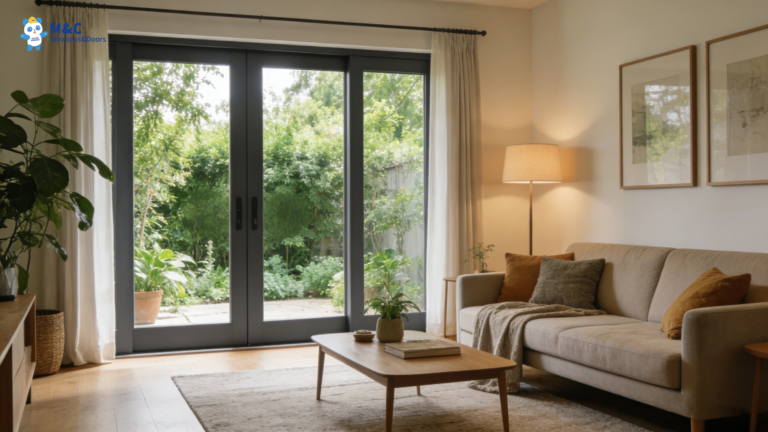
In high-end Australian residential design, sliding doors are no longer treated as a purely functional opening. They are now a major architectural feature — one that shapes how a home connects to the landscape, how natural light enters the interior, and how indoor and outdoor living zones feel in daily use.
For luxury homes in Sydney, Melbourne, Brisbane, Perth, Adelaide, the Gold Coast, and beyond, aluminium sliding doors are often expected to do several jobs at once. They need to frame views, support large glass panels, look refined from both inside and outside, operate smoothly, and still meet practical performance requirements for security, weather resistance, and long-term durability.
That is why choosing the right aluminium sliding door system is not simply a matter of selecting the biggest panel or the slimmest frame. It requires a balance of design intent, structural performance, hardware quality, glazing specification, and project-specific detailing.
Why Sliding Doors Are So Important in Luxury Australian Homes
Luxury homes in Australia are increasingly designed around openness, natural light, and seamless indoor-outdoor living. Sliding doors support that design direction particularly well because they allow large openings without the swing clearance required by hinged systems.
In the right application, a well-designed sliding door can:
- open a living room to a pool terrace or alfresco zone
- create uninterrupted sightlines to water, landscape, or skyline views
- increase natural daylight without visually cluttering the façade
- deliver a clean, contemporary aesthetic with minimal framing
- improve day-to-day usability in entertaining spaces
This is why sliding doors are often one of the most visible and heavily used elements in a premium home.
What Luxury Homeowners and Builders Usually Want from a Sliding Door
While every project is different, most luxury residential sliding door briefs in Australia share a similar set of priorities.
1. Slim sightlines
Architects and homeowners typically want as much glass and as little visible frame as possible. Slim profiles create a more contemporary look and help preserve views.
2. Large opening capacity
Premium homes often include wide openings between internal living areas and outdoor entertaining spaces. That means the sliding system must be able to accommodate larger panels and wider spans without compromising operation.
3. Smooth operation
A large door can still feel premium if it glides effortlessly. Poor rollers, weak hardware, or inadequate panel support quickly undermine the user experience.
4. Strong weather performance
Luxury homes are often built in exposed locations — coastal suburbs, elevated sites, or large open blocks. Sliding doors must still perform under wind, rain, and temperature changes.
5. High-spec glazing and thermal comfort
Large glass doors affect internal comfort. Glazing selection, frame design, and sealing all play a role in reducing unwanted heat gain, improving winter comfort, and managing acoustic performance.
Key Factors to Consider When Choosing an Aluminium Sliding Door System
1. The size and purpose of the opening
Start with the architectural function of the door. Is it the main living room opening? A bedroom balcony slider? A side courtyard connection? A statement opening to a view?
A large family living area opening may justify a heavier-duty commercial-style sliding system, while a secondary bedroom opening may not need the same level of structural capacity.
2. Standard sliding door or ultra slim sliding door?
One of the biggest decisions in premium residential work is whether to use a more conventional aluminium sliding system or move into an ultra slim format.
Ultra slim sliding doors can deliver a very refined aesthetic and maximise glass area, making them attractive for luxury homes with view-driven design. However, they should still be selected with performance, glazing, and project suitability in mind — not purely for appearance.
3. Glazing specification
For large sliding doors, glazing is never a minor detail. Depending on the location and design goals, the project may benefit from:
- double glazing
- Low-E glass
- laminated glass
- insulated glass units
- glass selected for solar control, privacy, or acoustic performance
The right glazing strategy depends on climate, orientation, and how the space is used.
4. Threshold and sill design
Luxury homes often aim for a clean floor transition between inside and outside. That makes sill design especially important. Builders need to balance aesthetics and accessibility with drainage, weather resistance, and structural practicality.
A beautiful flush threshold is only successful if it is properly integrated into the waterproofing and site conditions.
5. Hardware quality and long-term usability
Premium sliding doors are used constantly. Hardware quality directly affects how the door feels after six months, two years, or five years of use. Rollers, locking systems, track durability, and handle quality all deserve attention during specification.
6. Compliance and engineering suitability
The larger and more exposed the opening, the more important it is to ensure the system is appropriate for the project conditions. Builders should consider wind exposure, panel weight, glazing thickness, and the compliance pathway of the chosen system.
Sliding Door Types Often Used in Australian Luxury Homes
Different homes call for different sliding door solutions. Some of the most common categories include:
Standard residential sliding doors
Suitable for many everyday openings where the priority is practicality, clean appearance, and space efficiency.
Large-format sliding doors
Better suited to wide living area openings and projects where larger panel sizes are required.
Stacking sliding doors
Useful where a broader opening is needed without moving to a bifold system.
Ultra slim sliding doors
Often specified in architect-designed homes where visual minimalism, expansive glass, and premium aesthetics are central to the brief.
Why Sliding Door Specification Should Start Early
One of the most common mistakes in high-end residential projects is leaving the window and door package too late. Sliding doors affect:
- structural opening sizes
- floor transitions and thresholds
- glazing loads
- waterproofing details
- external paving relationships
- shading strategy
- interior sightlines and furniture planning
When these issues are addressed early, the final result is usually cleaner and more cost-effective. When they are addressed late, builders often end up redesigning details around a product that should have been considered much earlier.
How M&C Windows & Doors Supports Sliding Door Projects in Australia
M&C Windows & Doors supplies a broad range of aluminium sliding door systems for Australian and New Zealand projects, including standard sliding doors, large-format systems, and slim-vision sliding door options presented on its website. The company also positions its product range around custom-made aluminium windows and doors for residential, commercial, and multi-residential applications, with references to Australian-standard compliance and testing frameworks such as AS2047, AS4284, AS1288, AS/NZS 2208, and AS/NZS 4666.
For luxury residential builders, this matters because the right sliding door supplier should do more than provide catalogue dimensions. They should be able to help assess the opening type, glazing strategy, frame selection, and project-specific design priorities so that the finished system performs as well as it looks.
Final Thoughts
In Australian luxury homes, aluminium sliding doors do far more than provide access. They shape the way a home feels, how it connects to the outdoors, and how successfully the architecture delivers light, openness, and view.
The best sliding door is not necessarily the slimmest, the largest, or the most expensive. It is the one that fits the project: structurally, visually, and practically. That means choosing a system with the right balance of profile design, glazing compatibility, weather performance, hardware quality, and long-term usability.
For builders, developers, and architects working on premium homes, sliding door specification should be treated as a design decision and a performance decision at the same time. When done well, it can elevate the entire home.
Related Articles
Why Builders Prefer M&C Windows & Doors: Key Window System Advantages for the Australian Market
In Australia’s residential and commercial construction market, builders face increasing demands for compliance, performance, and…
Optimal Airflow with Modern Design,Auckland Aluminium Louver Windows
The aluminium frames add to their durability, making them suitable for Auckland’s variable weather conditions,…
Aluminium Fixed Windows Australia: Benefits, Uses and Design Guide
Aluminium fixed windows are non-opening windows designed to provide maximum glass area, natural light and…